Jewelry Tools & Equipment
Source professional-grade jewelry tools & equipment from vetted manufacturers and wholesale suppliers. Designed for importers, distributors, and brands seeking reliable bulk purchasing or OEM production, our network delivers precision instruments and heavy-duty machinery to meet rigorous industry standards.
Sourcing jewelry tools and equipment at scale requires balancing precision engineering with unit economics. Whether you are importing hand instruments or heavy-duty bench machinery, factory selection dictates the reliability, accuracy, and safety of the final product. For professional buyers, the primary challenge lies in verifying metallurgical consistency in hand tools and electrical compliance in motorized equipment before committing to bulk production.
Material Specifications and Machining Tolerances
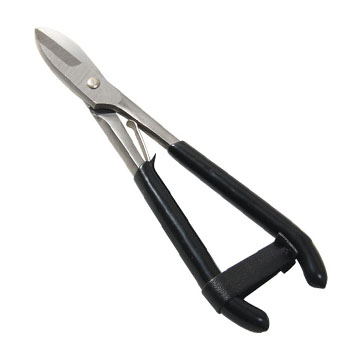
The durability of jewelry making tools depends entirely on the raw materials used and the heat treatment processes applied at the factory level. Suppliers often cut costs by utilizing lower-grade steel or skipping essential tempering steps, resulting in jaws that deform, cutters that dull quickly, or anvils that dent under standard impact.
When negotiating specifications with a manufacturer, clearly define the steel grades required for your target market.
| Market Tier | Typical Material | Hardness (HRC) | Primary Application |
|---|---|---|---|
| Economy / Hobby | Carbon Steel (CS) | 40-45 | Light wire wrapping, basic repairs |
| Professional | Chrome Vanadium (CR-V) | 50-55 | Daily bench work, stone setting |
| Industrial / Premium | High-Carbon Tool Steel | 58-62 | Heavy fabrication, precision cutting |
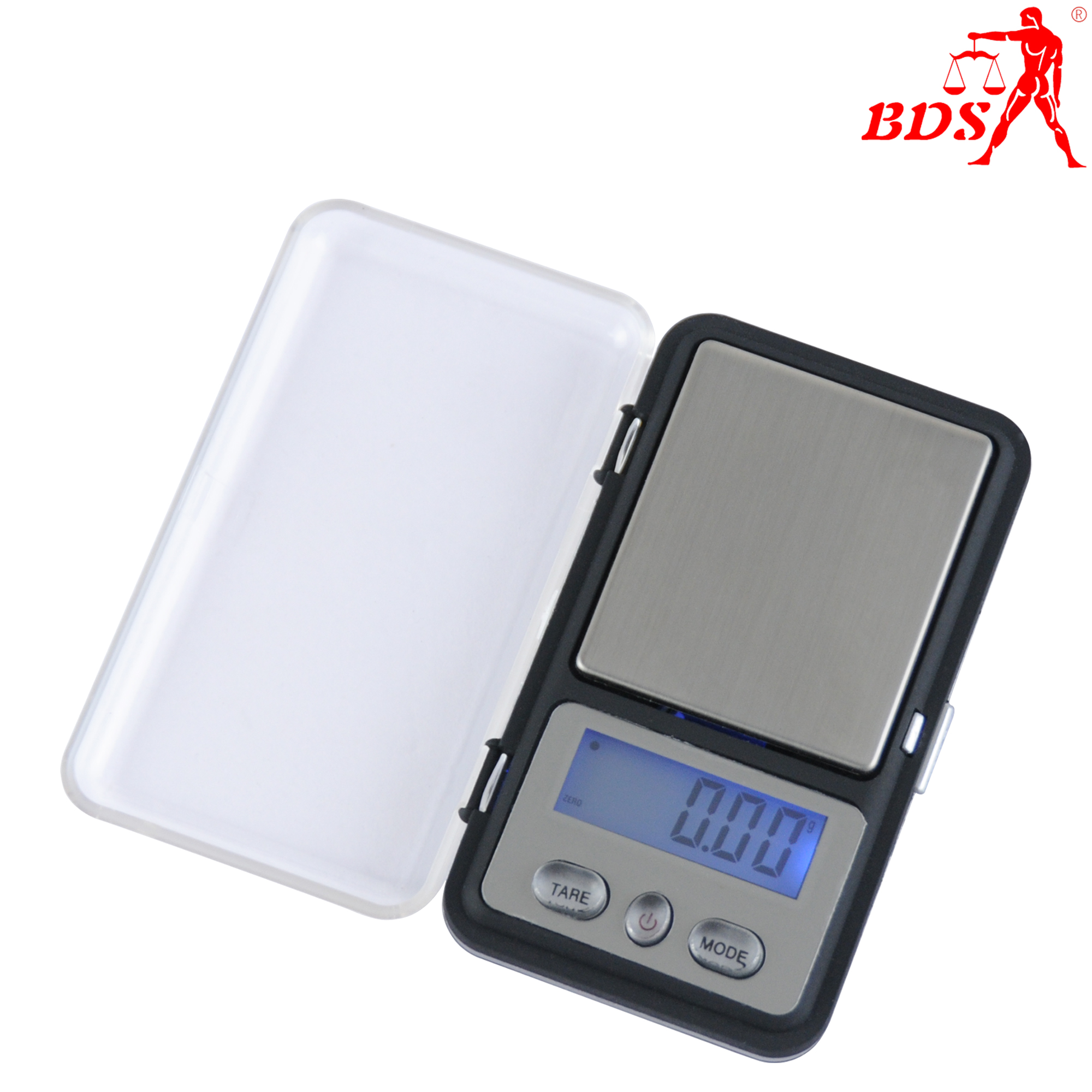
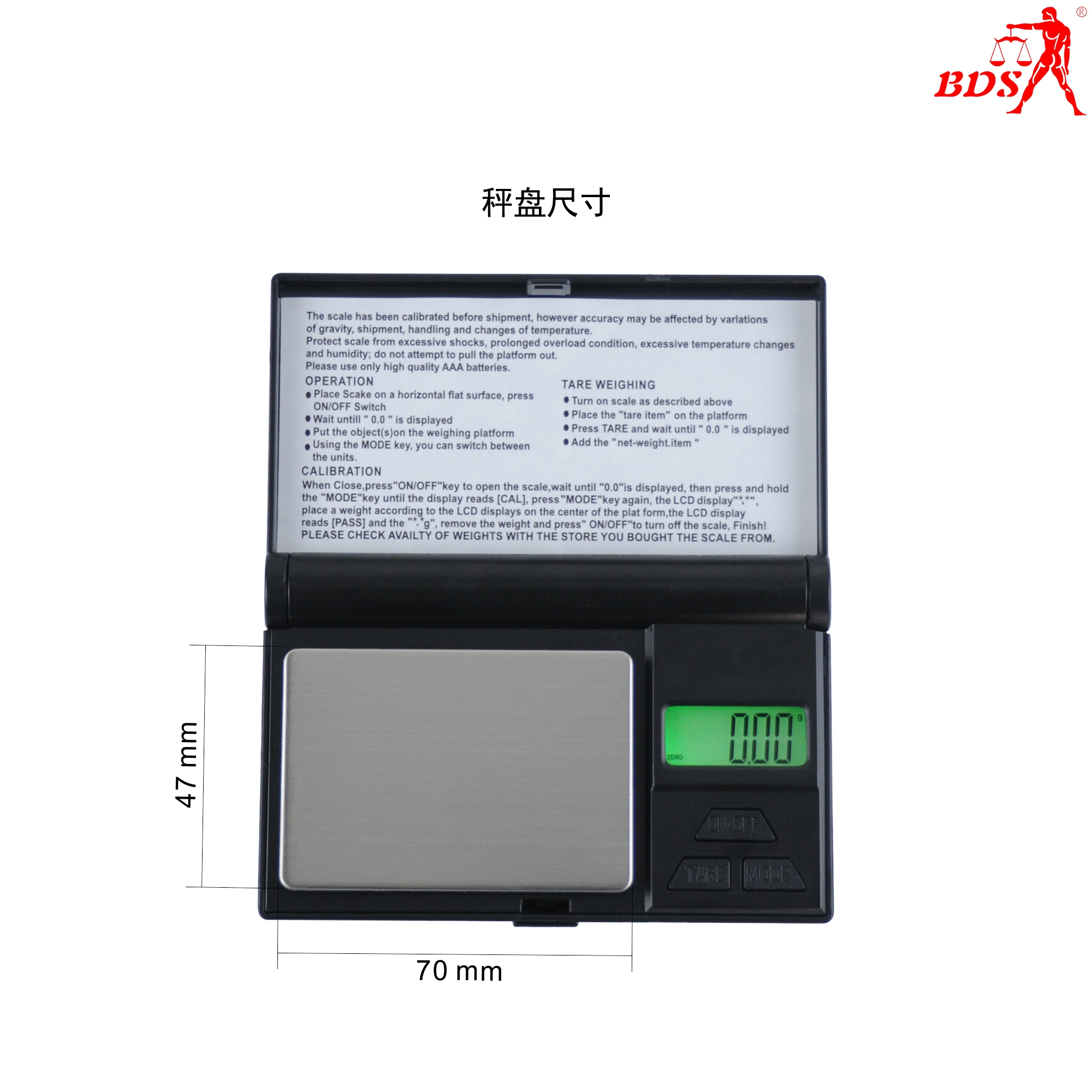
For measuring instruments like digital calipers or micrometers, specify the required accuracy (e.g., tolerances under 0.01mm) and ensure the factory uses hardened stainless steel rather than composite plastics, which warp over time.
Machinery Compliance and Motor Reliability
Motorized equipment—such as rolling mills, flex shafts, magnetic tumblers, and ultrasonic cleaners—introduces electrical and mechanical complexities. A common failure point in imported machinery is the use of brushed motors with low-grade copper windings that overheat during continuous bench use.
Specify brushless motors for high-torque applications and ensure the factory uses heavy-duty cast iron or reinforced aluminum housings rather than stamped sheet metal, which vibrates excessively and compromises precision.
Electrical Certifications
Never assume a supplier's electrical certifications cover your specific market. A factory may hold CE marks for 220V/50Hz models but lack UL/ETL certification for 110V/60Hz units destined for North America. Always request the test reports for the exact SKU and voltage configuration you are purchasing.
To mitigate these risks, implementing rigorous Compliance & Testing protocols during the pre-production phase is essential to avoid customs seizures or liability issues.
Factory-Level Quality Control
A thorough QC protocol must go beyond visual inspection. Jewelry tools require functional testing under load. Conducting comprehensive Factory Audits prior to placing an order allows you to verify that the supplier has the necessary CNC machinery and testing equipment in-house, rather than outsourcing critical components to unverified sub-tier workshops.
Critical QC Checkpoints for Jewelry Tools
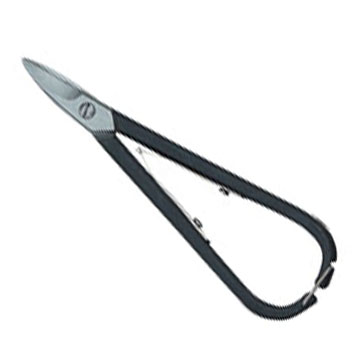
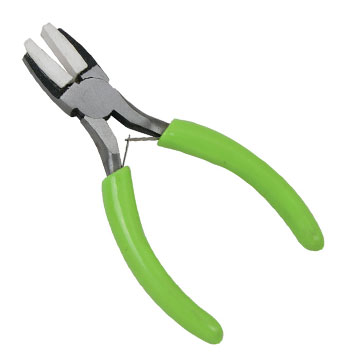
- Jaw Alignment: Pliers and cutters must meet flush with zero light leakage when closed.
- Heat Treatment Verification: Hardness testing (Rockwell scale) on cutting edges and striking faces.
- Runout Tolerance: Spindles on flex shafts and micromotors must have runout under 0.05mm to prevent burr chatter.
- Electrical Safety: Hi-Pot testing and ground continuity checks on all motorized equipment.
- Plating Quality: Salt spray testing on nickel or chrome-plated tools to ensure corrosion resistance.
If managing these technical inspections across multiple suppliers strains your procurement team, integrating professional Quality Control & Inspection services ensures defects are caught on the factory floor, not in your warehouse.
Struggling with inconsistent tool quality from overseas suppliers? Let our engineers handle factory vetting and pre-shipment inspections.
Talk to our teamProduction Realities: MOQ, Lead Times, and OEM
Understanding standard production parameters helps in planning inventory and cash flow. Hand tools generally require higher Minimum Order Quantities (MOQs) due to batch heat treatment processes, while machinery can often be ordered in smaller quantities.
If you are developing a private label line, OEM/ODM Services can facilitate custom handle grips, laser-etched logos, and bespoke packaging. Be aware that custom molding for ergonomic handles will incur tooling costs and extend initial lead times.
Ready to scale your private-label jewelry tool brand? We manage the entire OEM process from factory negotiation to final delivery.
Get a free consultationFrequently Asked Questions
Successfully importing jewelry tools and equipment requires looking past the polished surface of a supplier's catalog. By enforcing strict metallurgical standards, demanding verifiable electrical compliance, and implementing robust on-site inspections, buyers can secure reliable, professional-grade products that protect their brand's reputation in a demanding industry.
Get Sourcing Help for Jewelry Tools & Equipment
Tell us your requirements and our experts will connect you with verified manufacturers.