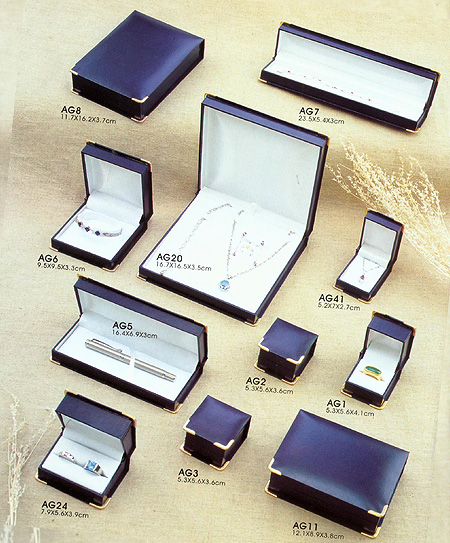
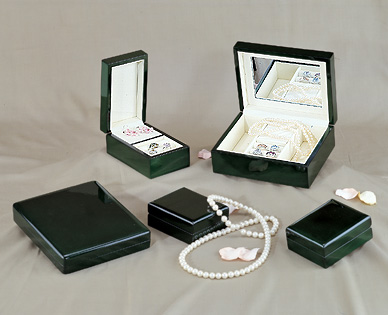
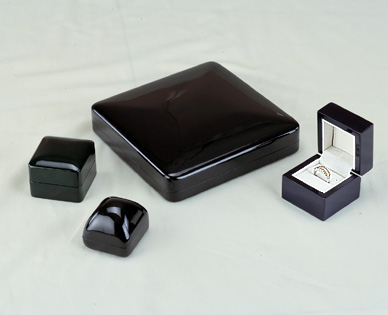
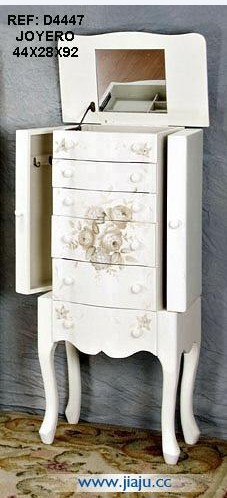
Jewelry Boxes
Source high-quality jewelry boxes directly from vetted manufacturers and suppliers in China and Asia. Designed for importers, wholesalers, and brands looking for reliable OEM and private-label production, our network delivers scalable, consistent packaging solutions for volume buyers.
Sourcing jewelry packaging in volume requires balancing perceived value with strict cost and weight constraints. The core sourcing challenge is maintaining consistent finish quality—ensuring clean corners, flawless hinges, and precision logo alignment—across production runs of tens of thousands of units, while managing the logistical realities of shipping volumetric freight.
Core Specifications and Material Selection
The structural integrity and tactile feel of a jewelry box depend on the interaction between the rigid core, the exterior wrap, and the interior insert. Buyers must specify each layer precisely to avoid bait-and-switch tactics on the factory floor.
| Core Material | Typical Application | Tooling / Setup | Unit Cost (at scale) |
|---|---|---|---|
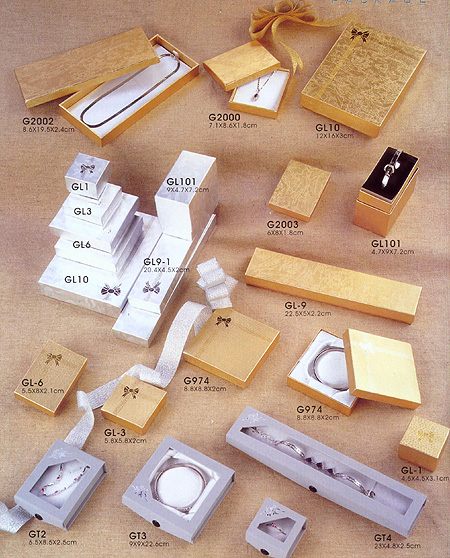
| Plastic Core (ABS/PS) | High-volume standard ring/earring boxes | High (Injection mold required for custom shapes) | Low |
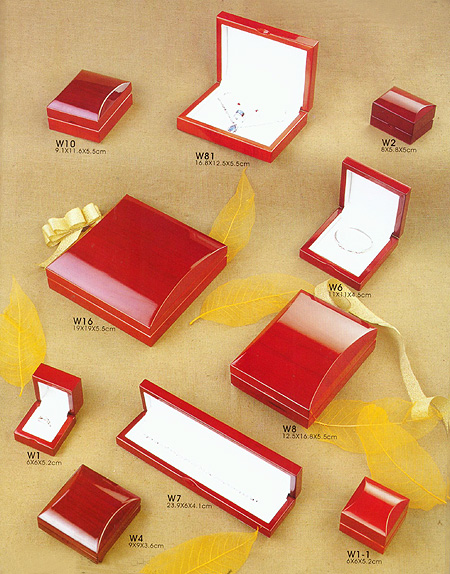
| MDF / Wood | Premium watches, high-end bridal jewelry | Low (CNC cutting, minimal tooling) | High |
| Rigid Paperboard | Eco-friendly branding, flat-pack designs | Low to Medium (Die-cutting templates) | Medium |
Exterior Wraps and Adhesives
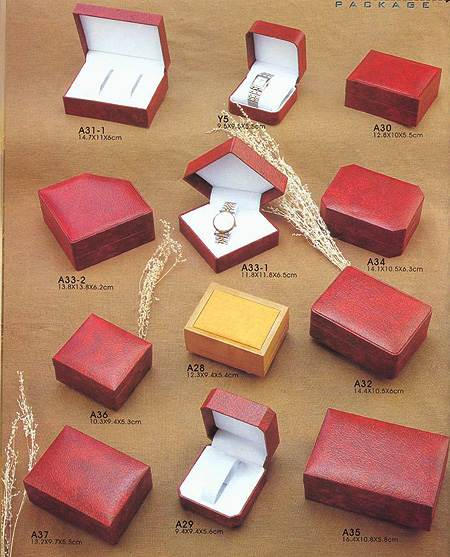
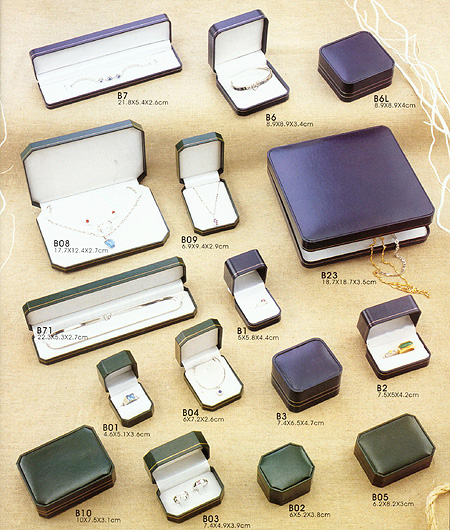
The exterior wrap dictates the visual appeal. Common options include PU leather, velvet, satin, and specialty textured paper. When specifying wraps, you must also mandate the type of adhesive used. Cheap, sulfur-heavy glues will off-gas over time, causing sterling silver jewelry to tarnish before it even reaches the end consumer. Always specify sulfur-free adhesives and anti-tarnish flocking for inserts.
Need help identifying the right manufacturer and material specifications for your custom packaging?
Talk to our teamManufacturing Tolerances and Quality Control
Jewelry box manufacturing, particularly for MDF and rigid paperboard, relies heavily on manual labor for wrapping and gluing. This introduces significant variability. Implementing strict Quality Control & Inspection protocols during production is critical to catch defects before the goods are containerized.
Critical QC Checkpoints for Jewelry Boxes
- Glue Seepage: Inspect corners and seams for visible adhesive residue, especially on velvet and dark PU leather.
- Hinge Alignment: Test spring hinges for smooth operation; the lid must close perfectly flush with zero lateral play.
- Logo Placement Tolerance: Measure foil stamping or debossing alignment; standard acceptable tolerance is +/- 1mm.
- Hardware Finish: Ensure clasps and hinges have passed a 48-hour salt spray test to prevent premature rusting.
- Insert Fit: Verify that EVA or sponge inserts sit flush without buckling and that die-cuts match the specified jewelry dimensions.
Customization and OEM Production
Brands executing private-label strategies require precise OEM/ODM Services to match packaging to their brand identity. The method of logo application impacts both cost and the required substrate:
- Hot Foil Stamping: Best on PU leather and smooth specialty papers. Requires a brass or zinc stamp.
- Debossing/Embossing: Ideal for thick PU leather; creates a premium, tactile finish.
- Silk Screen Printing: Cost-effective for flat paperboard surfaces, but less durable on heavily handled boxes.
When developing custom molds for plastic-core boxes, ensure the ownership of the injection mold is clearly defined in your manufacturing agreement.
Pricing, MOQs, and Lead Times
Packaging factories operate on tight margins and rely on volume. Minimum Order Quantities (MOQs) are dictated heavily by the core material and the degree of customization.
Looking for accurate pricing, factory vetting, and production timelines for your bulk packaging order?
Get a free consultationFrequently Asked Questions
Sourcing Insight
The true cost of jewelry boxes is rarely just the unit price—it is the landed cost after accounting for volumetric freight and the hidden costs of poor quality control. A misaligned hinge or tarnished ring damages the perceived value of the high-margin jewelry inside. Securing reliable packaging means auditing the factory's manual assembly lines and strictly controlling material inputs before production begins.
Get Sourcing Help for Jewelry Boxes
Tell us your requirements and our experts will connect you with verified manufacturers.