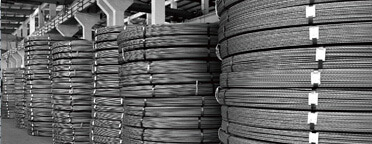
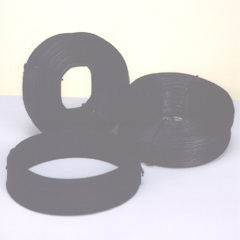
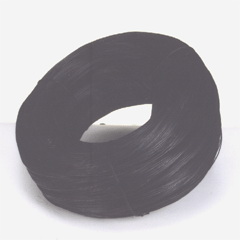
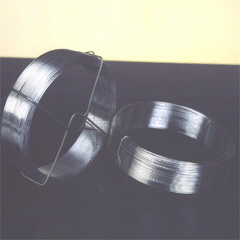
Iron Wire
Source commercial-grade Iron Wire directly from vetted suppliers and manufacturers across Asia. Designed for importers, industrial wholesalers, distributors, and brands requiring bulk purchasing or custom OEM production. Secure competitive wholesale pricing, strict gauge tolerances, and reliable surface treatments for construction and manufacturing applications.
Sourcing industrial iron wire at scale requires strict control over gauge tolerances, tensile strength, and surface treatments. Whether you are importing black annealed wire for agricultural baling or heavy-galvanized wire for security fencing, maintaining consistency across multi-ton shipments is the primary procurement challenge. Variations in the drawing or annealing process can lead to brittle wire, while inconsistent zinc baths cause premature rusting.
Defining Critical Specifications
When negotiating with iron wire manufacturers, vague specifications lead to rejected shipments. Professional buyers must dictate exact parameters rather than relying on standard factory defaults.
- Gauge and Diameter: Specify both the wire gauge (e.g., BWG or SWG) and the exact millimeter equivalent with acceptable tolerances (typically ±0.02mm to ±0.05mm depending on the diameter).
- Tensile Strength: Measure in Newtons per square millimeter (N/mm²). Soft annealed wire typically ranges from 300 to 500 N/mm², while high-tensile variants can exceed 1200 N/mm².
- Elongation: Crucial for tying and baling applications. Specify a minimum elongation percentage (often 10% to 15% for soft wire) to ensure it will not snap during twisting.
| Finish Type | Corrosion Resistance | Typical Applications | Cost Profile |
|---|---|---|---|
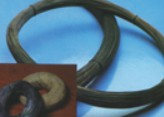
| Black Annealed | Low (Requires oil coating) | Baling, tying, rebar construction | Lowest |
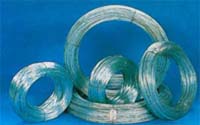
| Electro-Galvanized | Moderate (10 to 20g/m² zinc) | Mesh weaving, light indoor fencing | Medium |
| Hot-Dipped Galvanized | High (40 to 250g/m² zinc) | Outdoor fencing, gabions, agriculture | Highest |
Manufacturing Process and Quality Control
The quality of iron wire is won or lost during the drawing and thermal treatment phases. Wire rod is mechanically descaled and drawn through progressively smaller dies. If the drawing speed is too high or lubrication fails, the wire develops micro-fractures.
For galvanized wire, the acid pickling and zinc bath stages are critical. Poor cleaning prior to galvanization results in zinc flaking. To mitigate these risks, implementing strict Quality Control & Inspection protocols before the wire is coiled and wrapped is essential.
Pre-Shipment Inspection Checklist for Iron Wire
- Micrometer checks at multiple points per coil to verify diameter consistency.
- Tensile strength and elongation testing using a universal testing machine.
- Zinc coating weight verification (g/m²) via chemical stripping tests.
- Wrap testing to ensure the zinc coating does not crack or flake when bent.
- Visual inspection of coil wrapping (inner plastic, outer hessian or woven bag) to prevent transit rust.
Struggling with inconsistent wire gauge or poor zinc adhesion? Let us handle supplier vetting and on-site factory inspections to ensure your specifications are met on every order.
Talk to our teamMOQs, Pricing, and Lead Times
Iron wire is a high-volume, low-margin commodity heavily influenced by raw steel prices and energy costs (for annealing and galvanizing). Pricing is usually quoted per metric ton (MT).
Because freight makes up a significant portion of the landed cost for dense metals, optimizing your container loading and consolidating shipments is vital. Engaging a partner for Product Sourcing can help you secure factory-direct pricing while managing the complex logistics of heavy freight.
Need competitive pricing on bulk iron wire without compromising on tensile strength? Our sourcing teams negotiate directly with top-tier mills.
Get a free consultationFrequently Asked Questions
Sourcing with Certainty
Successfully importing iron wire requires more than finding the lowest price per ton. It demands rigorous verification of the mill's drawing equipment, thermal treatment capabilities, and environmental compliance. Conducting thorough Factory Audits ensures you partner with a manufacturer capable of delivering consistent metallurgical properties, shipment after shipment.
Get Sourcing Help for Iron Wire
Tell us your requirements and our experts will connect you with verified manufacturers.