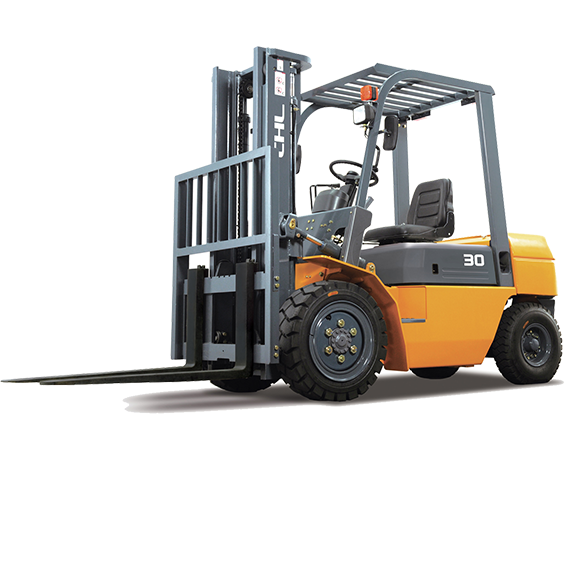
Internal Combustion Forklifts
Source Internal Combustion Forklifts directly from vetted manufacturers and wholesale suppliers. Designed for importers, heavy equipment distributors, and procurement teams, our network offers bulk pricing and OEM production. Ensure your fleet meets strict emission standards and operational demands with reliable factory-direct sourcing.
Sourcing internal combustion (IC) forklifts requires balancing heavy-duty performance requirements with strict regional emissions regulations and complex shipping logistics. For bulk buyers and fleet distributors, securing reliable units from Asian manufacturers means navigating a fragmented supply base where the quality of core components—engines, transmissions, and hydraulics—varies drastically between factories.
Engine Selection and Core Specifications
The heart of any IC forklift is its engine. Chinese manufacturers typically offer a choice between domestically produced engines (which keep costs low) and imported Japanese or American engines (which offer better international serviceability and emissions compliance).
| Fuel Type | Typical Capacity | Best Application | Common Engine Options |
|---|---|---|---|
| Diesel | 1.5 to 45+ Tons | Outdoor, rough terrain, heavy industrial | Isuzu, Yanmar, Cummins, Xinchai |
| LPG / Dual Fuel | 1.5 to 7 Tons | Indoor/outdoor mixed use, warehousing | Nissan, GM, PSI |
| Gasoline | 1.5 to 5 Tons | Light-duty outdoor, intermittent use | Nissan, GCT |
When defining specifications with a supplier, you must clearly outline the mast type (2-stage standard, 2-stage full free lift, or 3-stage triplex), maximum lift height, and required attachments (side shifters, fork positioners, or paper roll clamps).
Need help verifying supplier capabilities for heavy-duty material handling equipment?
Discuss your specificationsCritical Components and Manufacturing Quality
The difference between a tier-one manufacturer and a low-end assembler often lies in the integration of secondary components and the quality of the steel used in the mast. Conducting thorough Factory Audits is essential to verify that the supplier actually machines their own chassis and masts rather than simply bolting together purchased parts.
Key Component Verifications
- Hydraulic Systems: Verify the brand of hydraulic pumps and valves (e.g., Shimadzu or Eaton vs. generic local brands) to prevent seal leaks under heavy load.
- Transmission: Specify whether you require an automatic powershift transmission (common in modern units) or a manual setup, and confirm the manufacturer (e.g., Okamura).
- Mast Construction: Check the steel profile thickness and the quality of the mast rollers. Inferior steel leads to mast deflection at maximum lift heights.
- Cooling System: Ensure the radiator capacity is matched to the engine, especially for units destined for tropical or high-temperature environments.
Emissions Compliance and Certification
Importing IC forklifts into North America or Europe requires strict adherence to environmental regulations. A common sourcing pitfall is procuring units with domestic Chinese engines (like standard Xinchai models) that do not meet destination market requirements.
Emissions Standards Matter
If you are importing to the US, the engine must be EPA Tier 4 Final certified. For the EU, it must meet Stage V emissions standards. Always request the official engine emission certificates before placing an order.
Managing Compliance & Testing early in the procurement cycle prevents costly customs seizures or the inability to legally sell the equipment in your target market.
Pricing, MOQs, and Lead Times
Wholesale pricing for IC forklifts is highly dependent on the engine brand, load capacity, and mast configuration. Upgrading from a domestic engine to an imported Isuzu or Yanmar engine typically adds significant cost but drastically improves resale value and reliability.
Because forklifts are heavy, bulky items, logistics planning is a major part of the landed cost. Units under 3.5 tons can usually be driven directly into standard shipping containers. Larger tonnage forklifts often require the mast to be detached and packed separately, or they must be shipped via RoRo (Roll-on/Roll-off) vessels or flat rack containers. Coordinating with a specialized Shipping & Freight partner ensures these complex logistics are handled efficiently.
Optimize your heavy equipment shipping and container loading strategy.
Get a freight quoteBuyer FAQ
Successfully sourcing internal combustion forklifts requires looking past the spec sheet to verify component origins, emissions compliance, and manufacturer assembly standards. By strictly defining your engine and hydraulic requirements upfront, you protect your investment and ensure long-term reliability for your end-users.
Get Sourcing Help for Internal Combustion Forklifts
Tell us your requirements and our experts will connect you with verified manufacturers.