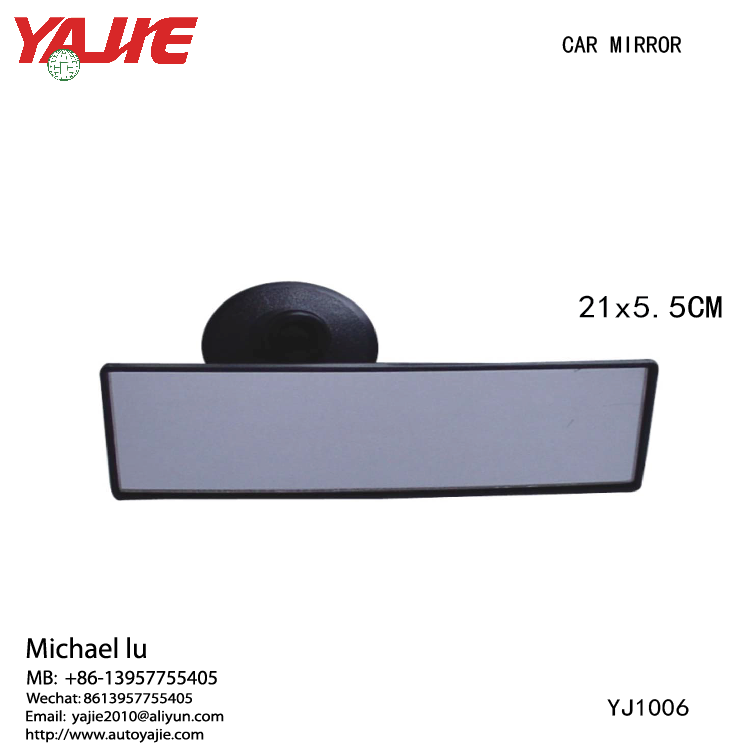
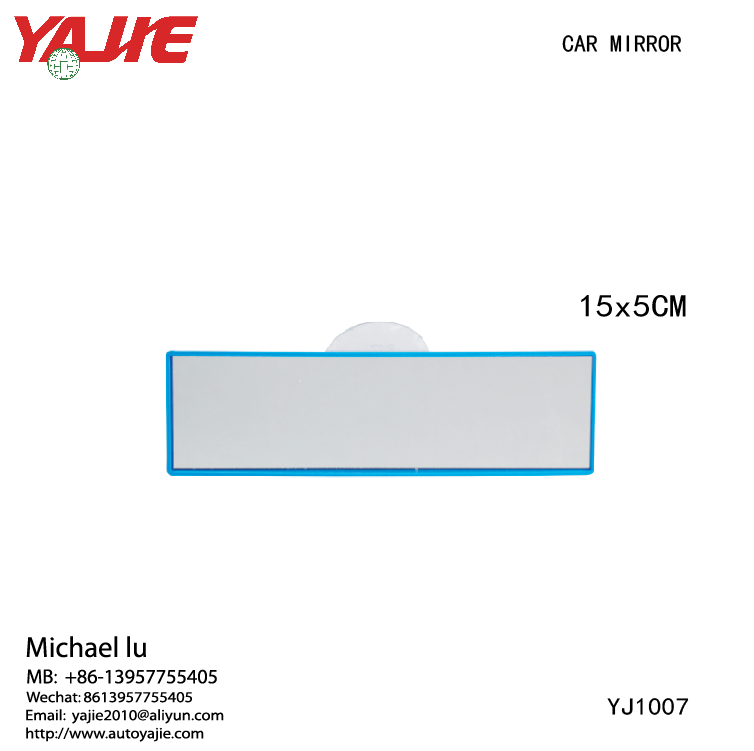
Interior Mirrors
Source bulk interior mirrors from vetted Chinese manufacturers and suppliers. Designed for automotive importers, wholesalers, distributors, and brands seeking OEM/private-label production. Whether you need standard prismatic rearview mirrors or advanced auto-dimming and smart display units, find reliable factory partners here.
Sourcing interior mirrors in volume requires balancing optical clarity, mechanical stability, and increasingly complex electronic integration. The automotive aftermarket and OEM supply chains have largely shifted from basic prismatic day/night mirrors to electrochromic (auto-dimming) and full-display smart mirrors. For volume buyers, this means vetting suppliers not just on plastic injection molding, but on PCB assembly, optical engineering, and vehicle-specific mounting hardware.
Core Specifications to Define
When negotiating with a manufacturer, vague specifications lead to inconsistent batches. You must define the optical, mechanical, and electronic parameters upfront.
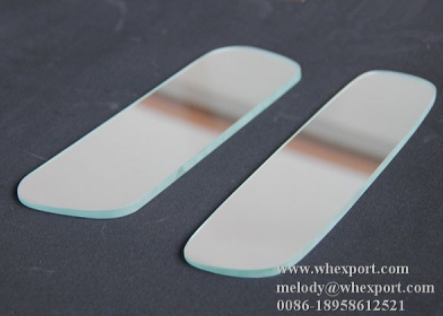
- Glass and Reflectance: Standard automotive interior mirrors must meet strict reflectance minimums. Prismatic mirrors typically use second-surface silvering or aluminizing. For smart mirrors with built-in displays, the glass must balance high transmission (so the screen is visible) with adequate reflectance (to function as a mirror when the screen is off).
- Housing Resin: Cabin temperatures can exceed 80 degrees Celsius in direct sunlight. Specify high-heat ABS or a PC+ABS blend to prevent housing warpage or off-gassing over time.
- The Pivot Mechanism: The ball-and-socket joint is the most critical mechanical component. If the factory uses poor-quality internal springs or incorrect tolerances, the mirror will vibrate while driving, rendering it useless.
- Mounting Brackets: The windshield button interface varies by region and vehicle make. Universal wedge mounts and cam-lock mounts cover a large portion of the market, but OEM-specific replacements require precise die-cast zinc or aluminum brackets.
Struggling to find a supplier that meets strict automotive optical standards? Let us manage the factory vetting and technical negotiations.
Talk to our teamManufacturing Risks and Quality Control
Producing a flawless interior mirror involves glass cutting, edge grinding, coating, injection molding, and final assembly. Defects often emerge during the final assembly phase or after environmental stress.
Critical Factory-Floor Checks
- Ball joint torque testing to ensure high resistance against vibration without making manual adjustment too stiff.
- Electrochromic fluid containment checks to prevent gel leakage under high temperatures.
- Optical distortion testing across the entire surface area of the glass.
- Thermal cycling tests to ensure the PC+ABS housing does not warp or crack the glass under extreme temperature fluctuations.
Relying solely on a factory's internal QA is risky, especially for complex electrochromic or smart units. Implementing rigorous pre-shipment quality control is essential to catch ball-joint tension issues and optical distortion before the container is loaded.
Regulatory Compliance and Standards
Automotive mirrors are highly regulated safety devices. Depending on your target market, the manufacturer must provide valid testing reports.
Market-Specific Certifications
Do not assume a supplier's standard model meets your local regulations. For the US market, mirrors must comply with FMVSS 111 (specifying field of view and mounting requirements). In Europe, they require E-mark certification under ECE R46. Always verify these claims through independent compliance testing.
Pricing, MOQs, and Lead Times
The cost of an interior mirror scales dramatically with its electronic complexity. Basic prismatic mirrors are low-margin, high-volume items, whereas smart mirrors require specialized electronic component sourcing.
| Mirror Type | Typical Unit Cost | Typical MOQ | Key Sourcing Challenge |
|---|---|---|---|
| Standard Prismatic | $2.00 - $6.00 | 2,000 - 5,000 pcs | Cost control, glass edge finish |
| Electrochromic (Auto-Dimming) | $12.00 - $28.00 | 500 - 1,000 pcs | Sensor calibration, fluid leakage |
| Smart Display / Dashcam | $35.00 - $90.00+ | 500 pcs | PCB reliability, heat dissipation |
Lead times typically range from 30 to 45 days for existing molds. If you are utilizing OEM/ODM services to develop a custom housing or integrate proprietary dashcam hardware, expect an additional 45 to 60 days for tooling, PCB layout, and prototyping. Because the technological capabilities of suppliers vary wildly, conducting thorough factory audits is crucial to verify their cleanroom standards and electronic assembly lines.
Planning a custom smart mirror project or looking to consolidate your aftermarket supply chain? Our engineers can help structure your production run.
Get a free consultationBuyer FAQ
Sourcing interior mirrors effectively means looking past the plastic housing to assess a manufacturer's optical precision and electronic assembly capabilities. By defining strict torque tolerances, confirming reflectance values, and validating certifications early, buyers can secure reliable, compliant products that perform under demanding cabin conditions.
Get Sourcing Help for Interior Mirrors
Tell us your requirements and our experts will connect you with verified manufacturers.