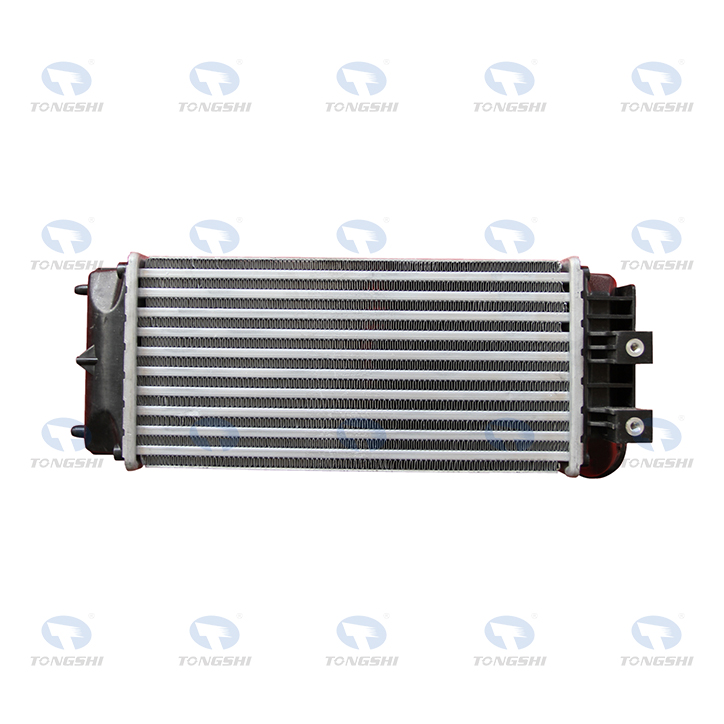
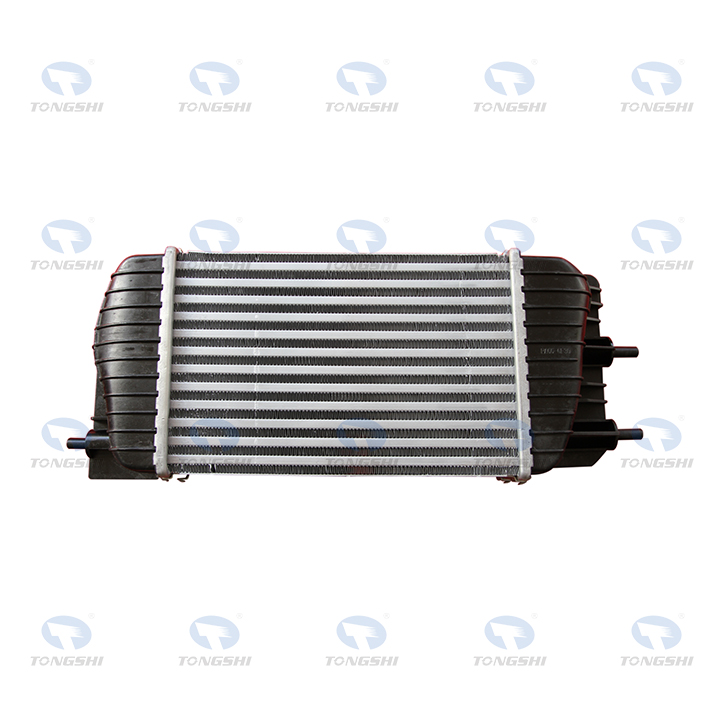
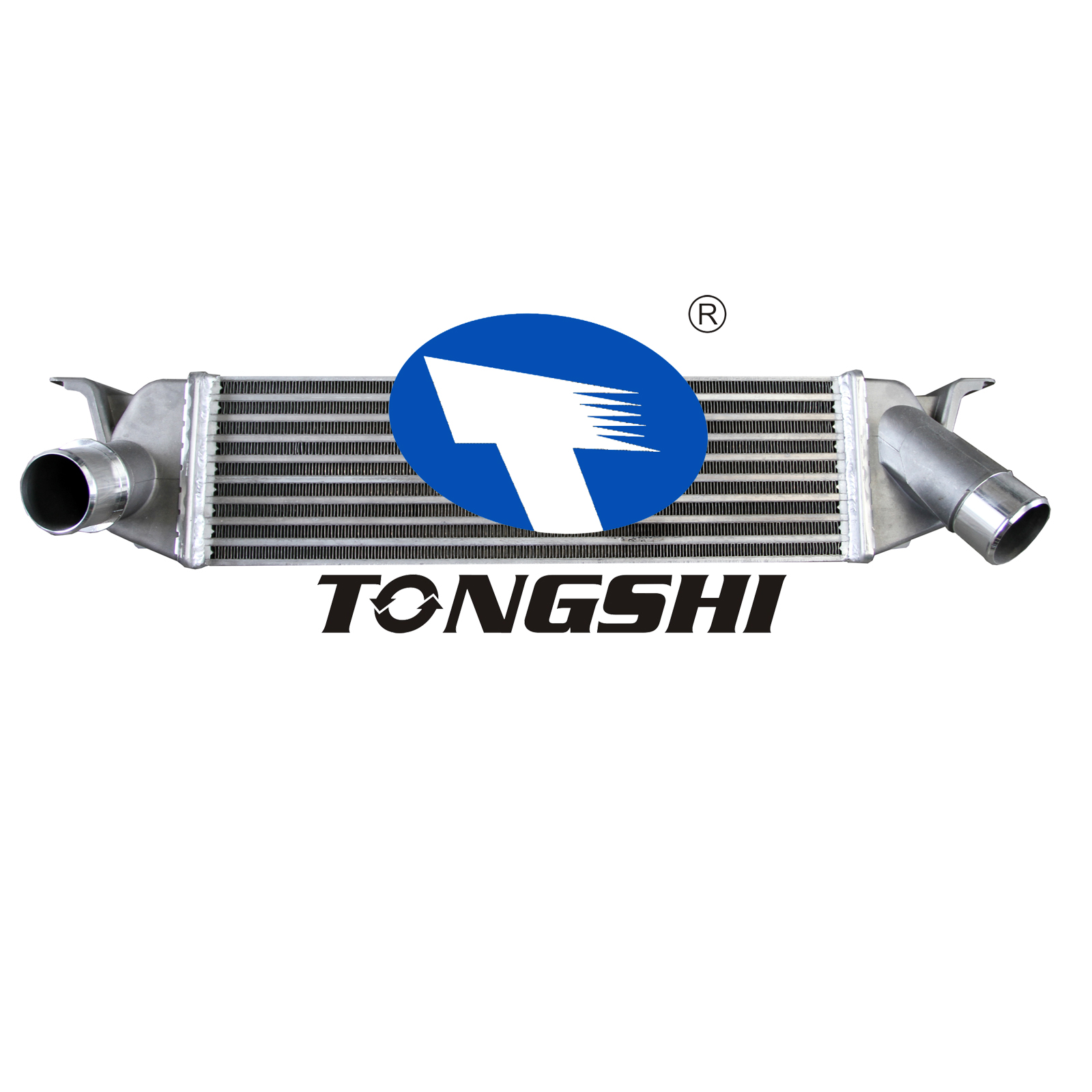
Intercoolers
Source premium intercoolers in bulk directly from vetted manufacturers and wholesale suppliers. Designed for automotive parts distributors, importers, and performance brands, our supplier network offers scalable OEM and private-label production. Secure reliable supply chains with factory-direct pricing.
Sourcing automotive intercoolers at scale requires balancing thermal efficiency, structural integrity under boost pressure, and unit cost. Whether you are developing high-performance aftermarket upgrades or sourcing direct-fit OEM replacements, the reliability of the core and the precision of the end tanks dictate the product's lifespan. Navigating the Asian manufacturing landscape for these components means understanding core architectures, aluminum grades, and the factory-level quality controls required to prevent catastrophic boost leaks.
Core Architectures: Specifying for the Application
The foundation of any intercooler order is the core design. Manufacturers typically specialize in one of two primary architectures, each suited to different market segments and performance requirements.
| Specification | Tube & Fin | Bar & Plate |
|---|---|---|
| Weight | Lighter (suited for OEM/street) | Heavier (suited for track/heavy duty) |
| Durability | Moderate (susceptible to rock damage) | High (robust against debris) |
| Thermal Mass | Low (cools quickly, heat soaks faster) | High (resists heat soak longer) |
| Manufacturing Cost | Lower (extruded tubes) | Higher (brazed layers) |
When engaging a factory for OEM/ODM Services, clearly define the intended application. A heavy-duty diesel application will demand a robust bar-and-plate design, while a direct-fit passenger car replacement is often better served by a cost-effective tube-and-fin construction.
Need help identifying the right core architecture and manufacturer for your specific application? Let's discuss your technical requirements.
Talk to our teamManufacturing Tolerances and Material Selection
The longevity of an intercooler is directly tied to the materials used and the brazing or welding processes employed on the factory floor.
- Aluminum Grades: Cores are typically constructed from 3003 aluminum due to its excellent heat transfer properties and brazing compatibility. For end tanks, cast A356 aluminum is standard for high-volume production, while 6061 aluminum is utilized for CNC-machined or sheet-fabricated tanks in lower-volume, high-performance applications.
- Brazing Process: Modern factories utilize Controlled Atmosphere Brazing (CAB) furnaces. The critical metric here is temperature uniformity. A variance of even a few degrees in the CAB furnace can lead to incomplete brazing (causing internal leaks) or core melting.
- End Tank Welding: For fabricated tanks, TIG welding is the standard. Penetration depth and bead consistency are critical. Poor welding not only looks unprofessional but creates weak points that will crack under cyclic boost pressure and thermal expansion.
Conducting thorough Factory Audits is essential to verify a supplier's CAB furnace maintenance logs and the certification level of their TIG welders before initiating bulk production.
Quality Control and Defect Prevention
Catching defects before they are packed into shipping containers is the only way to protect your brand and your margins. Intercoolers require stringent testing protocols.
Critical Factory Inspection Checkpoints
- Pressure Testing: 100% of units must be submerged in water and pressurized with air (typically to 30-40 psi) to check for pinhole leaks in welds or brazed joints.
- Fin Density (FPI) Verification: Ensure the Fins Per Inch match the approved prototype. Factories sometimes reduce FPI to save material, which drastically reduces cooling efficiency.
- Dimensional Accuracy: Mounting tabs and inlet/outlet diameters must be checked against CAD drawings with calipers to ensure direct-fit installation.
- Internal Cleanliness: Cores must be flushed and inspected for leftover flux, aluminum shavings, or welding slag that could be ingested by an engine.
Implementing independent Quality Control & Inspection prior to shipment ensures these technical specifications are rigidly enforced.
MOQs, Lead Times, and Tooling Costs
Understanding the economic drivers of intercooler production helps in negotiating better terms and planning inventory cycles.
- Tooling Costs: If you require custom cast end tanks, expect to pay tooling fees for the molds. These typically range from $1,000 to $3,000 depending on complexity. Fabricated sheet metal tanks require no molding fees but carry a higher per-unit labor cost.
- Minimum Order Quantities (MOQs): For standard, off-the-shelf cores with minor modifications, MOQs can be as low as 50 to 100 units. For fully custom designs requiring new cast tanks, factories will often demand MOQs of 300 to 500 units to justify the setup time.
- Production Lead Times: A standard production run usually takes 35 to 45 days. However, if new tooling is required, add an additional 20 to 30 days for mold creation and first-article sample approval.
Navigating tooling costs and negotiating MOQs can be complex. Speak with our sourcing experts to optimize your production strategy.
Get a free consultationFrequently Asked Questions
Sourcing intercoolers requires a rigorous approach to technical validation. A supplier might offer an attractive unit price, but if their brazing process is inconsistent or their pressure testing is lax, the resulting warranty claims will quickly erase any upfront savings. Professional oversight at the factory level remains the most effective way to secure high-quality thermal management components.
Get Sourcing Help for Intercoolers
Tell us your requirements and our experts will connect you with verified manufacturers.