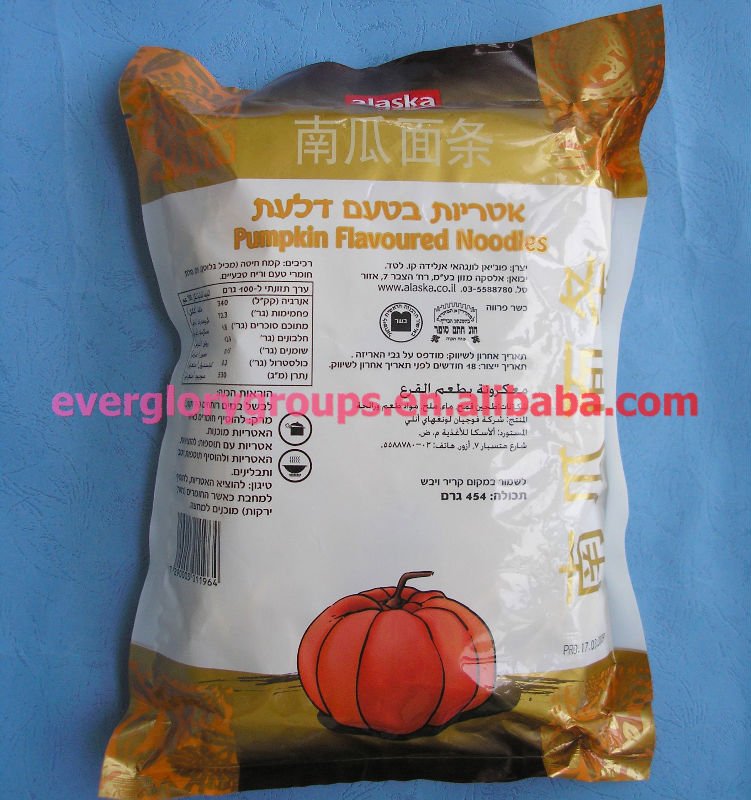
Instant Noodles
Source high-quality instant noodles in bulk from vetted manufacturers and wholesale suppliers across Asia. Designed for importers, food distributors, and brands seeking reliable OEM and private-label production, our network delivers consistent quality, scalable capacity, and strict food safety compliance.
Sourcing instant noodles at scale requires navigating complex supply chains, strict food safety regulations, and precise flavor engineering. For volume buyers, the challenge is not simply finding a factory with available capacity; it is ensuring consistent moisture control, stable shelf life, and compliant ingredient profiles across millions of units. Success depends on partnering with manufacturers capable of rigorous quality management and precise formulation.
Core Manufacturing Processes and Specifications
The fundamental choice in instant noodle production dictates the product's texture, shelf life, and nutritional profile. Commercial production is generally divided into two primary dehydration methods.
| Specification | Fried Instant Noodles | Non-Fried (Air-Dried) Noodles |
|---|---|---|
| Moisture Content | Under 10% | 10% to 14% |
| Fat Content | 15% to 20% | Under 3% |
| Texture | Porous, quick rehydration | Chewier, closer to fresh noodles |
| Typical Shelf Life | 6 to 12 months | Up to 12 months |
| Production Cost | Lower | Higher (longer drying time) |
Beyond the noodle block, the seasoning sachets represent a significant portion of the cost and complexity. Factories typically source ingredients for powder (salt, MSG, spices, hydrolyzed vegetable protein), oil/sauce (flavored oils, pastes), and dehydrated garnishes (vegetables, texturized soy protein, freeze-dried meats) from secondary suppliers. Ensuring all sub-tier suppliers meet your target market's regulatory standards is a critical step in the procurement process.
Developing a custom flavor profile or need to audit a factory's food safety systems? Merhein can manage the technical vetting and supplier negotiations for your next large-scale order.
Talk to our teamQuality Control and Food Safety Compliance
Instant food products are heavily regulated, and cross-border trade introduces stringent import controls. A supplier's failure to maintain sanitary conditions or accurately declare allergens can result in costly customs rejections or recalls.
Effective Quality Control & Inspection must occur at multiple stages, from raw material intake to final packaging.
Critical Factory Quality Checks
- Oil Quality Monitoring: Regular checks of the Acid Value (AV) and Peroxide Value (POV) in frying oil to prevent rancidity.
- Moisture Analysis: Ensuring noodle blocks are dried below the critical threshold to prevent microbial growth.
- Seal Integrity Testing: Vacuum leak testing on primary packaging (pillow pouches, cups, bowls) and seasoning sachets.
- Weight Consistency: Automated check-weighing of noodle blocks and individual seasoning packets.
- Metal Detection & X-Ray: End-of-line scanning to detect foreign materials before carton packing.
When importing into strict markets like the US, EU, or Australia, verifying supplier certifications is non-negotiable. Factories should hold active, verifiable certificates for HACCP, ISO 22000, or GFSI-recognized schemes like BRC or SQF. Navigating these requirements often requires dedicated Compliance & Testing to ensure ingredients, food colors, and preservatives meet local legal limits.
OEM, ODM, and Private Label Production
For brands looking to launch their own product lines, OEM/ODM Services offer the ability to customize everything from the wheat flour blend to the primary packaging.
When developing a custom SKU, buyers must specify:
- Noodle Format: Square block, round block, or folded.
- Packaging Type: Pillow pouch (most cost-effective), single-wall cup, double-wall cup (better insulation), or premium bowl.
- Sachet Configuration: Single powder packet vs. multi-packet (powder, oil, dried garnish, retort pouch for real meat).
Ingredient Restrictions
Always cross-reference your custom seasoning formulations with your destination country's import regulations. Animal-derived ingredients (like chicken or beef extract powders) often face strict quarantine barriers or require specific veterinary health certificates.
Typical MOQs, Pricing Drivers, and Lead Times
Instant noodle manufacturing is a high-volume, low-margin industry. Factories rely on continuous automated lines, meaning Minimum Order Quantities (MOQs) are driven by the length of a production run and packaging printing minimums.
Pricing is highly sensitive to global wheat and palm oil commodity markets. Additionally, the complexity of the packaging (e.g., adding a shrink-wrapped plastic lid to a paper cup) and the inclusion of premium retort meat pouches will significantly impact the unit cost.
Need reliable factory partners capable of scaling your private label instant noodle brand? Let Merhein handle the supplier vetting, production oversight, and international logistics.
Get a free consultationSourcing instant noodles requires a meticulous approach to food safety, ingredient compliance, and production scalability. By partnering with factories that maintain rigorous quality management systems, volume buyers can secure stable supply chains and deliver consistent, market-ready products.
Get Sourcing Help for Instant Noodles
Tell us your requirements and our experts will connect you with verified manufacturers.