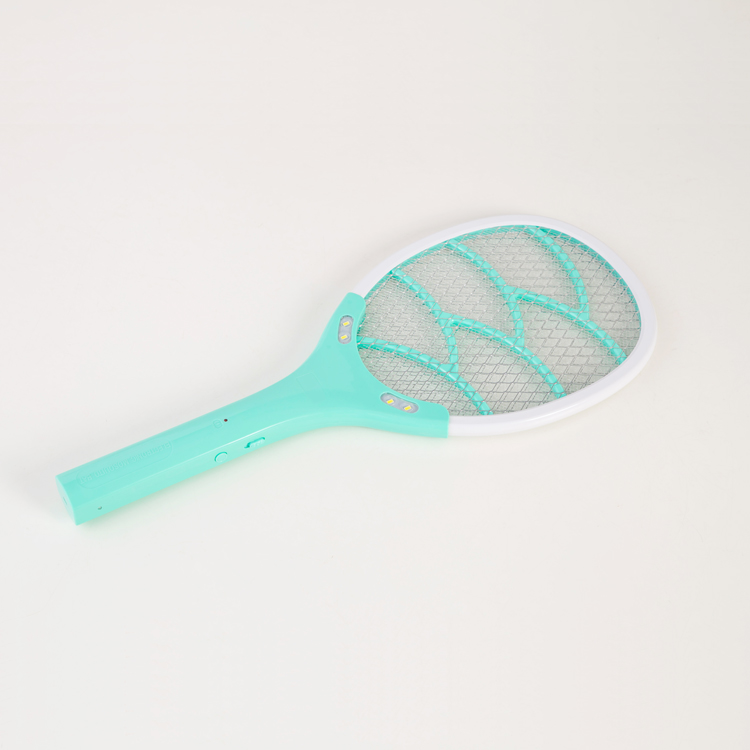
Insect Repellents
Source high-quality insect repellents from vetted suppliers and manufacturers across Asia. Designed for importers, wholesale distributors, and brands seeking reliable OEM and private-label production, our network delivers compliant, effective formulations at competitive bulk volumes.
Sourcing insect repellents at scale requires navigating a complex intersection of chemical formulation, strict regulatory compliance, and specialized packaging. Whether you are developing a natural plant-based spray or a maximum-strength synthetic aerosol, the margin for error is virtually zero. Inconsistent active ingredient dispersion, leaking pump seals, or failed stability tests can lead to product recalls and regulatory penalties.
For professional buyers, success depends on partnering with chemical manufacturers who maintain rigorous compounding standards and hold the necessary certifications for your target market.
Active Ingredients and Formulation Specifications
The core of any insect repellent is its active ingredient (AI). Buyers must specify not only the AI but its exact concentration, as this dictates both the efficacy duration and the regulatory classification of the product.
| Active Ingredient | Typical Concentration | Efficacy Duration | Key Characteristics |
|---|---|---|---|
| DEET | 10% to 30% | 2 to 8 hours | Industry standard; highly effective but can degrade certain plastics. |
| Picaridin (Icaridin) | 10% to 20% | 4 to 12 hours | Odorless, non-greasy, and safe on synthetic gear. |
| IR3535 | 10% to 20% | 4 to 8 hours | Excellent safety profile; common in family and pediatric formulations. |
| PMD (Lemon Eucalyptus) | 10% to 30% | 2 to 6 hours | Leading natural alternative; strong odor profile. |
When developing private-label lines through OEM/ODM Services, you must also account for the inert ingredients—solvents, emulsifiers, and fragrances. These impact the skin feel (greasiness, drying time) and the shelf stability of the final product.
Navigating chemical formulations and factory vetting is complex. Let our experts manage supplier qualification and production oversight for your next repellent line.
Talk to our teamManufacturing Processes and Quality Control
Producing liquid, lotion, or aerosol repellents involves precise batch compounding. The primary risk on the factory floor is improper mixing, leading to "hot spots" where the active ingredient is too concentrated, or dead zones where the product is ineffective.
Aerosol production adds another layer of complexity, requiring specialized filling lines for propellants (like butane or compressed air) and crimping stations for the valves.
Critical Quality Control Checkpoints
- Active Ingredient Homogeneity: Lab testing samples from the top, middle, and bottom of the mixing vat.
- pH and Viscosity Testing: Ensuring the formulation matches the approved master sample.
- Packaging Integrity: Vacuum leak testing for pump sprays and water-bath testing for aerosols to detect micro-leaks.
- Spray Pattern and Yield: Verifying the actuator delivers a consistent mist without clogging or dripping.
- Weight Verification: Inline check-weighing to ensure strict adherence to stated net volumes.
Implementing rigorous Quality Control & Inspection protocols before shipment is non-negotiable, particularly for pressurized containers which are classified as hazardous goods during transport.
Regulatory Compliance and Testing
Insect repellents are heavily regulated. In the US, products claiming to repel insects (especially mosquitoes and ticks) must be registered with the EPA, requiring extensive efficacy and safety data. In the EU, they fall under the Biocidal Products Regulation (BPR).
Even natural repellents (like citronella or peppermint oil) that may qualify for minimum-risk exemptions (e.g., EPA 25(b)) still require strict labeling compliance and proof of stability. Utilizing professional Compliance & Testing services ensures your formulation meets the specific legal thresholds of your destination market before mass production begins. Furthermore, conducting thorough Factory Audits is essential to verify that the manufacturer holds ISO 9001 and relevant Good Manufacturing Practice (GMP) certifications.
Typical MOQs, Pricing, and Lead Times
Chemical compounding and automated filling lines require significant volume to run efficiently.
Pricing is highly volatile and correlates directly with the global spot price of the active ingredients (especially DEET and Picaridin) and the packaging materials (aluminum cans vs. PET bottles).
Need accurate pricing and lead times for your specific formulation? We can benchmark costs across our network of vetted chemical manufacturers.
Get a free consultationFrequently Asked Questions
Sourcing insect repellents demands precision at every stage, from chemical compounding to regulatory paperwork and hazmat logistics. Working with a dedicated sourcing partner ensures you bypass unqualified facilities and partner only with manufacturers capable of delivering compliant, shelf-stable products consistently.
Get Sourcing Help for Insect Repellents
Tell us your requirements and our experts will connect you with verified manufacturers.