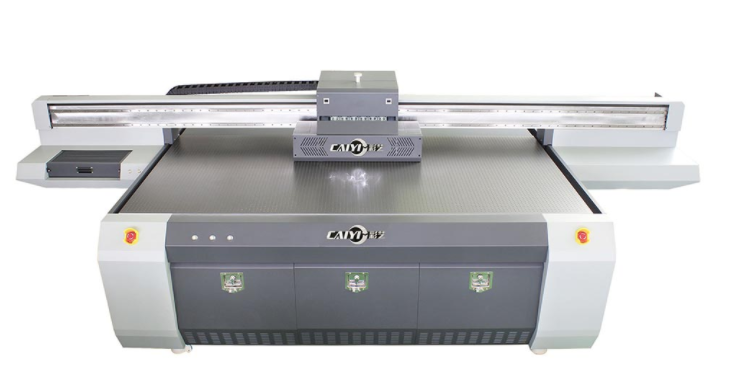
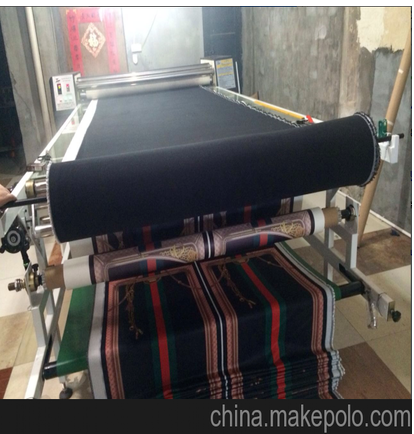
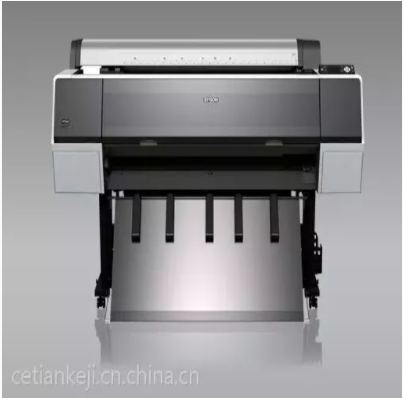
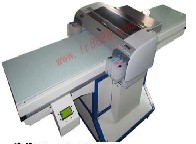
Inkjet Printers
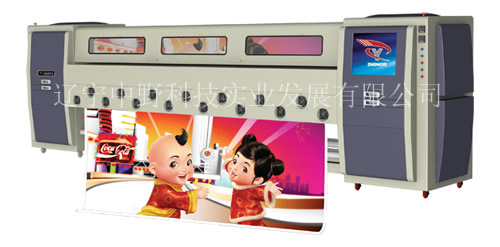
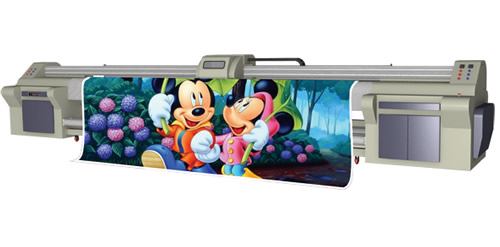
Source commercial and industrial Inkjet Printers from vetted suppliers and manufacturers in Asia. Designed for importers, wholesalers, distributors, and brands seeking reliable OEM production, our network covers high-performance printing machinery built to exact specifications for scale and precision.
The primary challenge in sourcing commercial inkjet machinery from overseas is navigating the integration of imported core components with locally manufactured hardware. A reliable assembly factory does not just build a metal chassis; they engineer precise synchronization between high-end printheads, continuous ink delivery systems, and main control boards. For volume buyers and distributors, securing a stable supply chain requires looking past the spec sheet to evaluate the manufacturer’s engineering tolerances and quality control protocols.
Core Specifications & Printhead Integration
The heart of any commercial inkjet printer is the printhead. Most Chinese manufacturers import these from Japan or the UK and build the surrounding machine. The choice of printhead dictates the machine's resolution (DPI), speed, compatible ink chemistry (UV, eco-solvent, aqueous, sublimation), and overall lifespan.
When specifying your requirements, you must align the printhead tier with your target market's application and price point.
| Printhead Tier | Common Configurations | Application Focus | Integration Complexity |
|---|---|---|---|
| Entry-Level Commercial | Epson (DX5, i3200, XP600) | Eco-solvent, DTF, entry UV flatbed | Low to Medium |
| Industrial Production | Ricoh (Gen5, Gen6), Konica | High-speed UV, large format signage | High (requires advanced negative pressure systems) |
| Ultra-High Volume | Kyocera, Xaar | Single-pass packaging, ceramics, textiles | Very High (demands heavy-duty CNC chassis) |
Beyond the printhead, the mainboard and carriage board are critical. Boards from manufacturers like Hoson, BYHX, or Senyang are industry standards in Asia. Ensure your supplier specifies which board they use, as this dictates compatibility with international RIP software (like FlexiPrint, Onyx, or Caldera).
Struggling to match printhead specifications with the right assembly factory? Let our technical sourcing team identify suppliers with the exact engineering capabilities your product line requires.
Get a free consultationManufacturing Quality & Factory Evaluation
A common defect in imported inkjet printers is banding or ghosting during high-speed printing. This is rarely a printhead failure; it is usually caused by micro-vibrations in a poorly constructed chassis or unstable ink flow.
When evaluating potential suppliers, verifying their fabrication methods is essential. Relying on comprehensive factory audits allows you to confirm whether a supplier machines their own heavy-duty structural frames or simply bolts together lightweight, outsourced aluminum profiles.
Critical Factory-Level Checks
- Chassis Fabrication: Look for heavy, single-piece milled steel frames rather than bolted aluminum, which vibrates at high carriage speeds.
- Ink Supply Systems: Industrial machines must feature robust negative pressure systems to prevent ink starvation or dripping.
- Curing/Drying Systems: Verify the quality of LED UV lamps or infrared heaters, ensuring they match the maximum print speed without warping media.
- Cleanroom Assembly: Printhead installation should occur in a dust-free environment to prevent immediate nozzle clogging.
Pre-Shipment Inspection for Printing Machinery
You cannot verify an inkjet printer's quality visually; it must be stress-tested under power with ink. Implementing rigorous quality control & inspection before the container is loaded is non-negotiable for commercial printing equipment.
Mechanical Dry Run
Running the carriage back and forth at maximum speed without ink to check for rail smoothness, motor noise, and belt tension.
Nozzle & Alignment Testing
Printing standard diagnostic patterns to confirm 100 percent nozzle firing and perfect bi-directional alignment.
Continuous Stress Test
Running full-width, high-saturation prints for several hours to test the ink delivery system's ability to keep up without starvation.
System Flush & Prep
Crucial step: draining all ink and flushing the lines and printheads with cleaning solution so ink does not cure or dry during ocean transit.
Pricing, MOQs, and Lead Times
The commercial inkjet market operates on different economies of scale compared to consumer electronics. Because these are capital goods, factories are often willing to work with lower Minimum Order Quantities (MOQs), though pricing scales significantly with volume and the choice of imported printheads.
Need accurate pricing and lead times for custom inkjet machinery? We negotiate directly with top-tier manufacturers to secure favorable terms and protect your margins.
Talk to our teamFrequently Asked Questions
Sourcing commercial inkjet printers successfully requires balancing high-tech imported components with heavy-duty local manufacturing. By establishing strict technical specifications and enforcing rigorous pre-shipment testing, importers can secure reliable, high-margin machinery that competes directly with established global brands.
Get Sourcing Help for Inkjet Printers
Tell us your requirements and our experts will connect you with verified manufacturers.