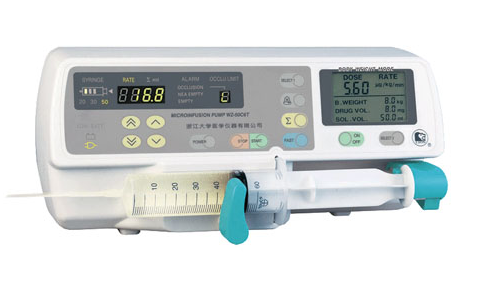
Infusion, Nursing & Protective Instruments
Source bulk infusion, nursing, and protective instruments from vetted manufacturers and suppliers. Designed for medical distributors, wholesale importers, and healthcare brands seeking reliable OEM production, our network delivers certified, clinical-grade medical supplies at scale.
Sourcing clinical consumables—spanning fluid delivery systems, routine nursing supplies, and medical barrier protection—requires balancing strict regulatory compliance with aggressive cost management. Because these products are used directly in patient care environments, buyer requirements extend far beyond basic product dimensions; success relies on stringent material selection, verifiable cleanroom production, and validated sterilization processes.
Material Specifications and Clinical Standards
When negotiating with manufacturers, specifying the exact medical-grade materials is non-negotiable. Substituting standard industrial plastics for medical-grade polymers will result in failed compliance testing and potential clinical risks.
For fluid delivery and nursing instruments, the industry is rapidly shifting away from standard PVC due to plasticizer leaching. Specify DEHP-free PVC, Polyurethane (PU), or Thermoplastic Elastomers (TPE) for any component in direct contact with intravenous fluids.
For protective instruments, barrier performance is dictated by the fabric weight (GSM) and the composite structure. Spunbond Meltblown Spunbond (SMS) and microporous film laminates are standard, but the specific standard must align with the intended clinical use case.
| AAMI PB70 Level | Material Structure | Test Requirement | Typical Application |
|---|---|---|---|
| Level 1 | Spunbond Polypropylene | Impact penetration under 4.5g | Basic nursing care, standard isolation |
| Level 2 | SMS (Standard GSM) | Hydrostatic pressure over 20cm | Suturing, blood draw, pathology |
| Level 3 | SMS (High GSM) or Microporous | Hydrostatic pressure over 50cm | Arterial blood draw, ER trauma |
| Level 4 | PE Laminated / Poly-coated | Viral penetration resistance (ASTM F1671) | Surgery, high fluid risk environments |
Need to verify a factory's material certifications and production capabilities before placing a volume order?
Talk to our teamManufacturing Environments and Sterilization
The reliability of nursing and infusion instruments is determined on the factory floor. Assembly must occur in an ISO Class 8 (Class 100,000) cleanroom, with rigorous environmental monitoring for particulate counts and bioburden. Validating these facilities often requires comprehensive Factory Audits to ensure the supplier's ISO 13485 quality management system is actively practiced, not just certified on paper.
Sterilization is the final, critical step for most of these products. You will typically choose between two methods based on the product materials and volume:
- Ethylene Oxide (EO): The standard for most plastic medical devices and infusion sets. It is highly effective but requires a strict aeration period to reduce residual gas to safe levels (typically under 10 ppm, depending on regional regulations).
- Gamma Irradiation: Faster and leaves no residue, making it ideal for certain protective instruments and specialized nursing supplies. However, it can cause discoloration or embrittlement in standard PVC and polypropylene if the polymers are not specifically formulated for radiation exposure.
Ensuring your products meet destination market regulations (such as FDA 510(k) or CE MDR) requires rigorous Compliance & Testing protocols, often involving third-party laboratories to verify sterility assurance levels (SAL) and material safety.
Quality Control Checkpoints
Catching defects in medical consumables before shipment is vital, as a single compromised batch can lead to massive recalls. Your Quality Control & Inspection plan should include AQL-based sampling focusing on functional and sterile barrier integrity.
Critical Inspection Criteria for Medical Consumables
- Pouch Seal Integrity: Dye penetration and peel strength tests on Tyvek/blister packaging.
- Tensile Strength: Pull-testing on infusion set joints, luer locks, and protective gown seams.
- Flow Rate & Accuracy: Verification of drop size and roller clamp precision for fluid delivery.
- Visual Defect Checks: Inspection for flash, particulates, or discoloration inside the sterile barrier.
- Labeling Compliance: Verification of lot numbers, UDI barcodes, and expiration date printing.
Pricing Dynamics, MOQs, and Lead Times
Because these instruments are produced on highly automated, continuous-run equipment, Minimum Order Quantities (MOQs) are substantial.
- Infusion & Nursing Instruments: Typically 100,000 to 500,000 pieces per SKU.
- Protective Instruments: Usually 50,000 to 100,000 pieces, or measured in full container loads (FCL) due to the bulky nature of the finished goods.
Lead times generally range from 35 to 55 days. Buyers must account for the EO sterilization aeration phase, which adds an unavoidable 7 to 14 days to the production schedule before the goods can be safely boxed and shipped. Pricing is highly sensitive to raw material indices (polypropylene and medical PVC) and the specific sterilization validation required.
Planning a high-volume medical consumable order? Let's discuss your specifications and find the right manufacturing partner.
Get a free consultationFrequently Asked Questions
Successfully sourcing infusion, nursing, and protective instruments requires a rigorous approach to traceability and standard operating procedures. By clearly defining material specs, validating cleanroom environments, and enforcing strict pre-shipment inspections, buyers can secure reliable, clinical-grade supplies at competitive wholesale costs.
Get Sourcing Help for Infusion, Nursing & Protective Instruments
Tell us your requirements and our experts will connect you with verified manufacturers.