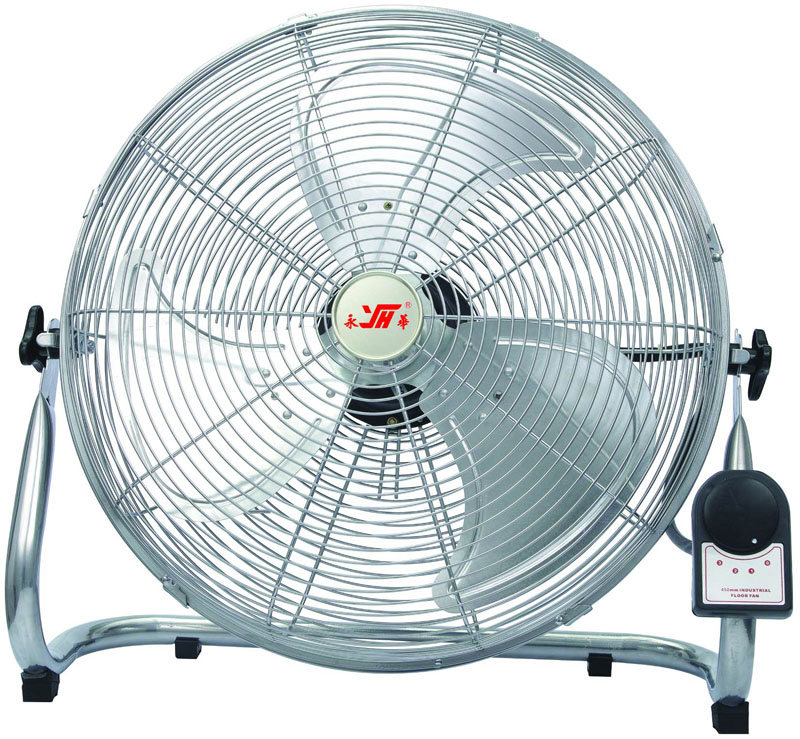
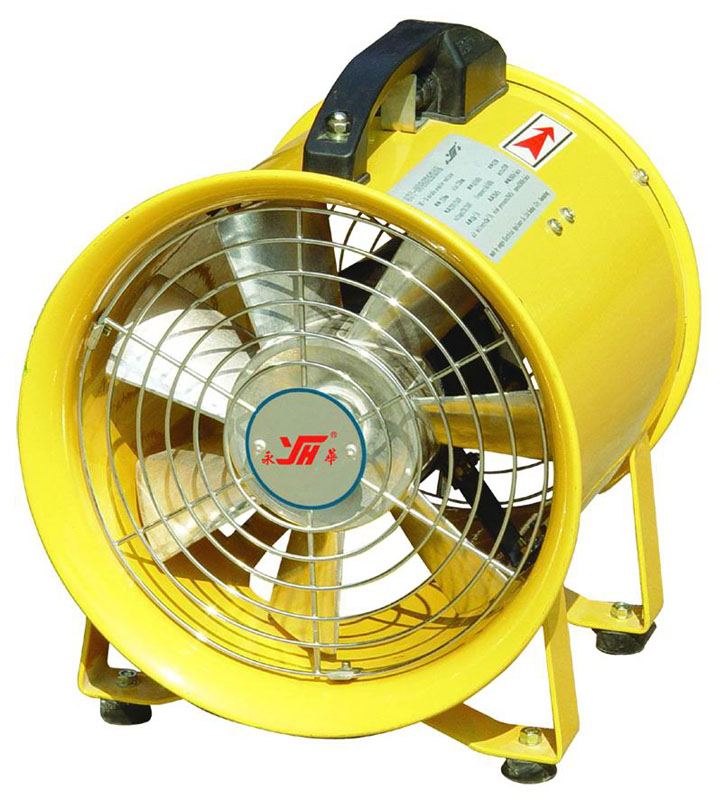
Industrial Fans
Source high-performance industrial fans from vetted suppliers and manufacturers across Asia. Designed for importers, wholesalers, distributors, and brands requiring reliable bulk supply and OEM production, our network delivers industrial-grade cooling and ventilation solutions built for continuous operation and rigorous environments.
Sourcing industrial fans requires navigating a complex matrix of motor specifications, airflow requirements, and continuous-duty reliability. Unlike residential cooling appliances, industrial fans—whether pedestal, drum, or wall-mounted—must withstand harsh environments, high dust levels, and 24/7 operation. The primary sourcing challenge is verifying that a factory's internal components, particularly the motor windings and bearings, match the promised specifications on the datasheet, as visual inspections alone cannot reveal cost-cutting substitutions.
Critical Specifications for Bulk Procurement
When negotiating with manufacturers, the specifications you define dictate both the unit cost and the operational lifespan of the fan. Importers must clearly outline parameters beyond basic dimensions and wattage.
- Airflow and Static Pressure: Specify the required Cubic Feet per Minute (CFM) or Cubic Meters per Hour (CMH) alongside the static pressure curve. High-velocity drum fans prioritize CFM, while confined-space ventilators require higher static pressure to overcome resistance.
- Motor Winding Material: A common factory cost-reduction tactic is substituting pure copper wire with Copper-Clad Aluminum (CCA). CCA runs hotter, has higher electrical resistance, and significantly reduces motor lifespan under heavy load. Always specify 100% pure copper windings for industrial applications.
- Bearing Type: Industrial continuous-duty fans must utilize dual sealed ball bearings rather than sleeve bearings. Ball bearings can operate in any orientation, withstand higher temperatures, and typically offer a lifespan exceeding 40,000 hours.
- Ingress Protection (IP Rating): For fans deployed in factories, warehouses, or agricultural settings, specify a minimum of IP44, though IP54 or IP55 is standard for environments with heavy dust or moisture exposure.
| Motor Technology | Energy Efficiency | Lifespan | Typical Application |
|---|---|---|---|
| Standard AC Induction | Moderate (60-70%) | 20,000 - 30,000 hrs | General warehouse cooling, budget lines |
| Brushless DC (BLDC) | High (up to 90%) | Over 50,000 hrs | Continuous heavy-duty, variable speed needs |
| Totally Enclosed (TEFC) | Moderate | 40,000+ hrs | High dust, agricultural, or outdoor environments |
Navigating motor specifications and factory validation can be complex. Let our engineers help you secure the right technical requirements for your next bulk order.
Talk to our teamManufacturing Quality Control
The durability of an industrial fan is determined on the factory floor. Uneven rotor balancing leads to vibration, which accelerates bearing wear and causes premature motor failure. When conducting Factory Audits, it is crucial to assess the manufacturer's testing equipment and assembly line procedures.
Key Factory-Floor Quality Checks
- Dynamic Balancing: Ensure the factory uses computerized dynamic balancing machines for every blade assembly, not just batch testing.
- Hipot Testing: Verify that high-potential (Hipot) testing is conducted on 100 percent of motors to check insulation integrity.
- Run-in Testing: Confirm the presence of a dedicated aging room where a percentage of each batch is run continuously at elevated temperatures.
- Material Thickness: Measure the gauge of the steel used for the drum or safety grill; undersized steel leads to resonant vibration and structural failure.
Implementing rigorous Quality Control & Inspection protocols before shipment is non-negotiable. Pre-shipment inspections should include noise-level checks (ensuring decibel levels match specs under 85dB for standard units), vibration analysis, and a teardown of a sample motor to verify winding material and bearing origin.
Regulatory Compliance and Certifications
Industrial fans are strictly regulated due to their high power draw and operational environments. Importing non-compliant units risks customs seizure and severe liability.
Market-Specific Requirements
For the US and North American markets, UL 507 (Standard for Electric Fans) or equivalent ETL certification is mandatory. For the European Union, fans must carry the CE mark, complying with the Machinery Directive (MD), Low Voltage Directive (LVD), and Electromagnetic Compatibility (EMC) Directive, alongside RoHS compliance.
Relying on a supplier's provided certificates is risky, as documents are frequently outdated or apply to different models. Partnering with a sourcing firm that manages direct Compliance & Testing with accredited third-party labs ensures your shipment meets all destination market legalities.
Buying Mechanics: Pricing, MOQs, and Lead Times
Procurement terms vary heavily based on the level of customization, motor technology, and the specific manufacturing hub (primarily concentrated in Guangdong and Zhejiang provinces in China).
When engaging in OEM/ODM Services to develop custom industrial fans, volume dictates leverage. Minor customizations like brand colors, custom grill badges, and specific power cord lengths generally require MOQs of around 500 units. Full structural redesigns or custom motor tooling will require higher commitments and shared tooling costs.
Ready to optimize your supply chain? We negotiate MOQs, manage production schedules, and handle quality control directly at the factory.
Get a free consultationFrequently Asked Questions
Securing reliable industrial fans requires looking past the outer housing and rigorously vetting the core electrical components. By enforcing strict motor specifications, demanding dynamic balancing, and maintaining a physical presence on the factory floor, buyers can successfully source high-performance ventilation equipment that withstands the demands of industrial environments.
Get Sourcing Help for Industrial Fans
Tell us your requirements and our experts will connect you with verified manufacturers.