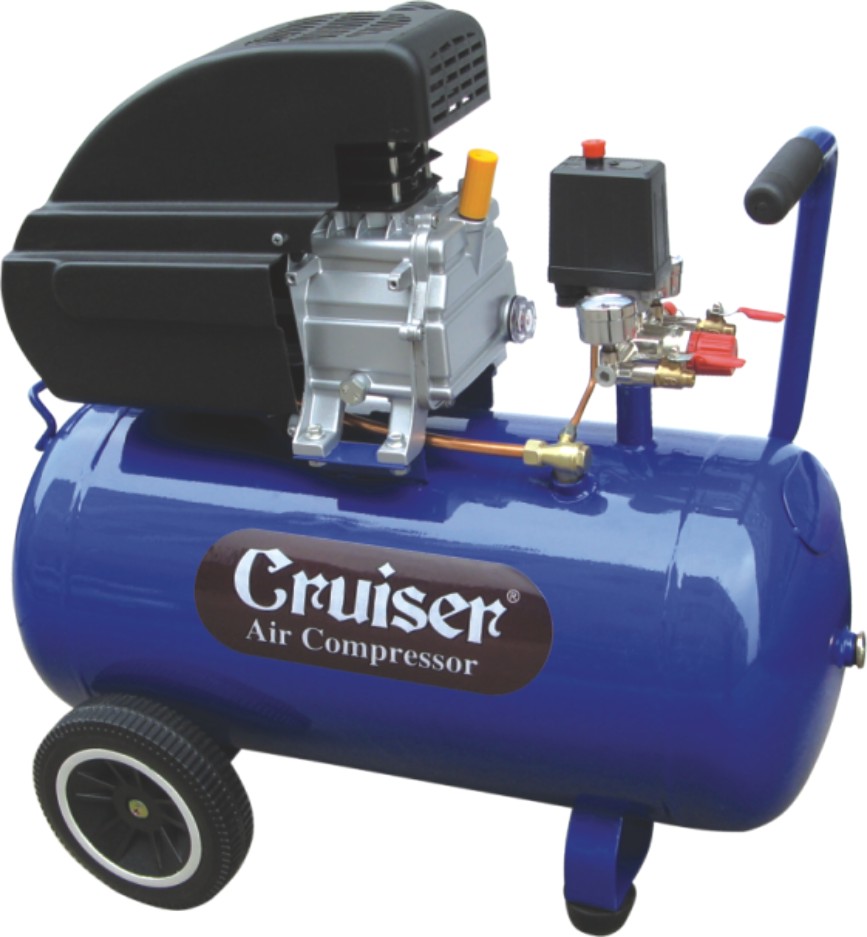
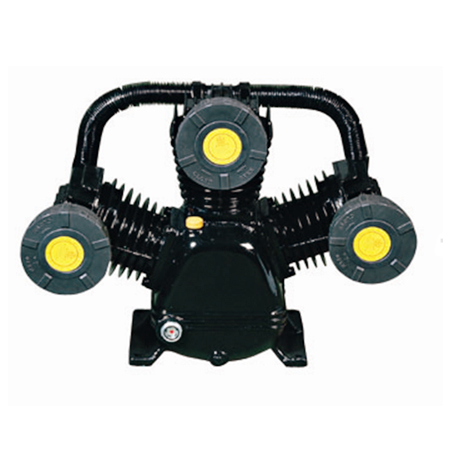
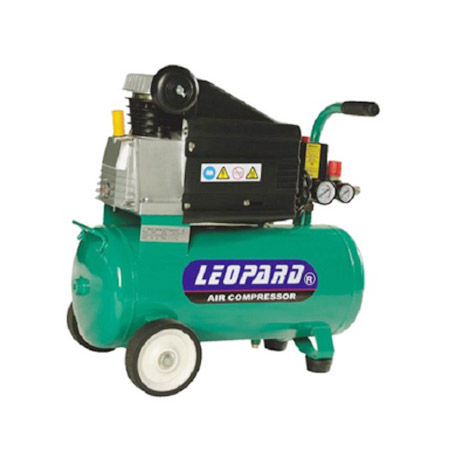
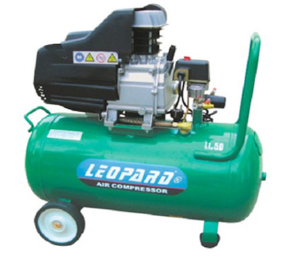
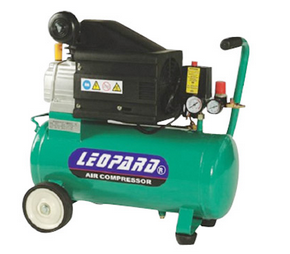
Industrial Compressors
Source high-performance industrial compressors from vetted suppliers and manufacturers across Asia. Designed for importers, wholesalers, and brands seeking reliable OEM production, our network delivers scalable solutions for heavy-duty applications, ensuring strict quality control and competitive wholesale pricing.
Sourcing industrial compressors requires balancing upfront capital expenditure with long-term operational reliability. Whether you are procuring rotary screw units for continuous manufacturing floors or heavy-duty reciprocating models for intermittent high-pressure applications, the manufacturer's engineering capabilities dictate the equipment's lifecycle cost and performance.
Defining Your Compressor Specifications
Buyers must align factory capabilities with strict performance requirements. Specifying a generic horsepower or kilowatt rating is insufficient; the exact operational profile must be communicated to the manufacturer to ensure the correct airend and motor pairing.
Critical Specifications for RFQs
- Free Air Delivery (FAD): Measured in CFM or m³/min at a specific operating pressure.
- Operating Pressure (PSI or Bar): Specify both the minimum required pressure and the maximum rated pressure.
- Duty Cycle and Load Profile: Indicate if the application requires 100% continuous operation or variable demand.
- Motor Efficiency Class: Specify IE3 or IE4 standards and state if a Variable Frequency Drive (VFD) is required.
- Electrical Standards: Exact voltage, phase, and frequency (e.g., 460V/3Ph/60Hz vs. 400V/3Ph/50Hz).
Need help matching your technical requirements to the right manufacturer's capabilities?
Talk to our teamManufacturing Variances and Quality Control
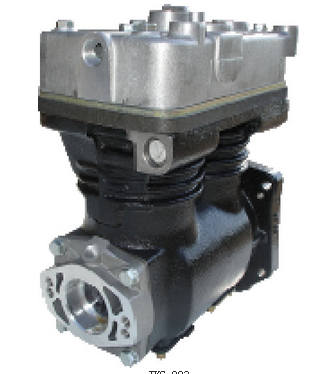
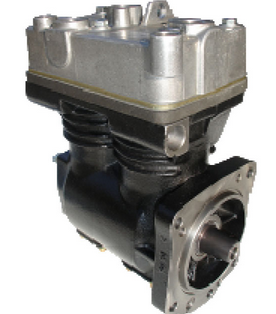
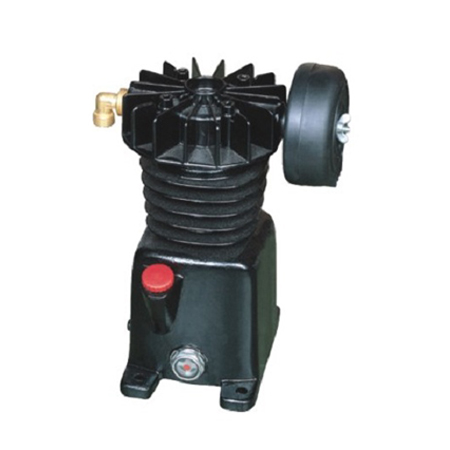
The heart of any industrial compressor is the airend (in rotary models) or the pump block (in reciprocating models). The precision of the rotor profile machining directly impacts volumetric efficiency, heat generation, and energy consumption.
Many assemblers source airends from third-party foundries rather than machining them in-house. It is crucial to verify whether your supplier manufactures their own airends or integrates components, as this affects both pricing flexibility and long-term warranty support. Conducting thorough factory audits ensures the supplier has the necessary CNC machining centers and coordinate measuring machines (CMM) to maintain the tight tolerances required for efficient compression.
When selecting drive types for rotary screw compressors, buyers must weigh efficiency against maintenance complexity:
| Drive Type | Efficiency | Maintenance | Typical Application |
|---|---|---|---|
| Direct Drive | High (minimal transmission loss) | Low (no belts to replace, simple alignment) | Continuous heavy-duty operation |
| Belt Drive | Moderate (3 to 5 percent loss) | Higher (requires regular tensioning and replacement) | Variable pressure needs, lower upfront budget |
| Gear Driven | Very High | Moderate (requires gear oil management) | High-capacity industrial applications |
During production, rigorous quality control & inspection must validate vibration levels, thermal management, and noise output (dB) under full load before the units are crated. Catching a misaligned drive or a faulty cooling fan prior to export saves thousands in aftermarket support.
Wholesale Pricing, MOQs, and Production Lead Times
Industrial compressors are capital goods; therefore, Minimum Order Quantities (MOQs) are highly flexible compared to consumer goods, but lead times are longer due to the complexity of the build and testing phases.
Pricing is heavily influenced by the motor brand (e.g., WEG, ABB, or Siemens versus domestic Chinese brands), the origin of the airend, and the sophistication of the PLC controller. If you require OEM/ODM services for private labeling, expect to negotiate on the enclosure design, controller interface branding, and custom paint colors, which may slightly increase the initial MOQ or require a tooling deposit for custom panels.
Optimize your procurement strategy and negotiate better terms with verified compressor factories.
Get a free consultationFrequently Asked Questions
Successfully sourcing industrial compressors requires looking past the initial unit price and evaluating the total cost of ownership, which includes energy efficiency, maintenance intervals, and parts availability. By partnering with manufacturers who possess genuine engineering pedigree and robust quality systems, you protect your operational uptime and brand reputation.
Get Sourcing Help for Industrial Compressors
Tell us your requirements and our experts will connect you with verified manufacturers.