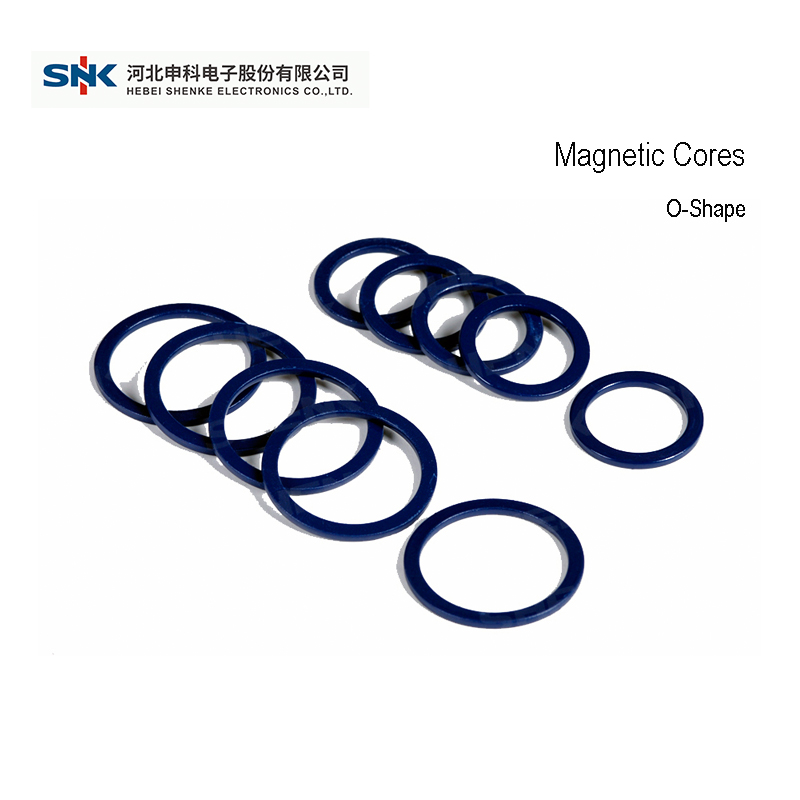
Inductors and Coils
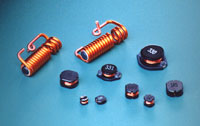
Source high-quality Inductors and Coils from vetted suppliers and manufacturers across Asia. Designed for electronics importers, wholesale distributors, and brands requiring reliable OEM production, our network delivers scalable volume manufacturing at competitive price points.
Sourcing inductors and coils in bulk demands rigorous control over material science and automated manufacturing tolerances. Whether you are procuring standard SMD power inductors for consumer electronics or custom-wound choke coils for industrial power supplies, minor deviations in core permeability or winding tension translate directly to thermal issues, efficiency losses, and EMI compliance failures on the PCB. Navigating the supplier landscape requires distinguishing between highly automated component factories and lower-tier assemblers.
Defining Your Inductor Specifications for RFQs
When approaching a manufacturer, requesting a generic "10 microhenry inductor" will result in wildly varying quotes and unsuitable samples. Factories need precise electrical and mechanical parameters to select the correct core material, wire gauge, and winding method.
Critical Parameters for Inductor RFQs
- Inductance Value & Tolerance: Specify standard tolerances (typically plus/minus 20 percent for power inductors, tighter for RF coils).
- DC Resistance (DCR): State the maximum allowable DCR to limit I2R copper losses.
- Saturation Current (Isat): The DC bias current where inductance drops by a specified percentage (usually 20 to 30 percent).
- Temperature Rise Current (Irms): The continuous current that causes a specific temperature rise (often 40 degrees Celsius) above ambient.
- Self-Resonant Frequency (SRF): The frequency at which the inductor stops acting as an inductor and becomes capacitive.
- Packaging: Tape and reel specifications for automated pick-and-place assembly.
Struggling to find a factory that can meet your exact tolerances? Let our sourcing experts match you with a verified manufacturer.
Talk to our teamFactory Floor Realities: Where Quality is Won or Lost
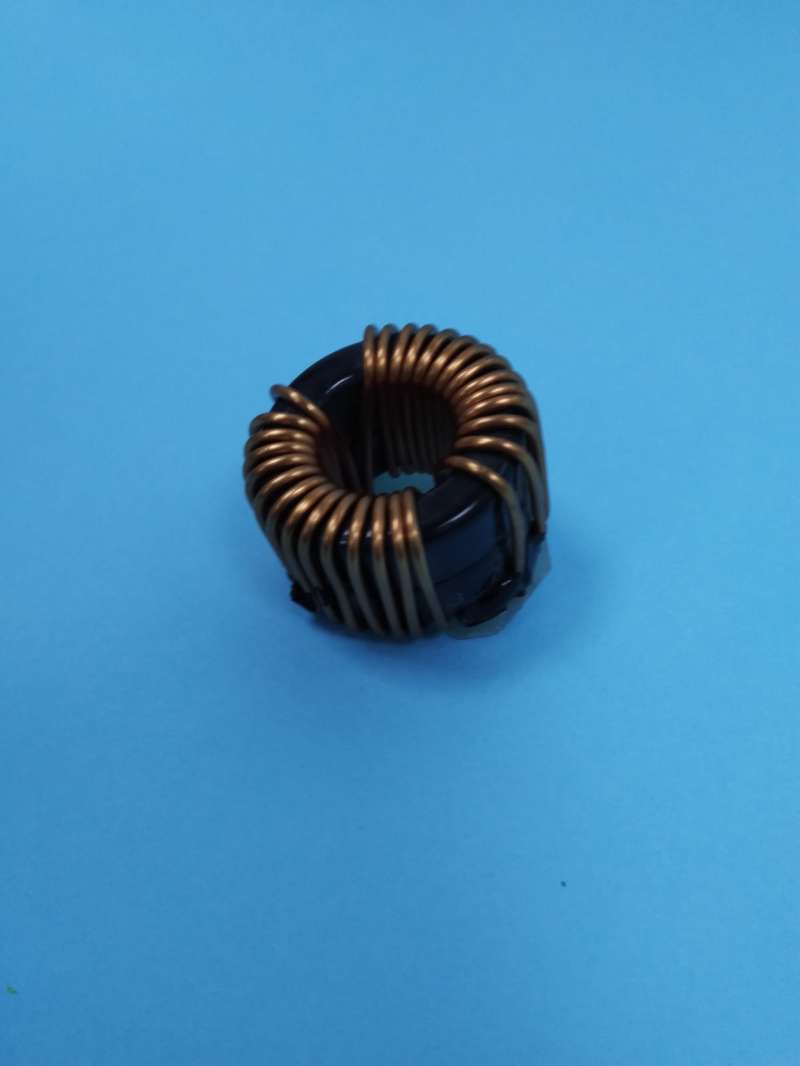
The reliability of an inductor is dictated by the factory's production and testing infrastructure. While standard through-hole and SMD inductors are produced on fully automated winding and terminating lines, larger toroidal coils often require semi-automated or manual winding, introducing human error into the process.
A critical step in inductor manufacturing is the impregnation or varnishing process. Coils must be properly dipped and cured in epoxy or varnish to secure the windings. If a factory cuts corners on curing time, the resulting inductors may suffer from magnetostriction—vibrating under load and emitting a high-pitched audible whine.
To prevent systemic defects, it is crucial to implement rigorous Quality Control & Inspection protocols. Inspectors should verify that the factory uses precision LCR meters equipped with DC bias units to test Isat accurately, rather than relying on theoretical calculations. Coplanarity testing is also vital for SMD inductors; if the terminal pads are not perfectly flat, they will cause solder joint failures during reflow.
Core Material Selection
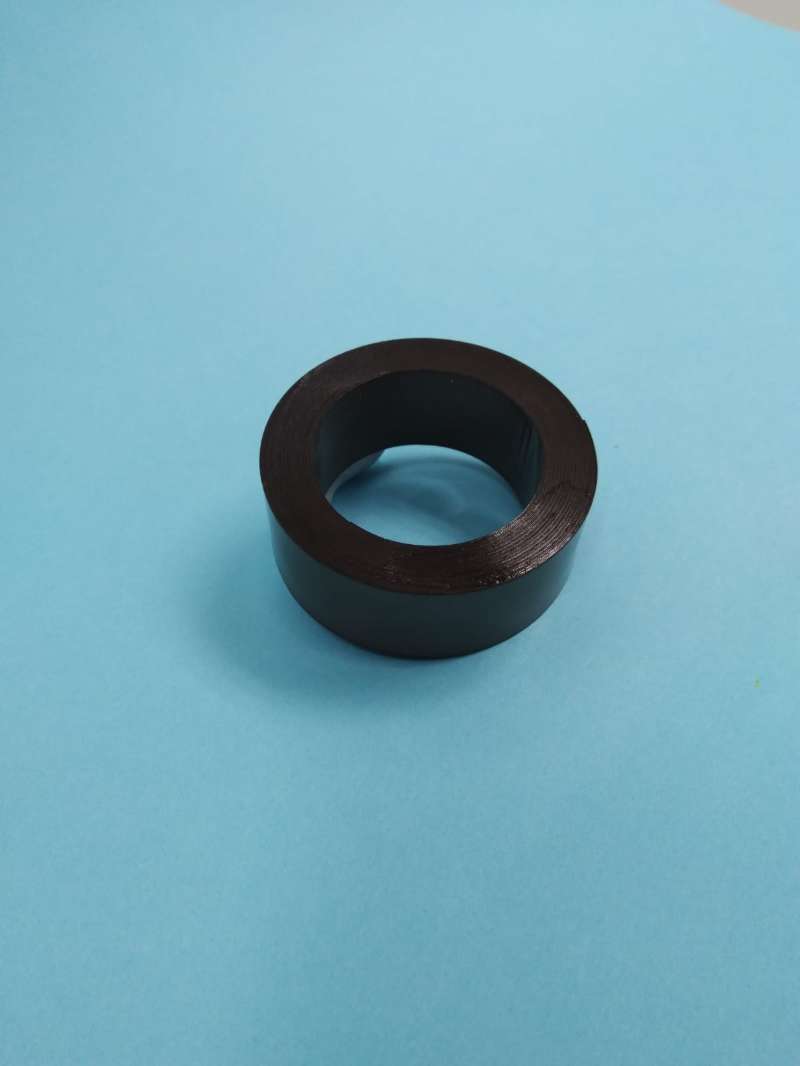
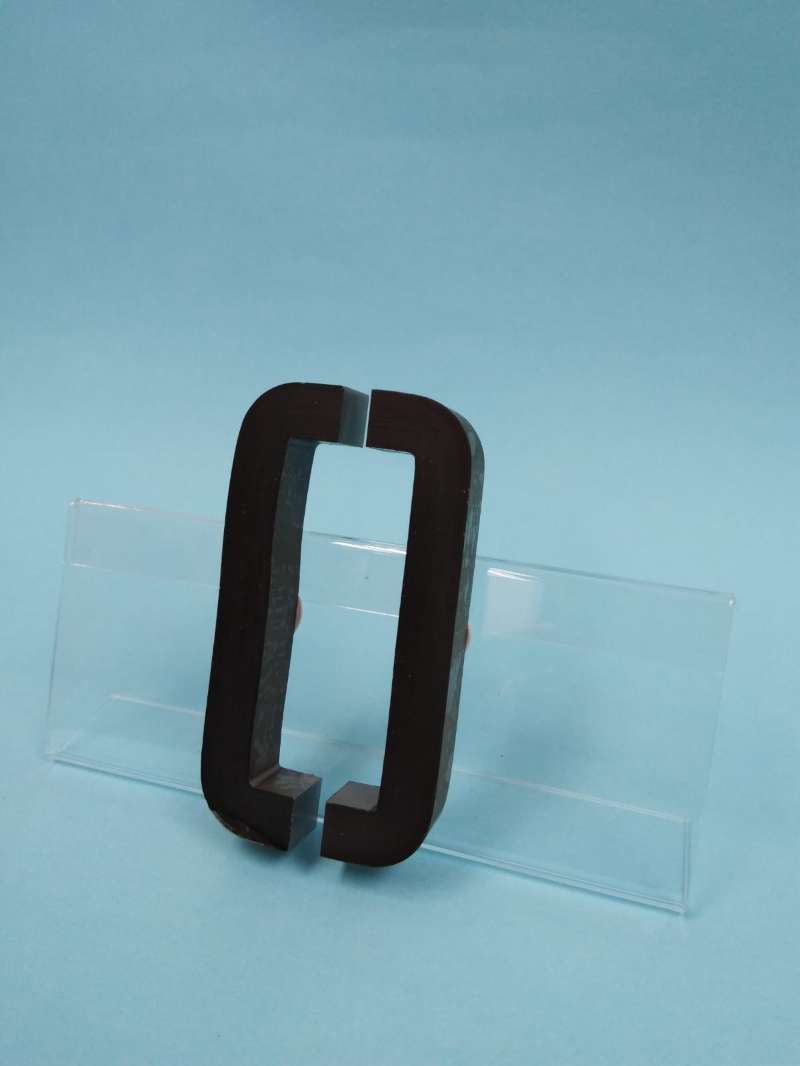
The magnetic core material dictates the inductor's performance profile, physical size, and unit cost. Selecting the right material is a balancing act between saturation characteristics and core losses at high frequencies.
| Material | Key Characteristics | Typical Applications |
|---|---|---|
| Ferrite | High permeability, low core losses at high frequencies, abrupt saturation. | Switching power supplies, DC-DC converters. |
| Iron Powder | Soft saturation curve, lower cost, higher core losses. | EMI filters, low-frequency chokes. |
| Metal Composite | Excellent temperature stability, high current handling, compact size. | High-density automotive and computing applications. |
If you require custom core shapes or specialized winding configurations, partnering with a supplier capable of robust OEM/ODM Services is essential. Custom tooling for molded inductors requires significant upfront investment, making supplier stability a primary concern. Conducting thorough Factory Audits before tooling begins ensures the manufacturer has the financial health and engineering capability to see the project through.
MOQs, Lead Times, and Pricing Dynamics
Passive components are volume-driven. Standard SMD inductors are manufactured in the millions, meaning factories expect orders to align with standard tape-and-reel quantities.
Pricing is highly sensitive to raw material costs—specifically copper and the specific metallic powders used in the cores. When comparing quotes, extreme price discrepancies usually indicate a substitution in core material (e.g., quoting cheap iron powder instead of a specified metal alloy) or the use of thinner wire gauges that will fail your DCR requirements.
Need to lock in competitive pricing for high-volume component orders? We manage the negotiation and supply chain from end to end.
Get a free consultationFrequently Asked Questions
Sourcing inductors and coils at scale requires a deep understanding of magnetic materials and automated manufacturing tolerances. By clearly defining your electrical parameters and verifying your supplier's testing infrastructure, you can secure reliable components that keep your production lines running smoothly. If you need boots on the ground to audit factories and manage quality control in Asia, our team is ready to assist.
Get Sourcing Help for Inductors and Coils
Tell us your requirements and our experts will connect you with verified manufacturers.