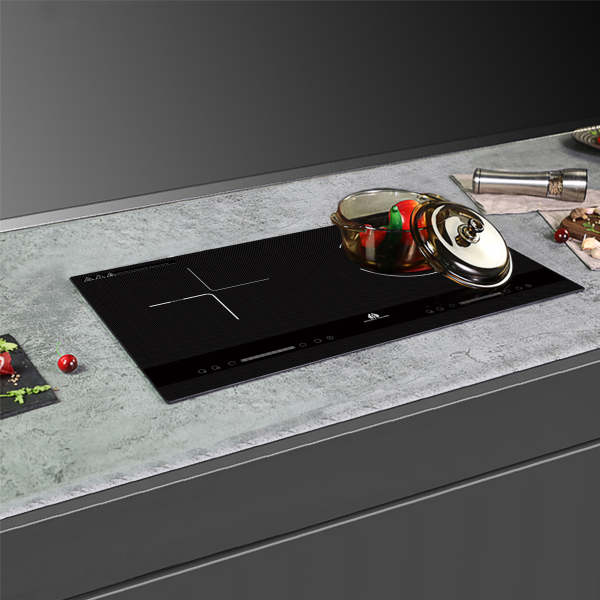
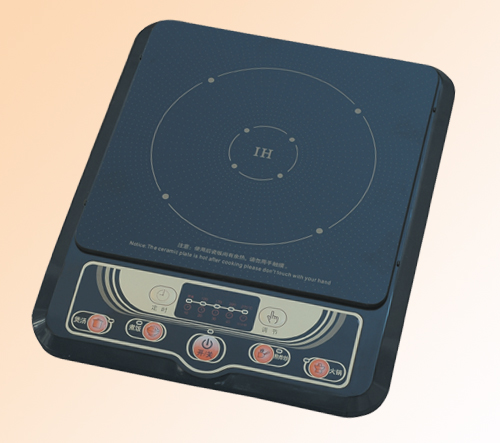
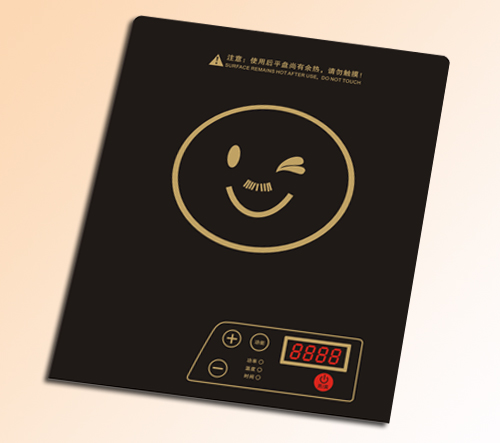
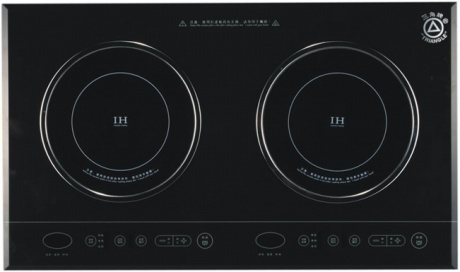
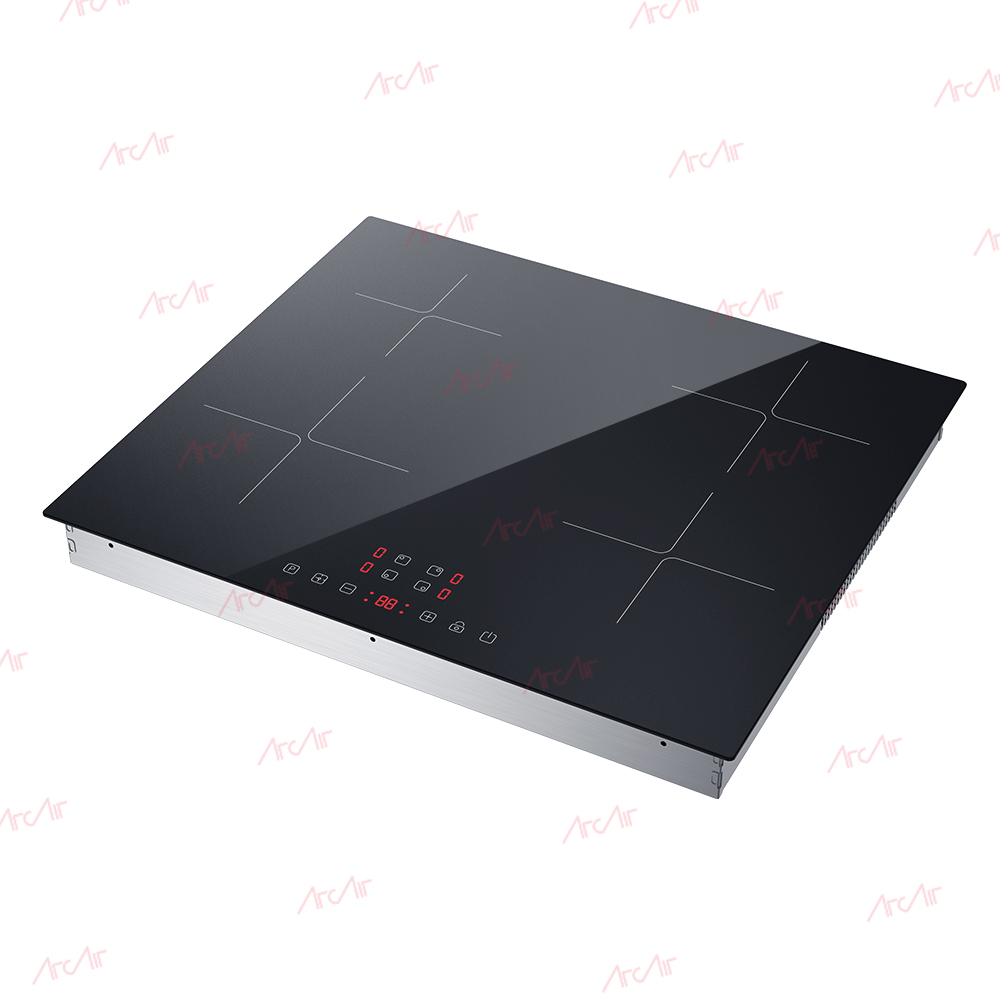
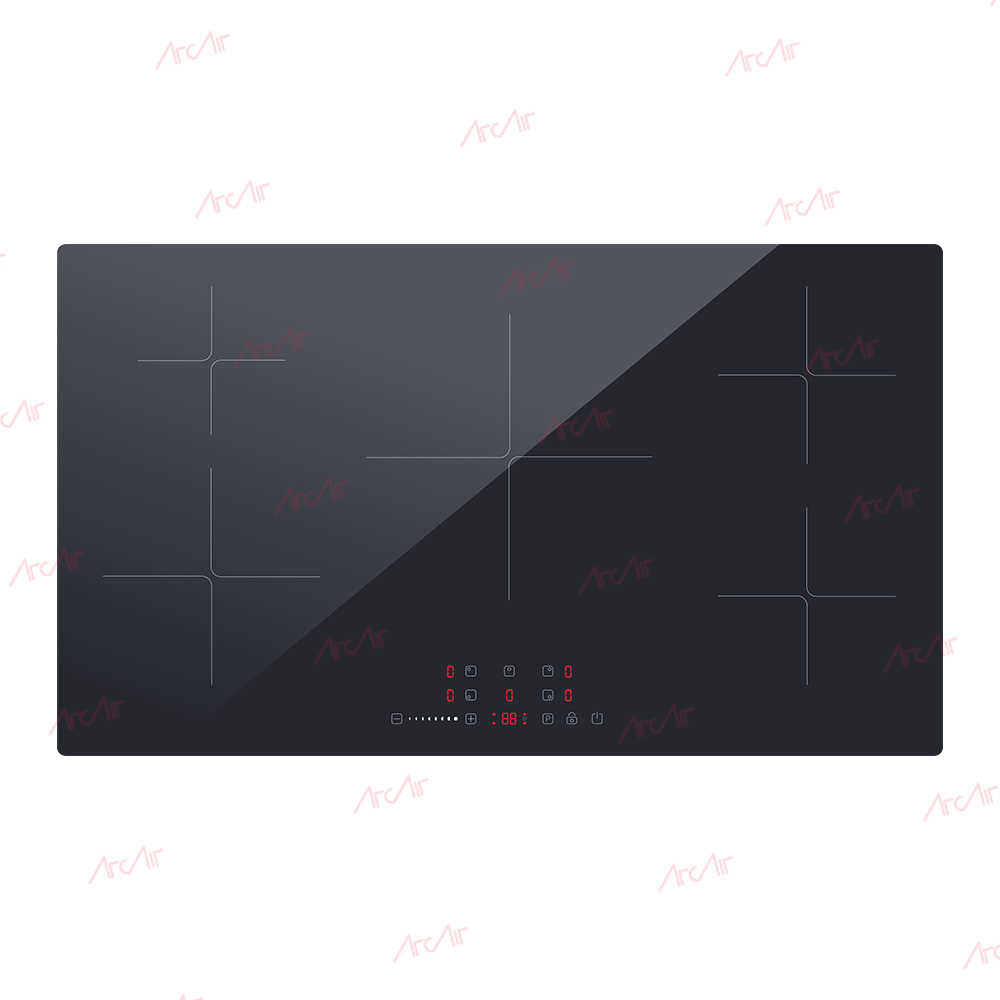
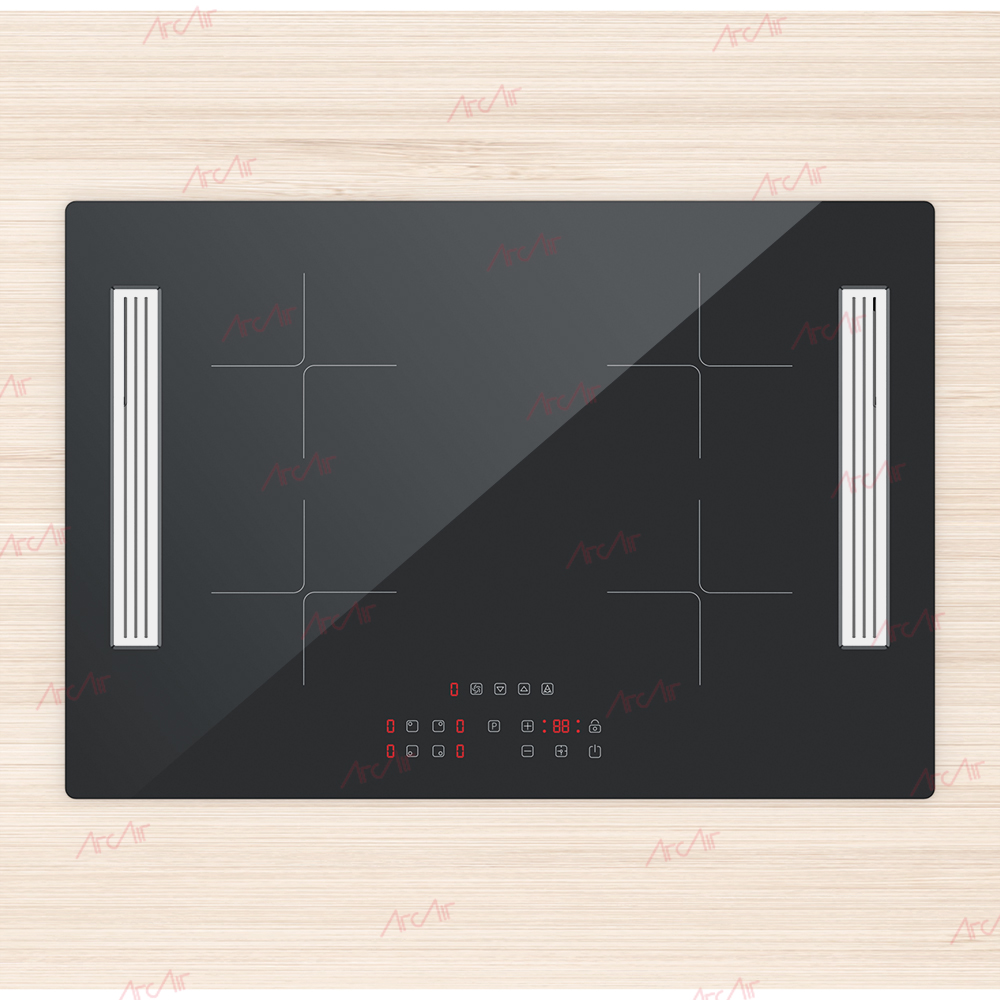
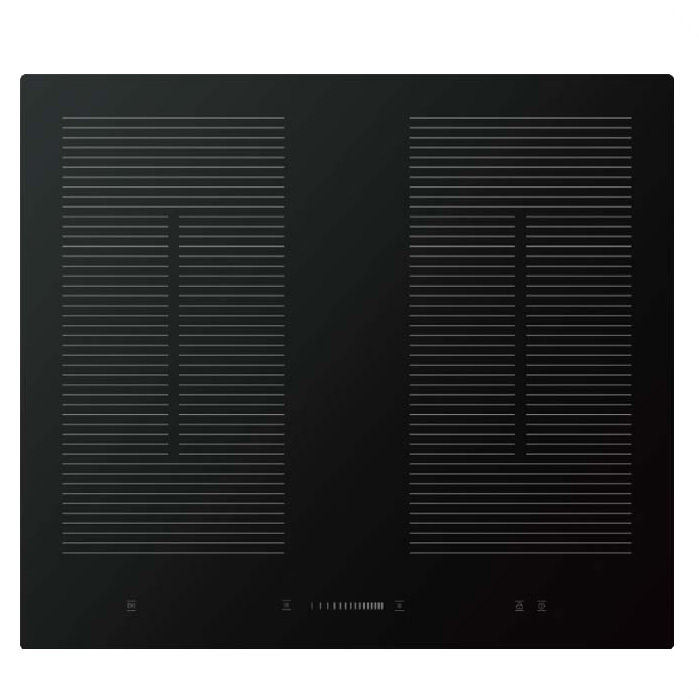
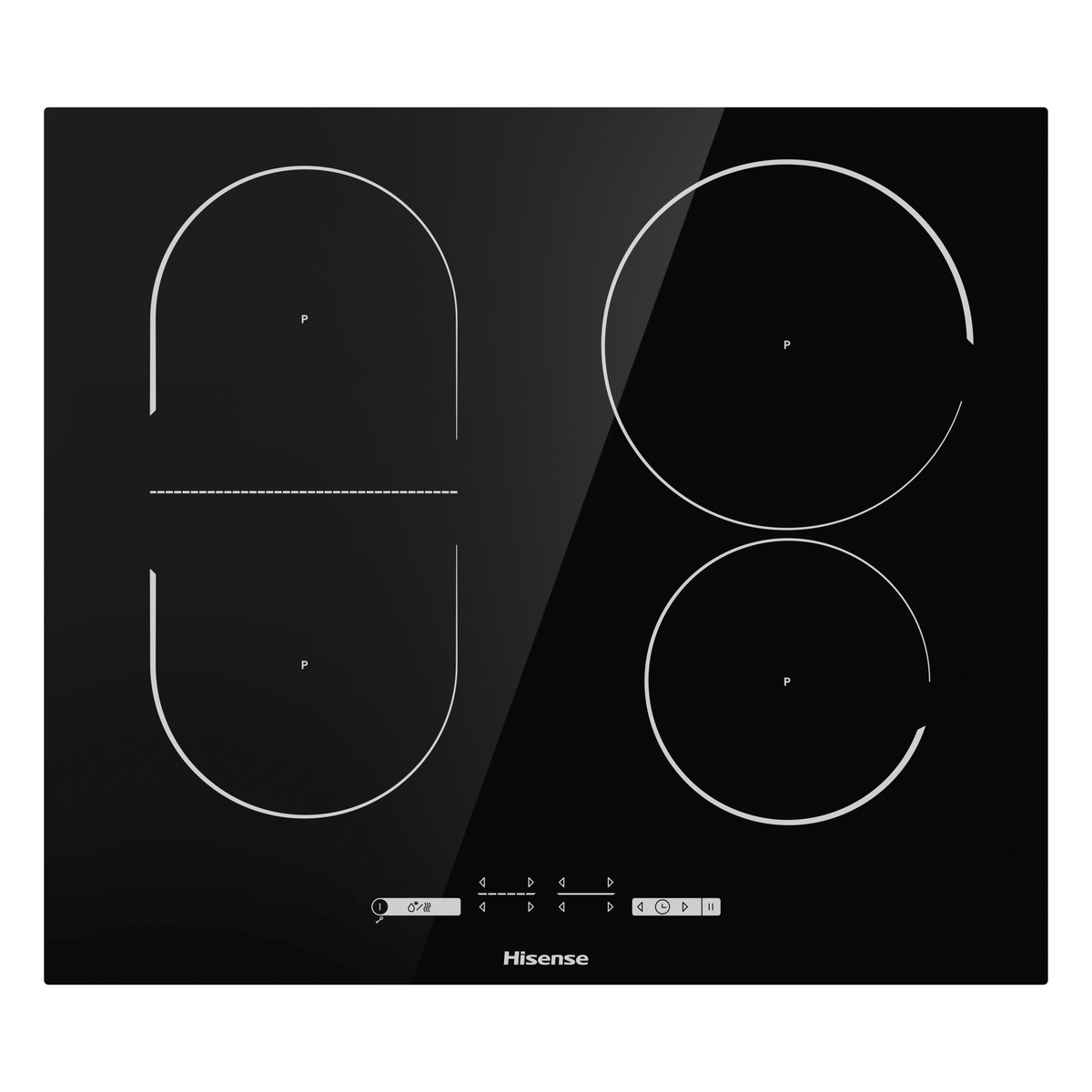
Induction Cooktops
Source commercial and residential induction cooktops directly from vetted manufacturers and suppliers. This category is built for importers, wholesale distributors, and appliance brands seeking bulk procurement or custom OEM/private-label production. Partner with top-tier factories to secure reliable quality and scalable manufacturing.
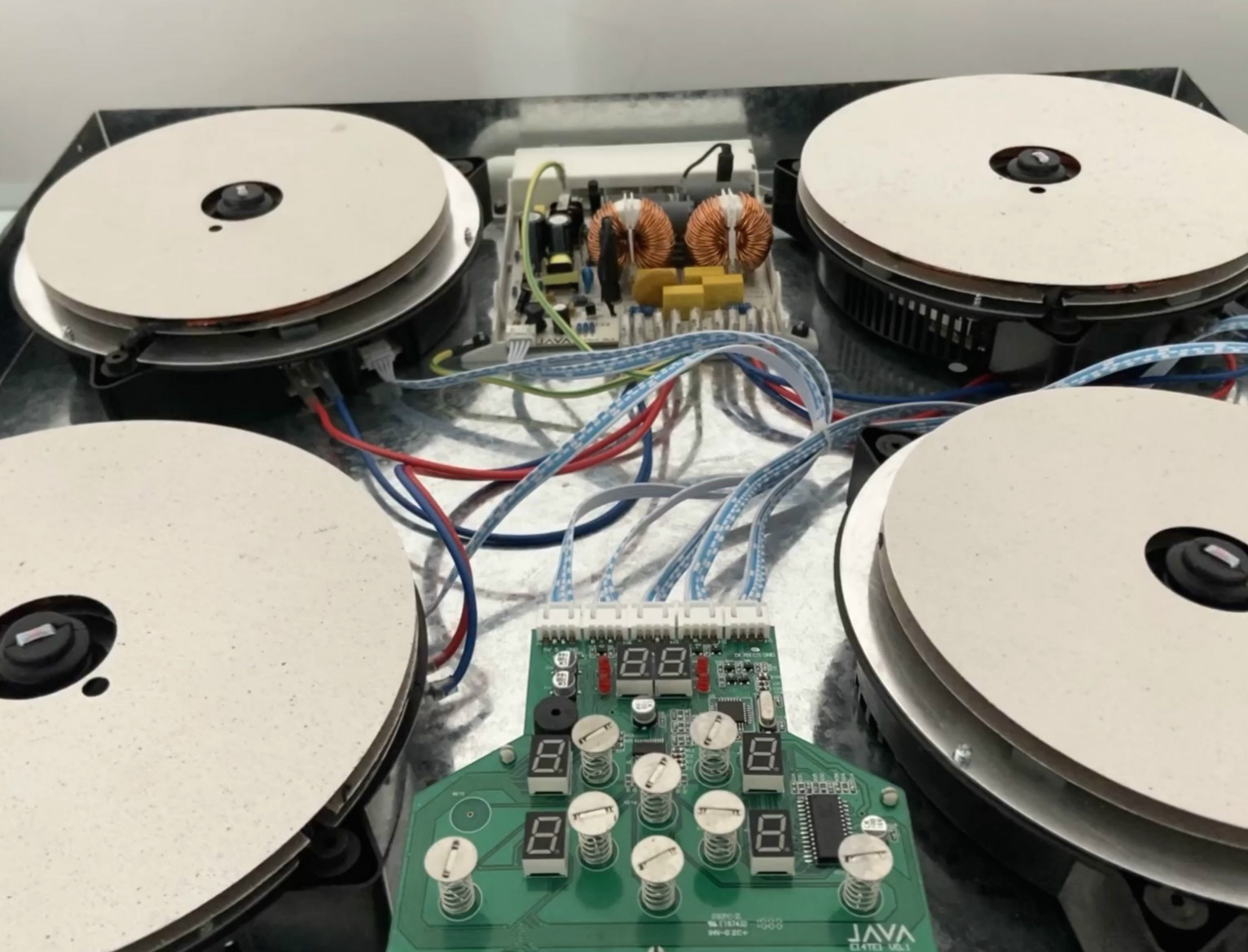
Sourcing induction cooktops at scale requires navigating complex electrical engineering standards, heat dissipation requirements, and stringent safety certifications. For high-volume buyers, distributors, and appliance brands, the core challenge is identifying factory partners who maintain strict tolerances on internal components. A visually flawless glass exterior can easily hide under-spec copper coils or subpar thermal management, leading to high failure rates in the field.
Critical Components in Induction Manufacturing
The lifespan and efficiency of an induction cooktop depend entirely on the quality of its internal architecture. When negotiating specifications with manufacturers, buyers must explicitly define the bill of materials (BOM) for the following components.
| Component | Standard / Budget Build | Premium / OEM Build |
|---|---|---|
| IGBT (Transistor) | Generic domestic brands | Infineon (Germany) or equivalent |
| Heating Coil | Copper-clad aluminum (CCA) or sparse winding | Dense, 100% pure copper winding |
| Surface Panel | Standard black crystal glass (Grade B/C) | Schott Ceran or EuroKera ceramic glass |
| Cooling System | Single AC fan, standard heat sink | Dual brushless DC fans, oversized aluminum heat sink |
Specifying premium components directly impacts your unit cost, but it drastically reduces RMA rates. If you are developing a proprietary product line, leveraging established OEM/ODM Services ensures your custom specifications and tooling are executed exactly to your brand's standards.
Struggling to verify factory component claims? Let our engineers review your supplier's BOM and production capabilities.
Talk to our teamManufacturing Quality Control & Compliance
The primary failure points in induction cooktops are thermal overload and electronic control board (PCB) failure. Managing these risks requires active oversight on the factory floor, long before the units are packed for shipping.
Key In-Line Inspection Points
- PCB Soldering: Check for cold solder joints or flux residue which can cause shorts under heavy load.
- Thermal Paste Application: Ensure uniform application between the IGBT and the aluminum heat sink.
- Coil Mounting: Verify that the copper coil is securely mounted with adequate spacing from the glass panel to prevent thermal shock.
- High-Pot Testing: Mandatory high-voltage testing to ensure proper grounding and electrical insulation.
Because induction cooktops draw significant amperage, regulatory compliance is non-negotiable. Units destined for North America typically require UL or ETL certification, along with FCC compliance for electromagnetic interference. European markets demand CE, CB, and RoHS. Partnering with a sourcing team that understands Compliance & Testing ensures your products won't be held up at customs or face retail rejection.
Furthermore, implementing rigorous Quality Control & Inspection protocols—including pre-shipment inspections and accelerated life testing—is essential to catch thermal management defects before container loading.
Pricing, MOQs, and Lead Times
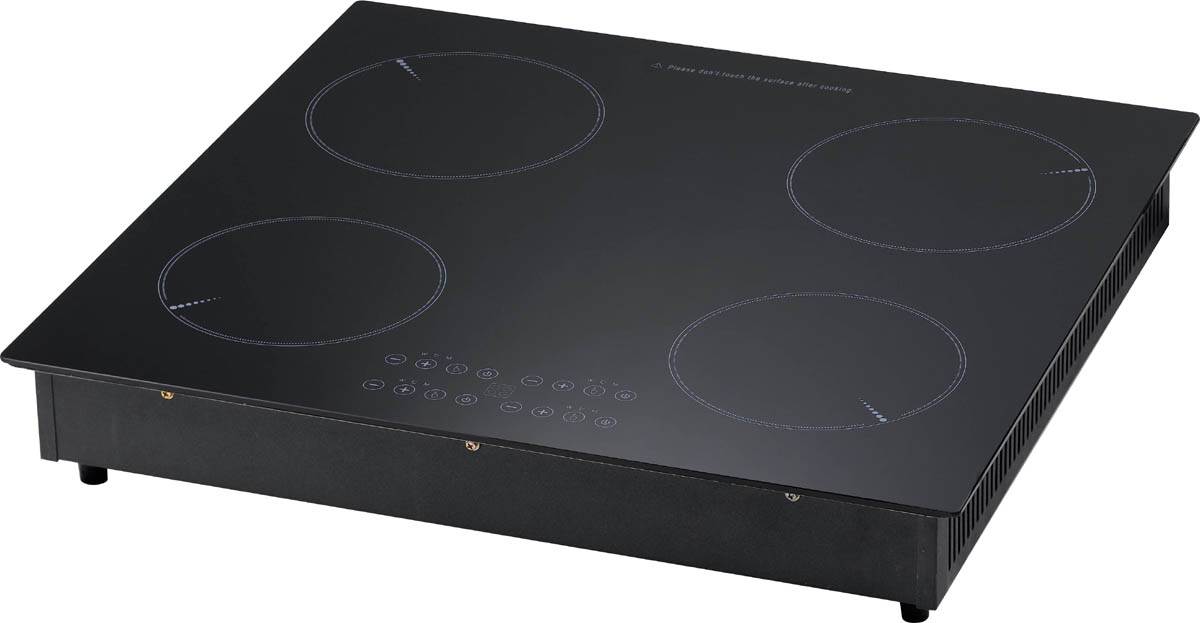
The induction cooktop market is highly segmented by power output (wattage), number of burners (zones), and control interface (touch vs. knob).
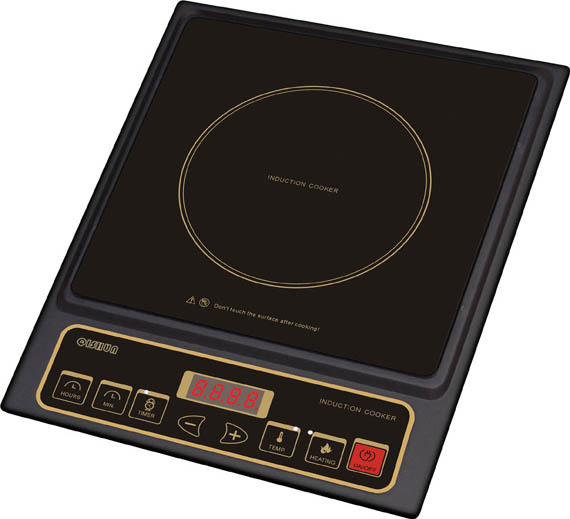
Pricing is highly volatile based on the cost of raw copper and the origin of the glass-ceramic panel. A single-zone portable induction cooker can wholesale for under $15, while a built-in, four-zone residential unit with German glass and premium IGBTs can easily exceed $150 per unit at the factory gate.
Need accurate pricing for your next appliance order? We can benchmark quotes across a network of vetted induction manufacturers.
Get a free consultationFrequently Asked Questions
Successfully importing induction cooktops requires moving beyond superficial aesthetics to rigorously manage the electrical and thermal engineering of the product. By conducting thorough Factory Audits and locking down your component specifications, you can build a highly profitable, reliable appliance line.
Get Sourcing Help for Induction Cooktops
Tell us your requirements and our experts will connect you with verified manufacturers.