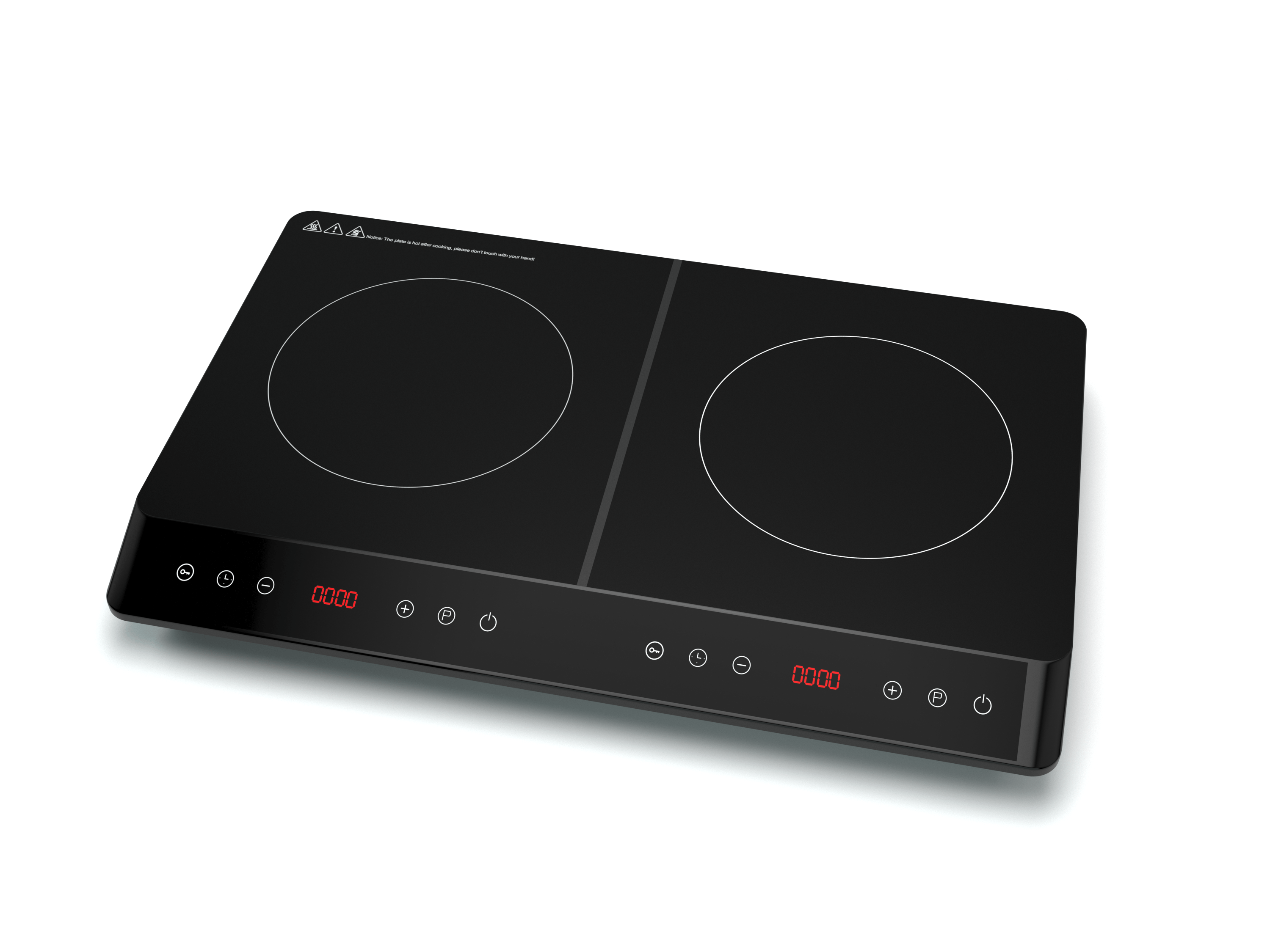
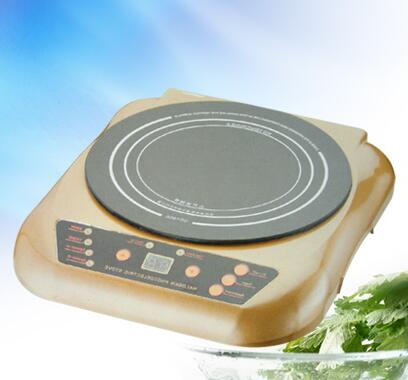
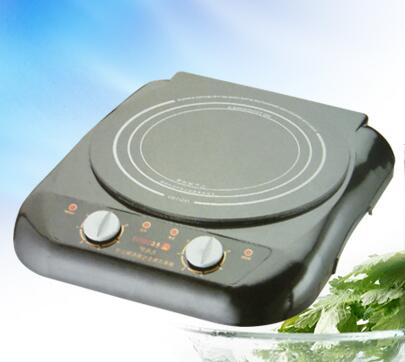
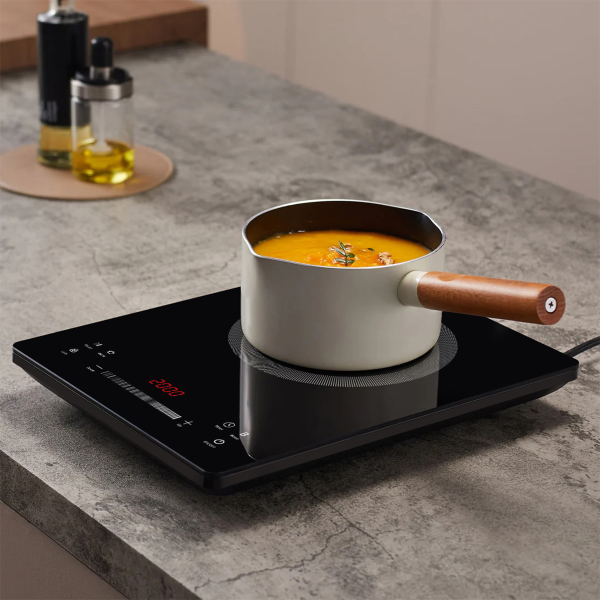
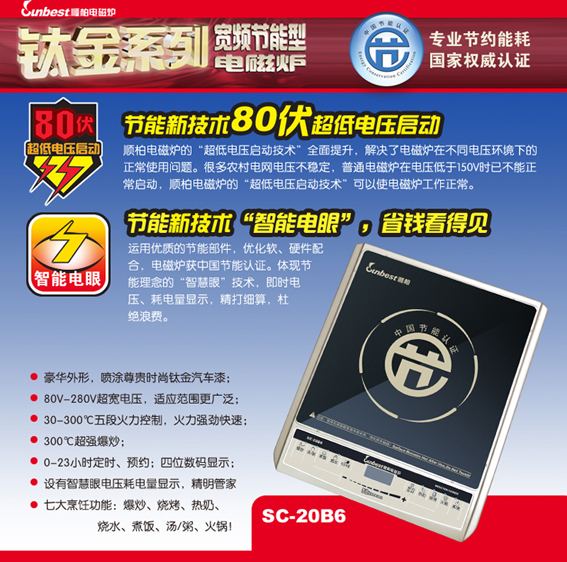
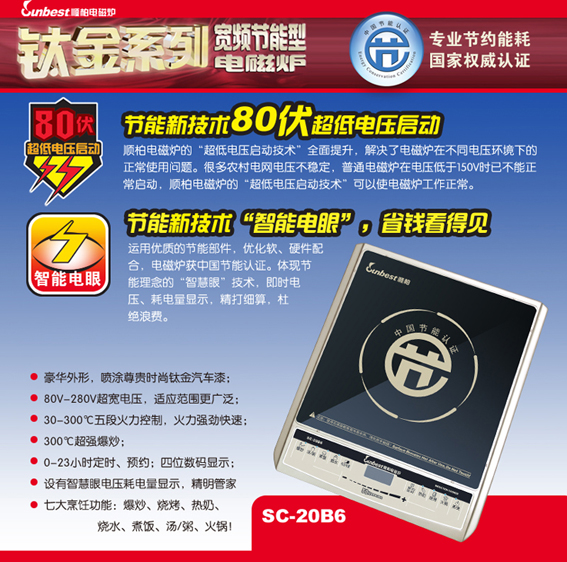
Induction Cookers
Source premium Induction Cookers from vetted manufacturers and suppliers across Asia. Designed for importers, wholesalers, and appliance brands looking for reliable wholesale purchasing or custom OEM/ODM production, our verified network delivers scalable manufacturing, rigorous compliance, and competitive factory-direct pricing.
Sourcing induction cookers at scale requires balancing thermal efficiency, component longevity, and strict market compliance. The core challenge isn't just finding a factory that can assemble a hotplate; it's securing a supply chain that uses reliable insulated-gate bipolar transistors (IGBTs), pure copper coils, and durable microcrystalline glass panels without cutting corners during mass production.
Component Specifications That Drive Quality
The lifespan and performance of an induction cooker are dictated entirely by its internal architecture. Factories competing solely on price will frequently substitute critical internal components, leading to high failure rates and potential safety hazards. When defining your product specifications, particularly if utilizing OEM/ODM services for private label production, you must explicitly mandate the quality of three core components.
| Component | Budget / Standard Specification | Premium / Commercial Specification |
|---|---|---|
| IGBT (Transistor) | Domestic equivalent brands (prone to thermal failure) | Infineon or Siemens (high durability and heat tolerance) |
| Heating Coil | Copper-clad aluminum (CCA) or sparse copper winds | Dense, thick pure copper (maximum magnetic induction) |
| Glass Panel | Grade B or C ceramic (scratches easily, lower heat shock resistance) | Grade A microcrystalline or Schott Ceran (superior thermal shock rating) |
| Cooling System | Single low-RPM brushless fan | Dual high-RPM fans with oversized aluminum heat sinks |
The Copper-Clad Aluminum (CCA) Trap
Many budget suppliers will quote a low price by substituting pure copper heating coils with copper-clad aluminum (CCA). CCA coils have higher electrical resistance, generate excess internal heat, and significantly reduce the appliance's lifespan. Always specify pure copper coils in your purchase agreements.
Ensure your appliance specifications are engineered for longevity and market compliance.
Talk to our teamManufacturing Vulnerabilities and Quality Control
Induction cookers are high-current devices. A failure in assembly doesn't just result in a dead unit; it can cause electrical shorts or fires. Quality is won or lost in the soldering of the Printed Circuit Board (PCB) and the assembly of the thermal management system.
Implementing rigorous quality control and inspection protocols during the in-line assembly phase is critical. Pre-shipment inspections alone often miss internal assembly flaws that only manifest after weeks of use.
Critical Factory-Floor Inspection Points
- PCB Soldering: Check for cold solder joints, excess flux residue, and secure mounting of the IGBT to the heat sink.
- Thermal Paste Application: Ensure even, adequate coverage between the IGBT and the aluminum heat sink to prevent overheating.
- Hi-Pot Testing: Verify high-voltage breakdown resistance with leakage current under 5mA.
- Earth Continuity: Mandatory for any commercial or stainless-steel housed units to ensure user safety.
- Panel Sealing: Inspect the silicone sealant around the glass panel for gaps that could allow liquid ingress into the chassis.
Compliance and Regulatory Testing
Electrical appliances face strict regulatory barriers. Customs authorities and major retailers require verified test reports from recognized laboratories. Do not rely on a factory's generic CE or UL marks, as these are frequently outdated, apply to different models, or are entirely fabricated.
Managing compliance and testing through accredited third-party labs ensures your shipment won't be seized at the port or rejected by your distribution partners.
Production Economics: MOQs, Lead Times, and Pricing
Understanding the cost drivers and typical production mechanics will help you negotiate effectively and plan your supply chain.
- Minimum Order Quantities (MOQs): Typical MOQs for OEM induction cookers range from 1,000 to 2,000 units per model. This is largely driven by the minimum batch sizes required by the PCB manufacturers and the glass panel suppliers. If you require a custom plastic injection mold for a unique housing, MOQs often start at 3,000 units to amortize the tooling costs.
- Lead Times: Standard production lead times run between 35 and 45 days after deposit and artwork approval. During peak manufacturing seasons (pre-Lunar New Year or Q3 holiday rushes), expect this to extend to 60 days.
- Pricing Drivers: Beyond the IGBT and coil material, wattage is the primary price driver. A true 2000W unit requires a more robust PCB and larger heat sink than a 1500W unit. Additionally, the control interface (capacitive touch vs. mechanical push-button) and housing material (stainless steel vs. ABS plastic) significantly impact the final unit cost.
Optimize your procurement strategy and negotiate better terms with verified appliance manufacturers.
Get a free consultationFrequently Asked Questions
Navigating the induction cooker supply chain requires technical vigilance and a firm grasp of electrical manufacturing standards. By defining strict component specifications and enforcing rigorous in-line quality controls, you can secure reliable, high-performing appliances that protect your brand's reputation and bottom line.
Get Sourcing Help for Induction Cookers
Tell us your requirements and our experts will connect you with verified manufacturers.