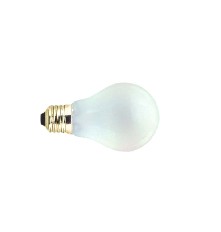
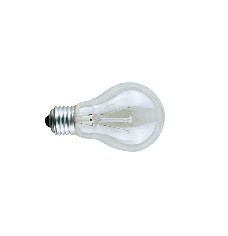
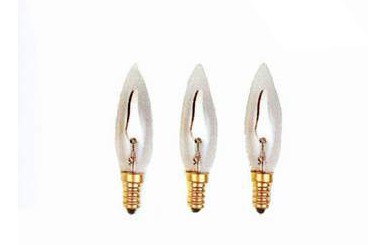
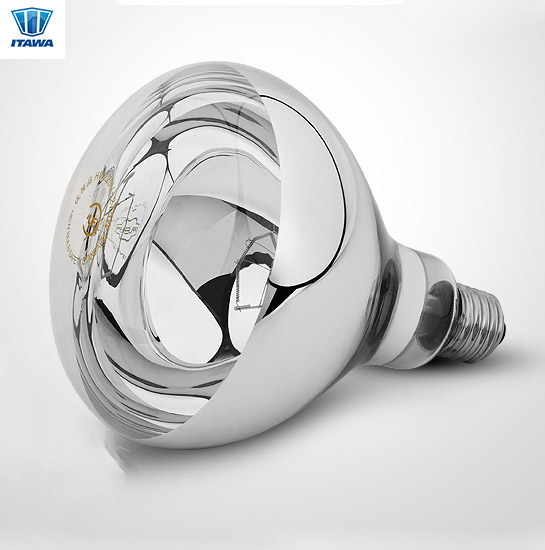
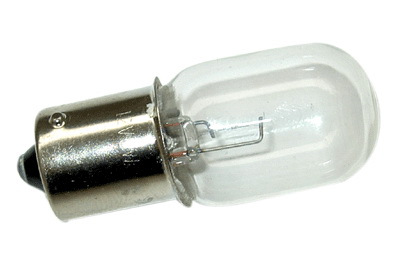
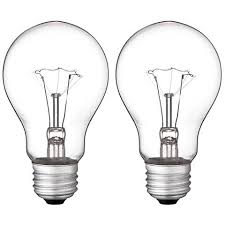
Incandescent Bulbs
Source high-quality incandescent bulbs directly from vetted manufacturers and suppliers. This catalog is designed for importers, wholesalers, and lighting brands seeking reliable bulk production, OEM customization, and private-label manufacturing. Explore factory-direct pricing and stringent quality control for your volume orders.
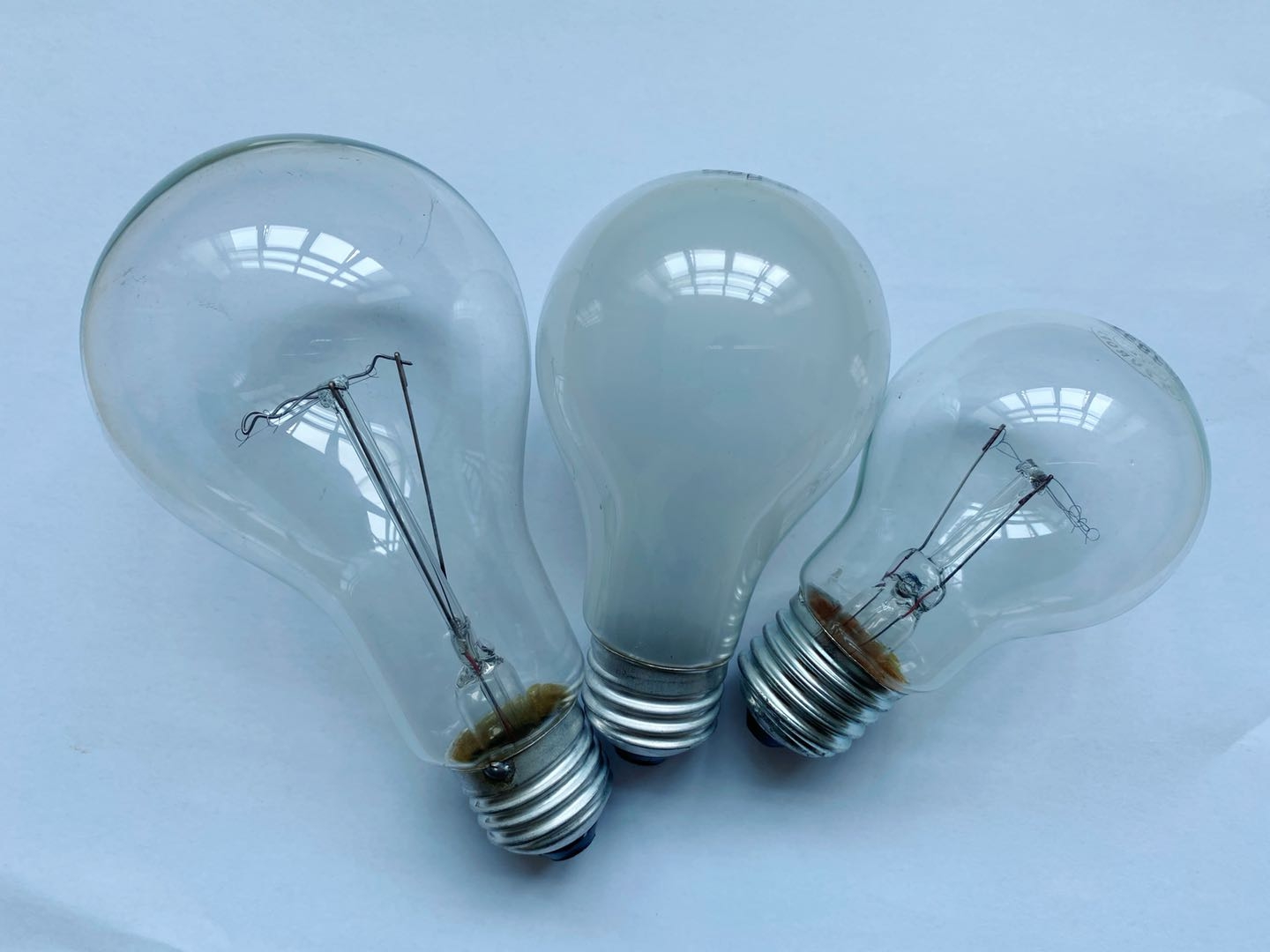
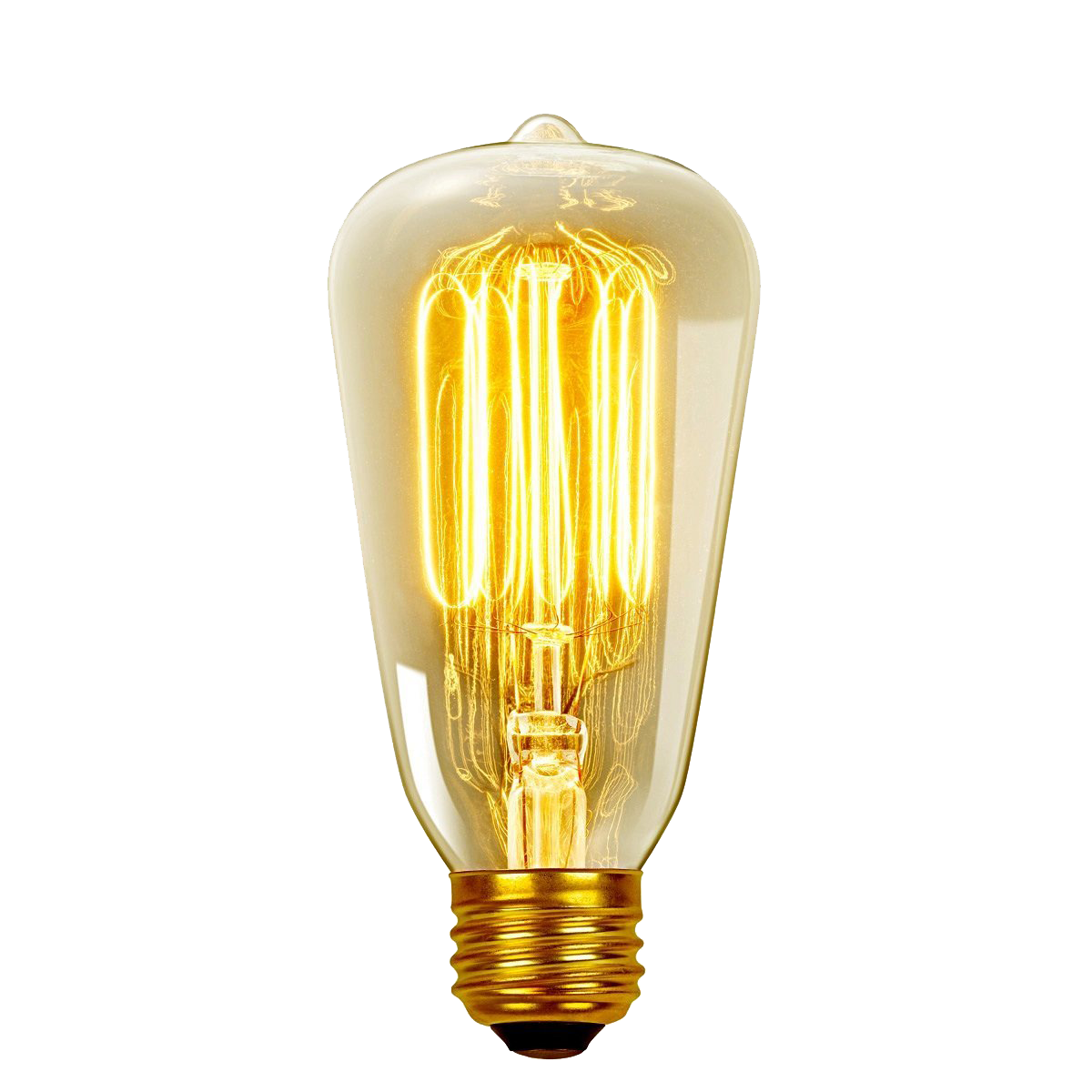
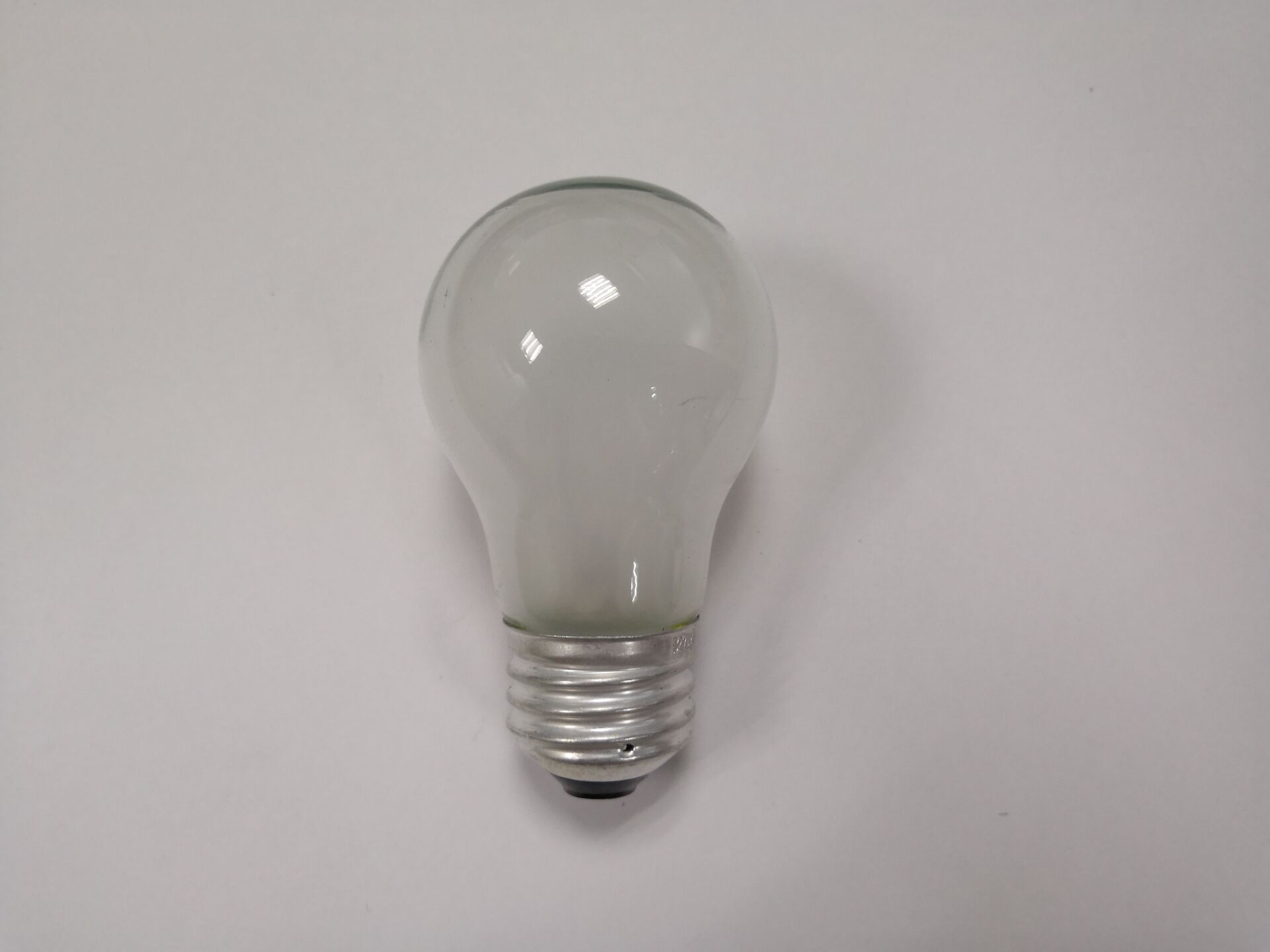
While general-service incandescent lighting has been heavily restricted or phased out in many global markets, the demand for specialty incandescent bulbs remains robust. Industrial buyers, appliance manufacturers, and decorative lighting brands still require steady supply chains for rough service lamps, oven bulbs, heat lamps, and vintage-style Edison bulbs. Sourcing these products in volume today means navigating a shrinking pool of qualified factories and ensuring strict adherence to regulatory exemptions.
Navigating Incandescent Specifications
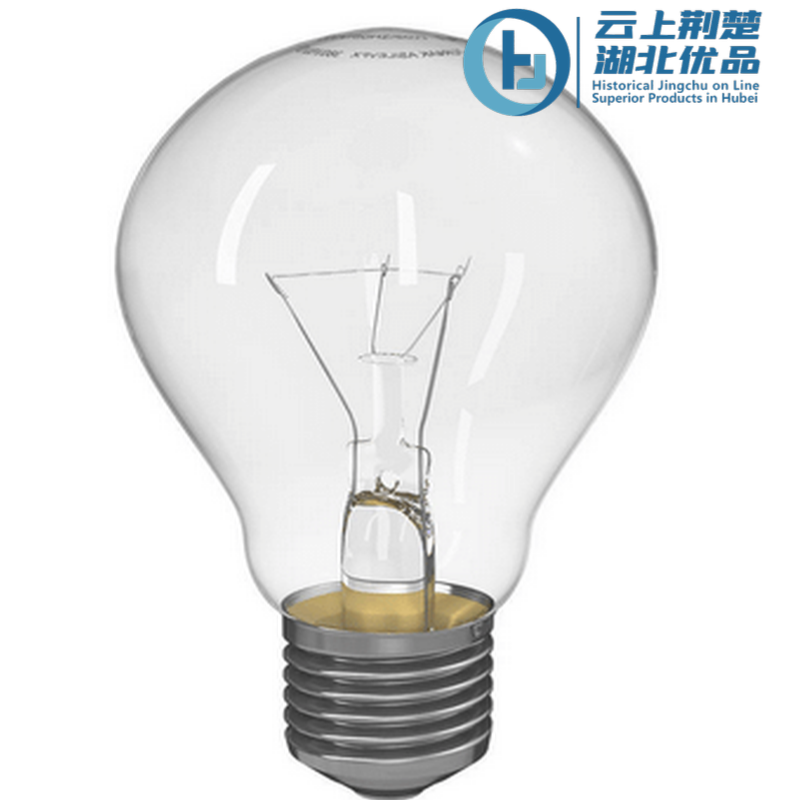
When buying incandescent bulbs in bulk, the technical specifications dictate both the application suitability and the regulatory classification of the product. The core of an incandescent bulb is its tungsten filament, but the surrounding environment and structural support are what determine its lifespan and performance.
Filament Architecture and Gas Fills
The operating temperature of the tungsten filament determines the color temperature and luminous efficacy. To prevent rapid tungsten evaporation—which leads to bulb blackening and premature failure—manufacturers use specific internal environments.
| Internal Environment | Typical Applications | Key Characteristics |
|---|---|---|
| Vacuum | Appliance bulbs, low-wattage decorative (under 40W) | Minimal heat convection; protects filament but allows gradual tungsten evaporation. |
| Gas-Filled (Argon/Nitrogen) | Rough service, industrial, higher wattage (over 40W) | Inert gas pressure suppresses tungsten evaporation, allowing higher operating temperatures and longer life. |
| Krypton/Xenon Fill | Premium specialty, compact high-output | Heavier gas molecules provide superior thermal insulation and extended filament life, at a higher cost. |
Structural Integrity for Specialty Applications
For rough service and vibration-resistant bulbs, the internal support structure is critical. Standard bulbs typically use two or three support wires for the filament. True rough service bulbs require five to seven supports to prevent the filament from breaking under mechanical stress. When negotiating with suppliers, you must specify the exact number of molybdenum support wires required for your application.
Struggling to find a manufacturer that meets exact rough-service specifications? Our engineering team can help you source and verify the right factory.
Discuss your technical requirementsManufacturing Quality Control
Incandescent bulb manufacturing is a highly automated, high-speed process. While this drives down unit costs, it also means that a single machine calibration error can ruin thousands of units before it is caught.
A common failure point is the glass-to-metal seal at the base of the bulb. If the coefficient of thermal expansion between the glass stem and the lead-in wires (typically a copper-clad nickel-iron alloy called Dumet) is mismatched, micro-cracks will form. These cracks compromise the vacuum or gas fill, leading to instant filament oxidation and failure upon first use.
Implementing rigorous Quality Control & Inspection protocols is non-negotiable.
Critical Pre-Shipment Inspection Checks
- Base torsion strength testing to ensure the metal base does not separate from the glass envelope during installation.
- Visual inspection for micro-cracks around the Dumet wire seals.
- Vibration testing for rough service and appliance bulbs.
- Wattage draw verification to ensure compliance with stated specifications and regulatory limits.
- Photometric testing for initial lumen output and color temperature consistency.
Regulatory Compliance and Market Access
The most significant hurdle in sourcing incandescent bulbs today is market legality. The US Department of Energy (DOE), the EU's Ecodesign Directive, and similar regulatory bodies globally have strict lumens-per-watt requirements that most incandescent bulbs cannot meet.
However, specific exemptions exist. To successfully import these products, your documentation, packaging, and product specifications must align perfectly with these exempt categories (e.g., appliance lamps, plant light lamps, traffic signals, or specific decorative shapes). Engaging in thorough Compliance & Testing before mass production ensures your shipment will not be seized at customs. Furthermore, if you are developing a brand around exempt decorative lighting, utilizing OEM/ODM Services can ensure your packaging clearly communicates the intended, compliant use-case to end consumers and regulators alike.
MOQs, Lead Times, and Pricing Dynamics
Because the production lines for glass envelopes and automated assembly are designed for continuous operation, factories require significant volume to justify a production run.
Pricing is driven by the complexity of the filament mount, the type of gas fill, and the thickness of the glass envelope. Custom glass shapes or specialized bases (like intermediate E17 or candelabra E12) will push MOQs toward the higher end of the spectrum and increase lead times due to retooling.
Need accurate pricing and lead times for a specific specialty bulb? We can leverage our network to provide realistic quotes for your exact volume.
Get a free consultationFrequently Asked Questions
Sourcing incandescent lighting today requires a precise understanding of legacy manufacturing techniques and modern regulatory frameworks. Partnering with a specialized sourcing team ensures you secure reliable factory capacity while mitigating the significant compliance risks inherent in this category.
Get Sourcing Help for Incandescent Bulbs
Tell us your requirements and our experts will connect you with verified manufacturers.