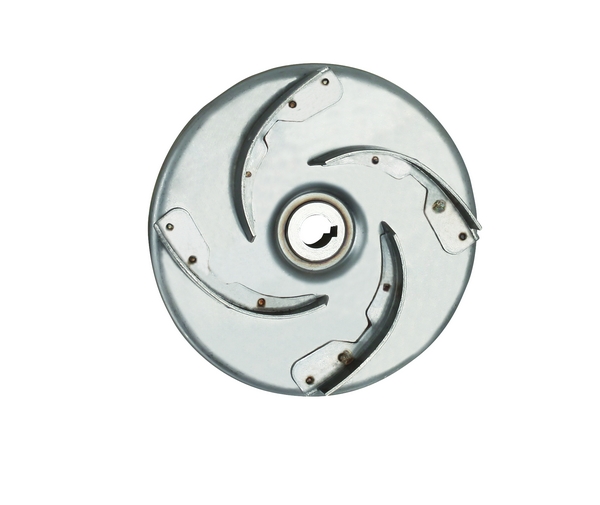
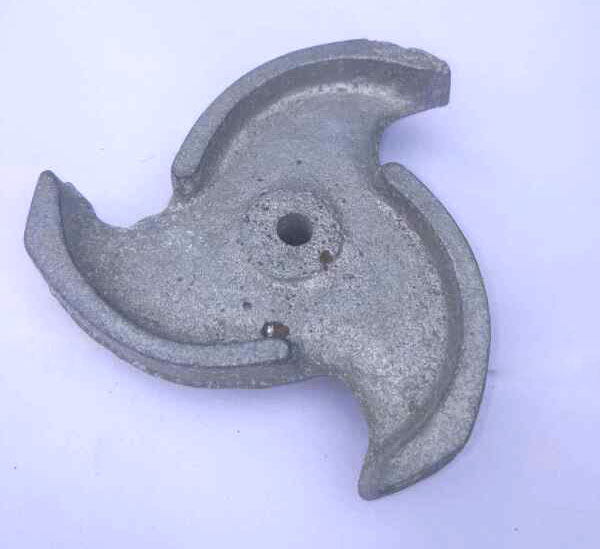
Impellers
Source high-quality impellers from vetted manufacturers and suppliers across Asia. Designed for wholesale distributors, procurement managers, and brands seeking reliable OEM production, our network delivers precision-engineered pump components in bulk. Partner with us for competitive pricing and strict quality assurance.
Procuring impellers in commercial volumes requires balancing material costs with exacting dimensional and dynamic tolerances. Whether you are sourcing replacement parts for standard centrifugal pumps or commissioning custom profiles for specialized fluid handling, the margin for error is zero. A poorly balanced or improperly cast impeller leads to rapid bearing wear, cavitation, and catastrophic pump failure. Successfully navigating the Asian supply chain means identifying foundries and injection molding facilities that actually possess the testing infrastructure they claim to have.
Critical Specifications for Impeller Production
When communicating with a manufacturer, vague specifications lead to inconsistent batches. Facilities need precise engineering data to determine tooling costs and production methods. If you are utilizing OEM/ODM Services to develop a proprietary design, your technical data package must explicitly define the following:
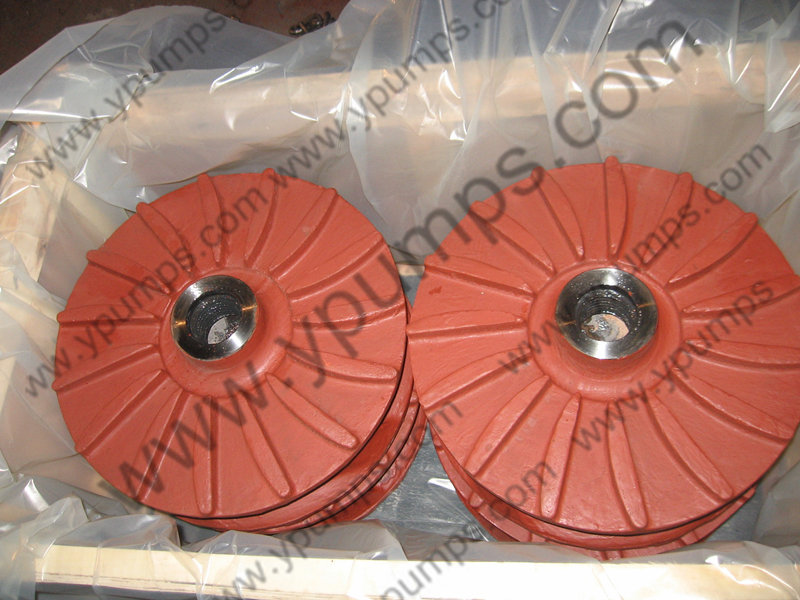
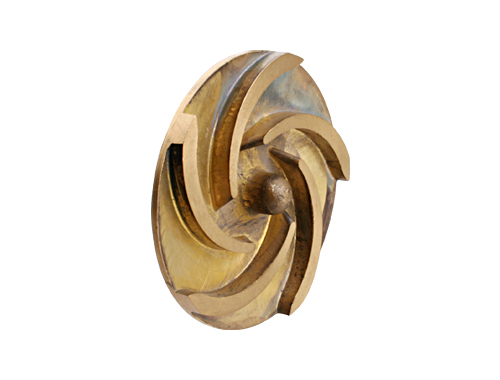
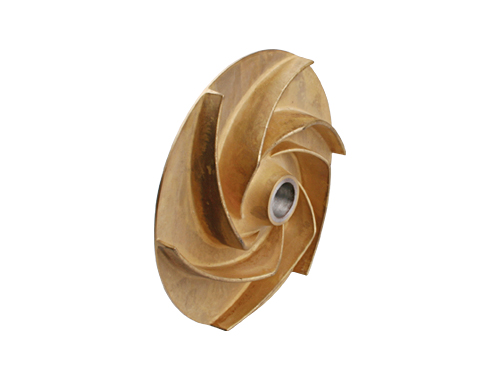
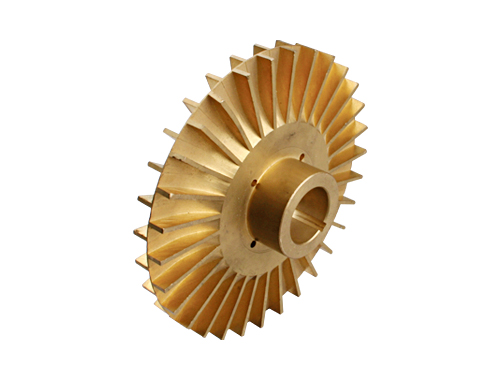
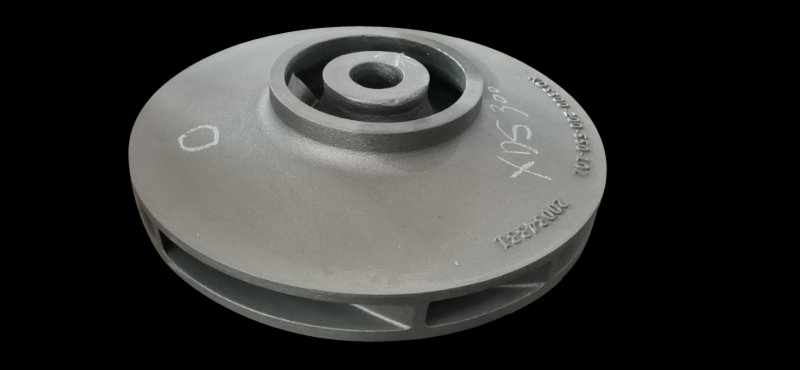
- Vane Geometry: Open, semi-open, or closed. Closed impellers require more complex coring during casting, which directly impacts defect rates and tooling costs.
- Dimensional Tolerances: Outer diameter (OD), bore size, and keyway dimensions. Ensure your supplier understands the required fit (e.g., interference or clearance fit) for the motor shaft.
- Dynamic Balancing Grade: Typically specified to ISO 1940 standards. For standard industrial pumps, G6.3 is common, while high-speed applications may require G2.5.
- Surface Finish (Ra): Internal surface roughness directly affects hydraulic efficiency. Specify acceptable Ra values, especially for the internal flow passages of closed impellers.
| Material | Common Applications | Manufacturing Challenge |
|---|---|---|
| Cast Iron (HT200/250) | Water supply, HVAC, standard industrial | Heavy weight, prone to surface oxidation if untreated |
| Stainless Steel (304/316) | Chemical processing, food & beverage, marine | High machining costs, risk of porosity in complex castings |
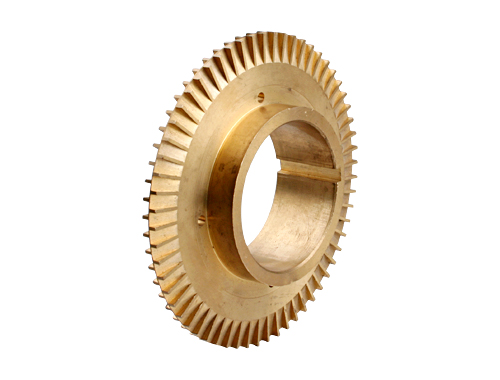
| Bronze / Brass | Seawater cooling, volatile fluid handling | Fluctuating raw material costs, requires precise temperature control |
| Engineered Plastics (PPO/Noryl) | Residential water pumps, pool pumps | Tooling wear, maintaining dimensional stability during cooling |
Manufacturing Methods and Quality Vulnerabilities
The manufacturing method is dictated by the material and the required volume. High-volume plastic impellers rely on injection molding, where the primary risks are warping and flash. Metal impellers are typically produced via sand casting (for large, heavy industrial units) or investment casting (lost wax) for smaller, high-precision stainless steel components.
The greatest vulnerability in metal impeller production is internal porosity—microscopic voids in the casting that weaken the structure and disrupt dynamic balancing.
Experiencing high defect rates or balancing issues with your current supplier? We can match your requirements with audited, high-precision foundries.
Talk to our teamCatching defects requires rigorous Quality Control & Inspection before the components leave the factory floor.
Critical Factory QC Checks
- Spectrometer analysis of raw material melt prior to casting.
- Dynamic balancing verification on calibrated balancing machines.
- CMM (Coordinate Measuring Machine) verification of bore and keyway dimensions.
- X-ray or destructive testing on batch samples to check for internal porosity.
- Concentricity and runout testing to prevent shaft vibration.
MOQs, Lead Times, and Pricing Dynamics
Pricing for impellers is heavily influenced by global raw material indices (especially for copper alloys and nickel), the complexity of the tooling, and the required balancing grade. Foundries typically base their Minimum Order Quantities (MOQs) on the furnace melt capacity or the economics of the tooling setup.
When assessing a new supplier's pricing, be wary of quotes that fall significantly below the market average for the raw material weight. This often indicates the use of lower-grade scrap metal or skipped dynamic balancing steps. Conducting thorough Factory Audits is essential to verify that a supplier has the actual machining and testing equipment in-house, rather than subcontracting to unverified lower-tier workshops.
Need to negotiate better terms or verify a new factory's capabilities? Let our sourcing experts handle the heavy lifting.
Get a free consultationFrequently Asked Questions
Final Thoughts on Impeller Procurement
Sourcing industrial impellers is a strict exercise in supplier verification and quality assurance. The cost of a failed impeller in the field far outweighs the savings of a slightly cheaper unit price. Success requires partnering with facilities that understand fluid dynamics, possess modern casting and machining capabilities, and enforce rigorous balancing protocols. Professional oversight on the ground ensures your specifications translate into reliable, high-performance components.
Get Sourcing Help for Impellers
Tell us your requirements and our experts will connect you with verified manufacturers.