Image and Camera Sensors
Source high-performance image and camera sensors from vetted suppliers and manufacturers across Asia. Designed for electronics importers, distributors, and brands seeking reliable OEM/ODM production, our wholesale catalog offers scalable solutions for consumer, industrial, and automotive optical applications.
Sourcing image and camera sensors at scale requires navigating a complex supply chain dominated by a few major silicon foundries and numerous secondary packaging facilities. The primary challenge for volume buyers isn't just securing component allocations, but ensuring that the sensors packaged by tier-two factories meet strict yield, optical clarity, and interface standards without falling victim to grey-market rejects or downgraded silicon.
Critical Specifications for Volume Sourcing
When defining your bill of materials (BOM), the sensor die is only half the equation. The packaging, micro-lens array, and interface protocol dictate how easily the component integrates into your final product.
| Specification | Consumer / IoT Grade | Industrial / Auto Grade |
|---|---|---|
| Pixel Size | 1.12 to 1.4 microns | 2.9 to 3.0+ microns |
| Dynamic Range | Standard (up to 70 dB) | High Dynamic Range (over 100 dB) |
| Data Interface | MIPI CSI-2 (2-lane), DVP | MIPI CSI-2 (4-lane), FPD-Link |
| Operating Temp | -20 to 70 Celsius | -40 to 105 Celsius |
Beyond resolution (megapixels), buyers must specify the chief ray angle (CRA) to ensure compatibility with their chosen lens assembly. A mismatch here results in color shading and vignetting at the image edges.
Need help securing authentic sensor allocations and verifying factory capabilities? Merhein manages the technical sourcing process from end to end.
Talk to our teamManufacturing Tolerances and Quality Control
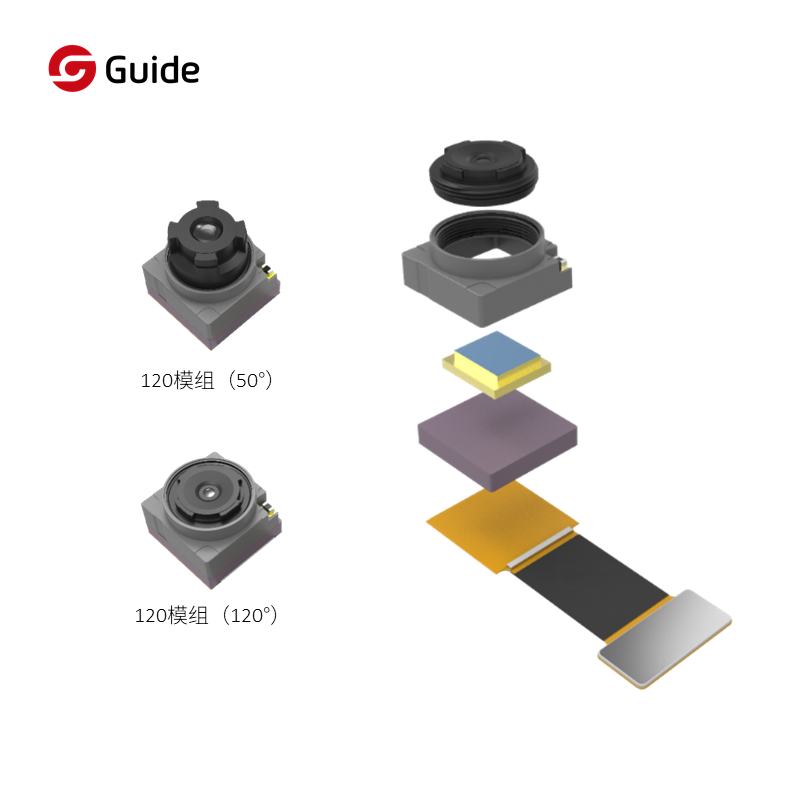
Image sensors are highly sensitive to particulate contamination during the packaging process (such as Chip-on-Board or Chip Scale Packaging). A single dust particle on the sensor glass can ruin the optical performance of the entire module.
Because packaging happens at specialized assembly houses rather than the original silicon foundry, conducting rigorous factory audits is essential. You must verify that the supplier operates at least an ISO Class 5 cleanroom for die bonding and glass attachment.
Essential QC Checks for Camera Sensors
- Dead and stuck pixel counts (must fall within specified A/B grade limits).
- Sensor tilt and optical center alignment relative to the PCB/FPC.
- Dark current and read noise levels at maximum operating temperatures.
- Lens shading calibration and color crosstalk testing.
Implementing strict quality control protocols before the sensors are shipped prevents costly rework during your final product assembly.
Pricing, MOQs, and Lead Times
The cost of an image sensor is primarily driven by the origin of the silicon die (e.g., Sony, OmniVision, GalaxyCore) and the complexity of the flexible printed circuit (FPC).
If your product requires a unique form factor or custom lens mount, engaging in OEM/ODM services allows you to tailor the FPC layout and connector type. Keep in mind that custom tooling for FPCs will require upfront NRE (Non-Recurring Engineering) fees, though these are typically negligible when amortized over volume orders.
Frequently Asked Questions
Securing reliable image and camera sensors requires looking past the spec sheet to validate the packaging environment and test protocols of the assembly factory. By tightening your quality standards and verifying factory compliance, you protect your production line from catastrophic yield drops. If you need boots on the ground to manage supplier vetting and technical negotiations, our team is ready to assist.
Get Sourcing Help for Image and Camera Sensors
Tell us your requirements and our experts will connect you with verified manufacturers.