Ignition
Source premium automotive ignition components from vetted manufacturers and suppliers. Designed for auto parts importers, wholesale distributors, and aftermarket brands seeking reliable OEM and private-label production in bulk. Secure competitive pricing and reliable supply chains.
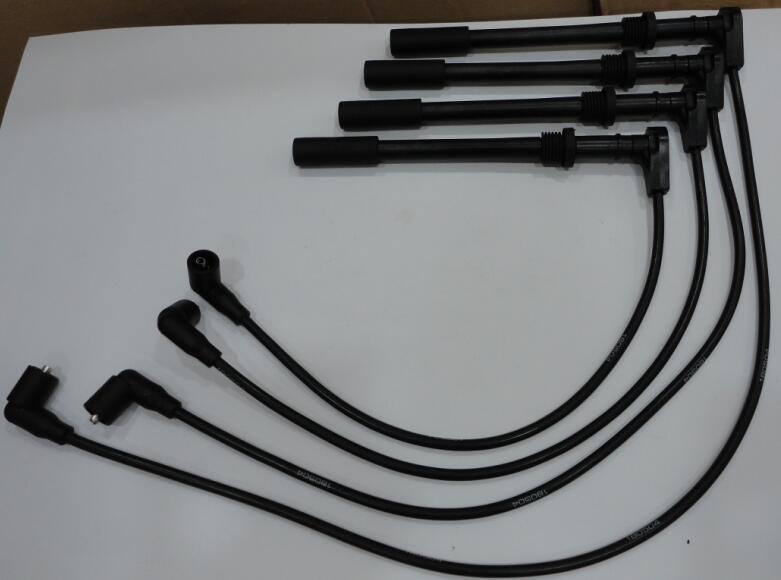
Sourcing automotive ignition components requires balancing aggressive aftermarket pricing with zero-tolerance reliability. A failed ignition coil or misfiring spark plug immediately triggers diagnostic trouble codes (DTCs), engine hesitation, and costly customer returns. Navigating the manufacturing landscape in Asia means distinguishing between tier-one suppliers utilizing automated multi-axis winding and vacuum epoxy potting, and lower-tier factories cutting corners on dielectric materials and electrode welding.
For volume buyers, success depends on specifying the right raw materials, enforcing strict electrical testing protocols, and verifying quality management systems before production begins.
Critical Specifications for Ignition Components
Whether you are sourcing direct-replacement parts or developing performance upgrades through OEM/ODM Services, the internal construction dictates the lifespan and performance of the ignition component.
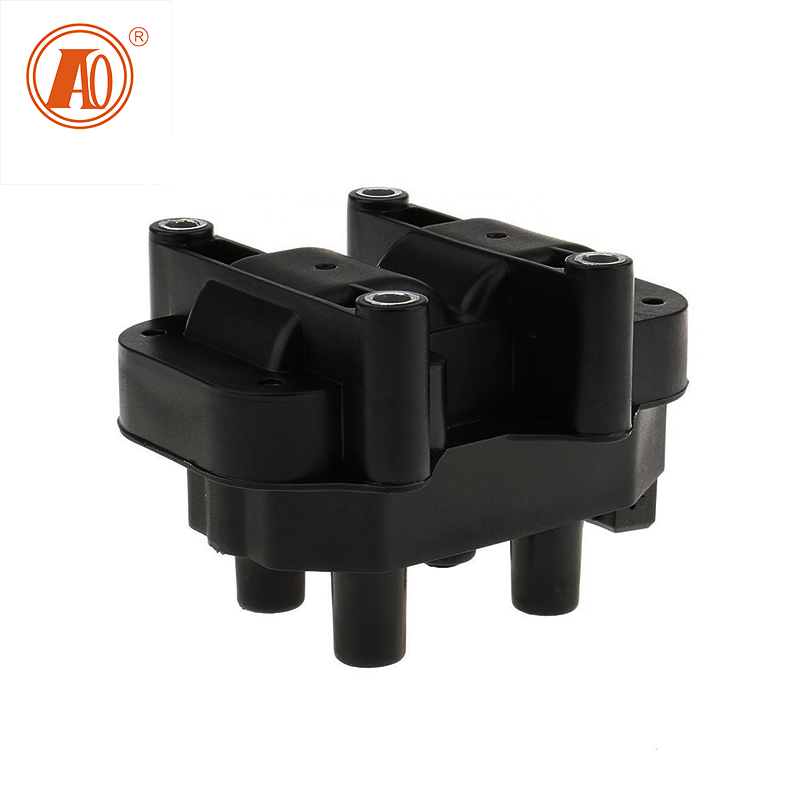
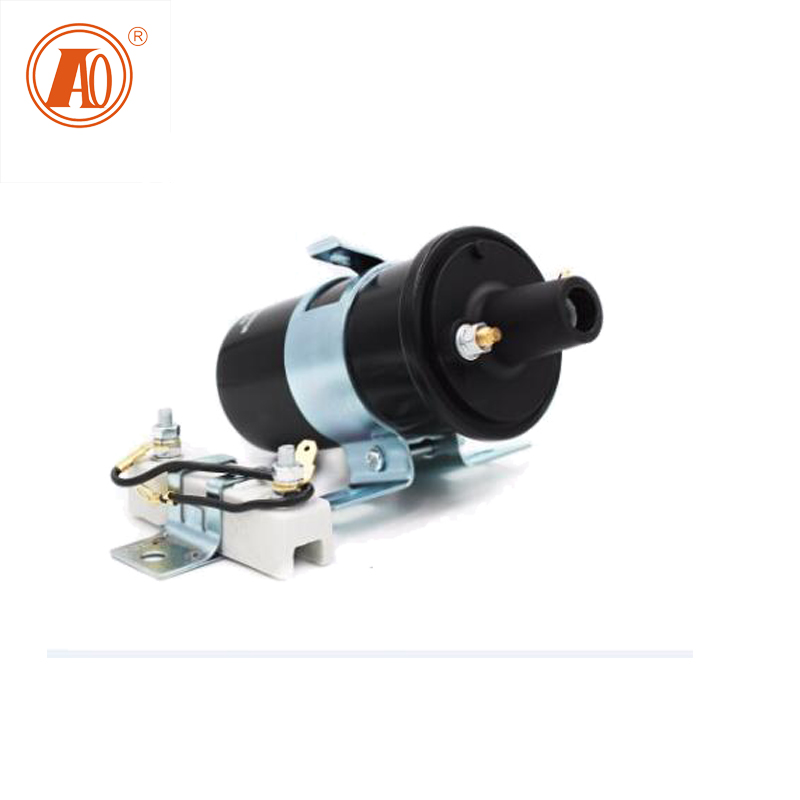
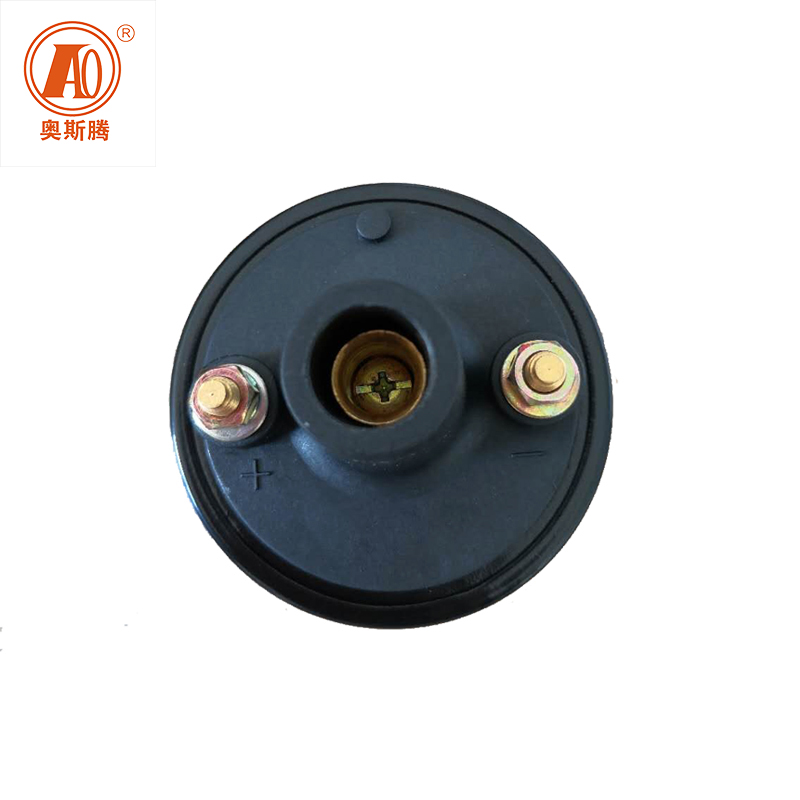
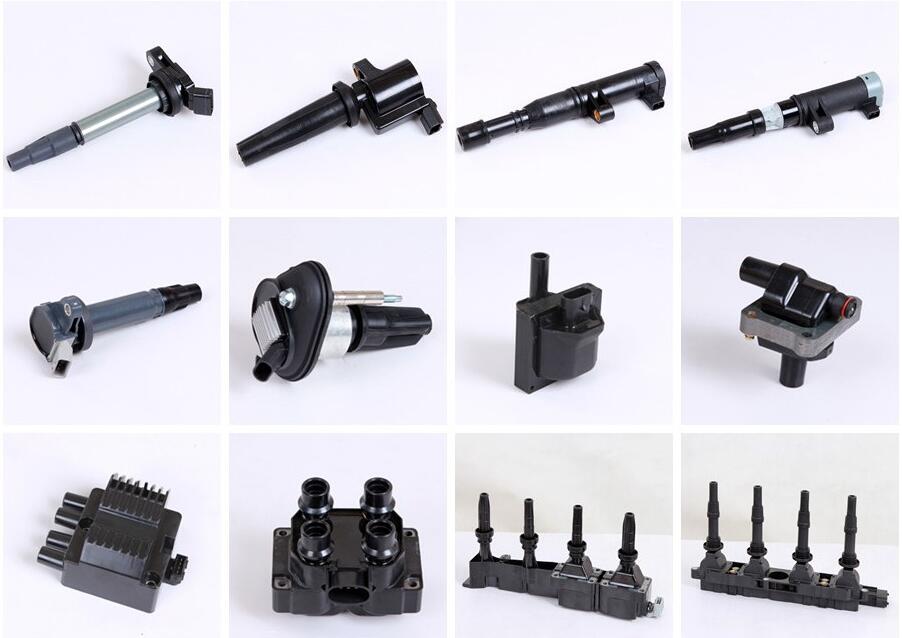
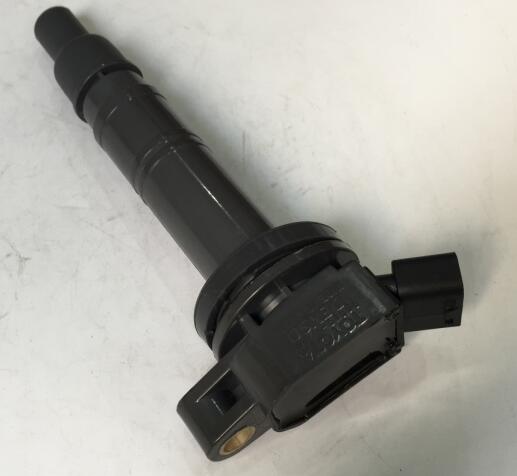
For ignition coils, the critical factors are the copper wire gauge, the turns ratio between the primary and secondary windings, and the potting compound. High-quality coils use imported epoxy resins (such as those from Huntsman or Kyocera) injected under a strict vacuum. Any trapped air bubbles will cause internal high-voltage arcing, leading to premature failure. You must also specify the magnetic core material; oriented silicon steel is standard for optimal magnetic flux density.
For spark plugs, the center and ground electrode materials define the market tier. Standard copper core plugs are cheap but wear quickly. Platinum and iridium alloys offer superior longevity and a more focused spark, but require precision laser welding. The ceramic insulator must be high-alumina ceramic to withstand extreme thermal shock and prevent electrical flashover.
Struggling with high defect rates from your current ignition supplier? Let's audit your supply chain and upgrade your manufacturing partners.
Talk to our teamManufacturing Quality and Common Defects
The difference between a reliable supplier and a risky one is found on the factory floor. Automated assembly lines drastically reduce the human error inherent in hand-winding coils or manually gapping spark plugs.
When evaluating a factory's capability, look for automated vacuum potting machines, robotic laser welding stations, and comprehensive end-of-line testing.
Essential Factory-Level Quality Checks
- Vacuum Potting Verification: Destructive sectioning of ignition coils to check for epoxy voids.
- High-Voltage Endurance Testing: Simulating high RPM loads at elevated temperatures (125°C to 150°C) to test thermal stability.
- Electrode Weld Integrity: Shear testing on iridium/platinum spark plug tips to ensure the precious metal will not detach in the cylinder.
- Dielectric Strength Testing: Ensuring boots and insulators do not leak voltage under peak firing conditions.
- Salt Spray Testing: Minimum 72-hour exposure to verify the anti-corrosion plating on metal housings.
Implementing independent Quality Control & Inspection is non-negotiable for ignition parts. A thorough pre-shipment inspection should include both functional bench testing and visual checks for terminal alignment and housing cracks.
Supplier Vetting and Industry Standards
The automotive aftermarket is heavily regulated regarding quality management. You should only partner with factories holding valid IATF 16949 certification, which is the global quality management standard for the automotive industry. ISO 9001 is insufficient for critical engine electronics.
Beware of Fake Certifications
Many lower-tier suppliers claim IATF 16949 compliance without holding the actual certification, or they operate under a parent company's certificate. Always verify the scope and validity of the certificate during comprehensive Factory Audits before placing bulk orders.
Furthermore, ignition systems generate significant electromagnetic interference (EMI). Coils and modules must pass strict Compliance & Testing for electromagnetic compatibility (EMC) to ensure they do not disrupt the vehicle's ECU or other onboard electronics.
Pricing, MOQs, and Lead Times
Ignition component pricing is highly dependent on raw material costs (copper, iridium, premium epoxy) and the level of automation in the factory.
If you are consolidating a large catalog of SKUs (e.g., covering 95% of the North American or European vehicle parc), you will likely need to negotiate mixed-container orders or work with a supplier who maintains a deep catalog of existing molds.
Need to consolidate your automotive electronics purchasing? We help buyers negotiate better terms and manage multi-factory production schedules.
Get a free consultationFrequently Asked Questions
Sourcing high-reliability ignition components at competitive wholesale prices requires deep technical oversight and rigorous factory vetting. By focusing on raw material specifications, automated manufacturing processes, and strict IATF 16949 compliance, buyers can secure parts that perform flawlessly in the field. When you are ready to upgrade your supply chain, expert on-the-ground support ensures your quality standards are met on every single shipment.
Get Sourcing Help for Ignition
Tell us your requirements and our experts will connect you with verified manufacturers.