Ignition Cables
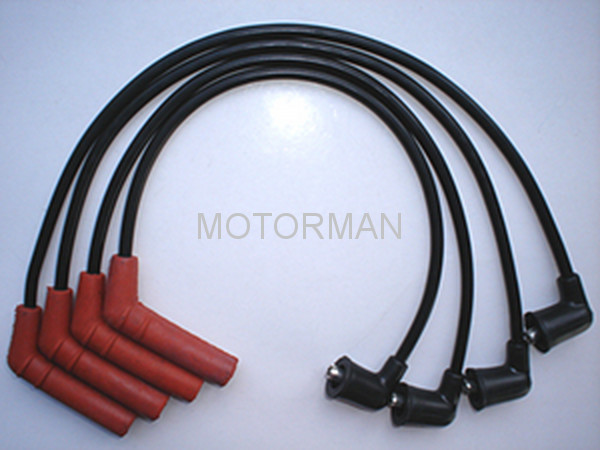
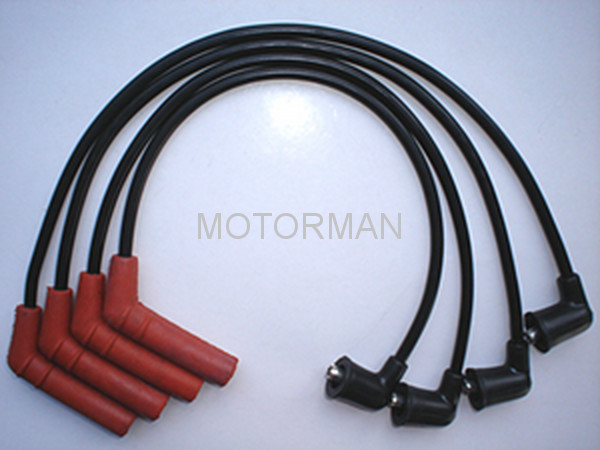
Source high-performance ignition cables from vetted suppliers and manufacturers across Asia. Designed for automotive importers, auto parts distributors, and aftermarket brands looking for reliable OEM and private-label production. Ensure optimal engine performance with high-volume, quality-controlled bulk purchasing.
Sourcing ignition cables (spark plug wires) at scale requires navigating a complex matrix of conductor types, insulation materials, and electromagnetic interference (EMI) suppression requirements. A failure in insulation or excessive resistance doesn't just cause engine misfires; it can damage modern sensitive engine control units (ECUs). For bulk buyers, the primary challenge is finding manufacturers who maintain strict extrusion tolerances and reliable terminal crimping across high-volume production runs.
Technical Specifications and Material Selection
The performance of an ignition cable hinges on its core conductor and the outer jacket's ability to withstand extreme under-hood temperatures and chemical exposure. Selecting the right combination is critical for your target market.
| Conductor Type | Resistance | EMI Suppression | Best For |
|---|---|---|---|
| Carbon Core | High (10k-15k Ohms/ft) | Excellent | Standard OEM replacement |
| Magnetic (Mag) Wire | Medium (2k-3k Ohms/ft) | Very Good | Performance aftermarket |
| Solid Copper | Very Low (under 50 Ohms/ft) | Poor (requires resistor plugs) | Racing / Off-road applications |
Jacket materials dictate thermal endurance and dielectric strength. While EPDM (Ethylene Propylene Diene Monomer) is cost-effective for standard applications, high-performance and modern OEM replacements demand high-grade silicone jackets capable of withstanding continuous temperatures over 250 degrees Celsius. The inner insulation (dielectric) must also be thick enough to prevent voltage leaks to the engine block.
Struggling to match exact OEM specifications for a new aftermarket line? Let us help you identify factories with the right extrusion and winding capabilities.
Talk to our teamQuality Control on the Factory Floor
Ignition cable manufacturing involves precise wire winding, multi-layer extrusion, and terminal crimping. Variances in the extrusion speed can lead to thin spots in the dielectric insulation, causing catastrophic voltage leaks.
When auditing a facility or conducting quality control inspections, focus on these critical failure points:
Critical Inspection Points for Ignition Cables
- Terminal Pull-Off Strength: Terminals must withstand specified pull forces (typically over 100N) without separating from the conductor.
- Dielectric Voltage Withstand: Cables should be tested to handle 30kV to 50kV without insulation breakdown.
- Resistance Consistency: Ohmic values per meter must remain within a 5 percent tolerance across the entire batch.
- Boot Adhesion and Fit: Spark plug and distributor boots must form a watertight seal and resist thermal degradation.
Ensuring the factory holds an active IATF 16949 certification is the baseline for automotive parts. However, verifying their in-house testing equipment—such as thermal shock chambers and high-voltage testers—is what separates basic assemblers from true manufacturers. If you are developing custom performance sets, rigorous factory audits are essential before committing to expensive tooling costs.
Wholesale Pricing, MOQs, and Lead Times
Procurement terms for ignition cables depend heavily on whether you are buying standard off-the-shelf bulk wire, pre-assembled generic sets, or investing in OEM/ODM services for custom-branded, vehicle-specific kits.
Pricing is highly sensitive to the global cost of raw silicone and copper, as well as the complexity of the boots. Custom tooling for unique spark plug boots or distributor terminals will require an upfront investment, usually amortized over the first few high-volume orders.
Need to consolidate multiple engine SKUs from reliable suppliers? We can manage the sourcing and supply chain for your entire auto parts catalog.
Get a free consultationFrequently Asked Questions
Sourcing ignition cables at scale is fundamentally about risk mitigation. A single batch of poorly crimped terminals or thin insulation can lead to massive warranty claims and brand damage. By partnering with manufacturers who have proven, verifiable quality management systems and advanced extrusion capabilities, you secure both vehicle performance and your bottom line. If you need experienced professionals on the ground to manage supplier selection, auditing, and pre-shipment testing, our team is ready to support your procurement strategy.
Get Sourcing Help for Ignition Cables
Tell us your requirements and our experts will connect you with verified manufacturers.