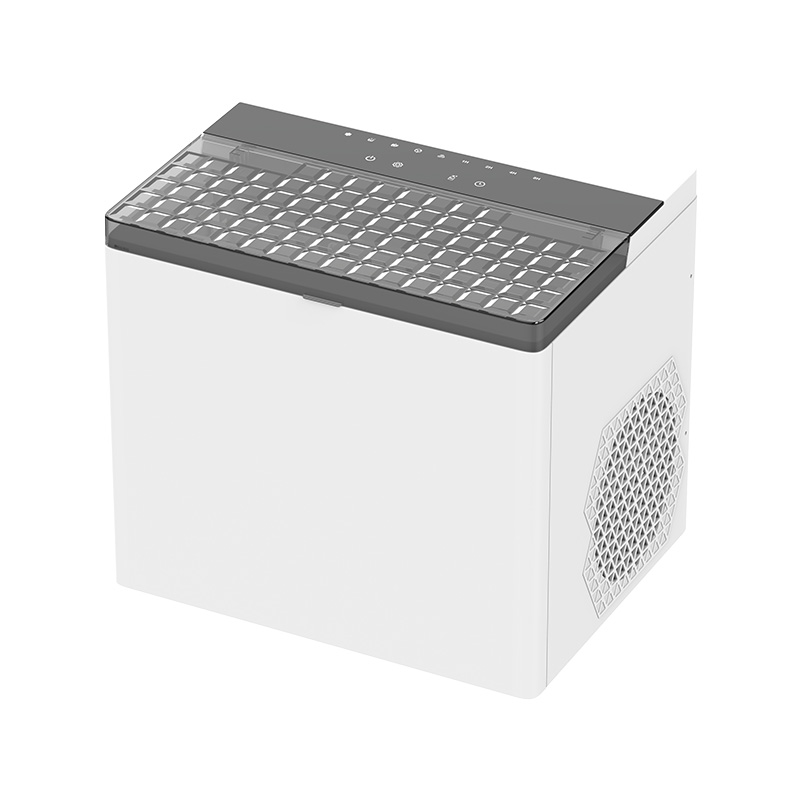
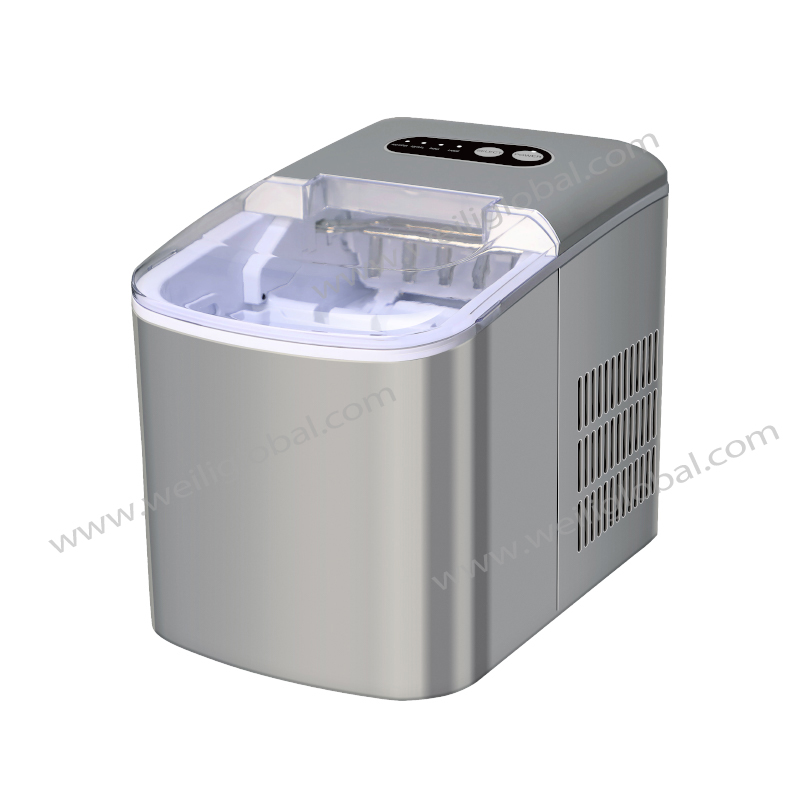
Ice Makers
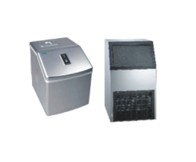
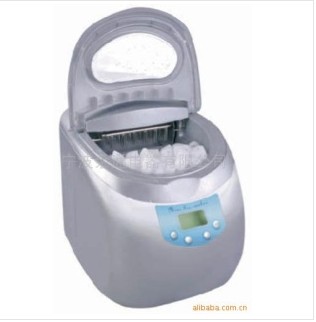
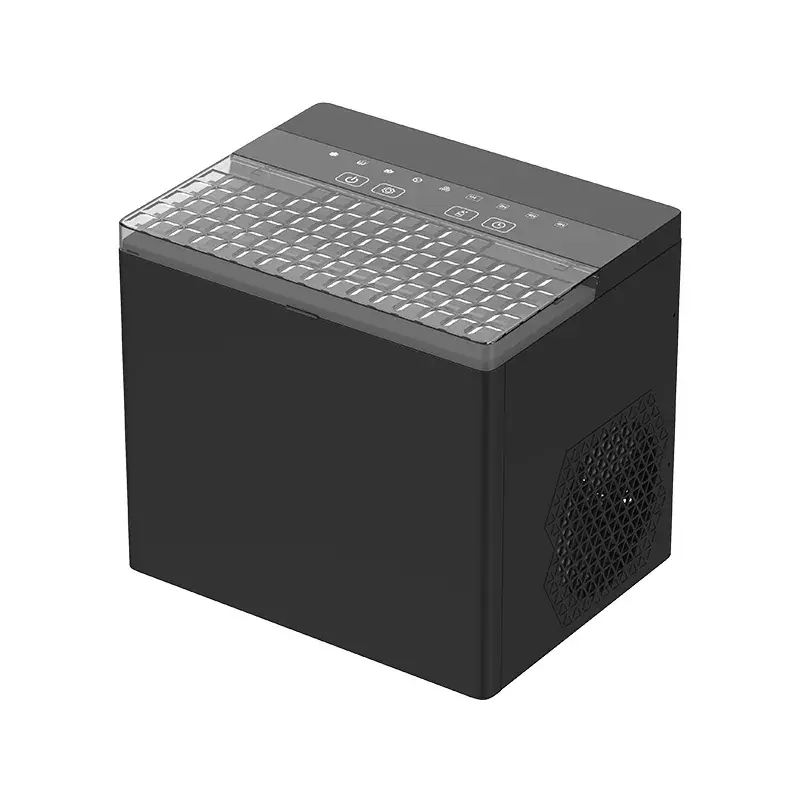
Source premium ice makers in bulk directly from vetted manufacturers across Asia. Designed for importers, appliance wholesalers, and brands seeking reliable OEM/ODM production, our catalog connects you with high-yield, energy-efficient units ready for global markets.
Sourcing commercial or residential ice makers requires balancing thermodynamic efficiency with strict food-contact safety standards. A successful procurement strategy hinges on selecting the right compressor technology, ensuring robust evaporator construction, and navigating complex environmental regulations regarding refrigerants. For buyers importing at scale, verifying factory capabilities is just as critical as the product specifications themselves.
Core Specifications and Technical Requirements
When negotiating specifications with a manufacturer, the technical parameters dictate both the unit's performance and its compliance in your target market. Daily ice yield is the headline metric, but it is heavily dependent on the cooling method and ambient operating conditions.
| Cooling Method | Efficiency Profile | Ideal Environment |
|---|---|---|
| Air-Cooled | Moderate energy use, higher water efficiency | Standard indoor climates with good ventilation |
| Water-Cooled | High energy efficiency, high water use | High ambient temperatures or poor ventilation |
Beyond the cooling method, you must define the compressor type and refrigerant. Modern environmental regulations in North America and Europe heavily restrict high-GWP (Global Warming Potential) refrigerants. Specifying R290 (propane) or R600a (isobutane) is increasingly mandatory. Furthermore, for brands utilizing OEM/ODM Services to develop custom units, upgrading to inverter compressors can significantly reduce noise levels and improve energy ratings, though it will impact your unit cost.
Need help matching technical specifications to your target market's regulatory requirements? Let's discuss your sourcing strategy.
Talk to our teamManufacturing Realities and Quality Control
Ice makers are complex assemblies of water pumps, refrigeration circuits, and electronic sensors. Quality is won or lost on the factory floor, specifically during the brazing of copper tubing, the plating of the evaporator, and the foaming of the insulation. Poorly brazed joints lead to slow refrigerant leaks, while inadequate evaporator plating can cause premature corrosion and food safety violations.
To prevent these issues, robust Quality Control & Inspection protocols must be implemented during production, not just before shipment.
Critical Factory-Level Inspections
- Evaporator plating thickness and food-grade material verification
- Refrigerant leak detection using high-pressure vacuum chambers
- Compressor vibration and acoustic decibel (dB) testing
- Insulation foaming density checks to ensure thermal retention
- Harvest cycle timing and ice thickness sensor calibration
Verifying a supplier's testing infrastructure—such as the presence of climate-controlled testing rooms—is a key part of thorough Factory Audits. Manufacturers without the ability to test units at varying ambient temperatures cannot guarantee their daily yield claims.
Pricing, MOQs, and Lead Times
The cost of an ice maker is primarily driven by its production capacity, the origin of its compressor (imported vs. domestic Chinese brands), and the exterior finish (e.g., 304 vs. 430 grade stainless steel).
When planning your supply chain, factor in the time required for third-party Compliance & Testing. Certifications like NSF, UL, ETL, and CE require strict adherence to material safety and electrical standards, and testing a new OEM model can add several weeks to your initial lead time.
Looking for accurate pricing and lead times for a specific ice maker configuration? Contact us for a detailed supplier breakdown.
Get a free consultationFrequently Asked Questions
Importing ice makers at scale requires technical diligence and a deep understanding of refrigeration manufacturing. By partnering with vetted factories and enforcing strict in-line quality controls, you can mitigate defect rates and ensure your product meets the rigorous demands of your market.
Get Sourcing Help for Ice Makers
Tell us your requirements and our experts will connect you with verified manufacturers.