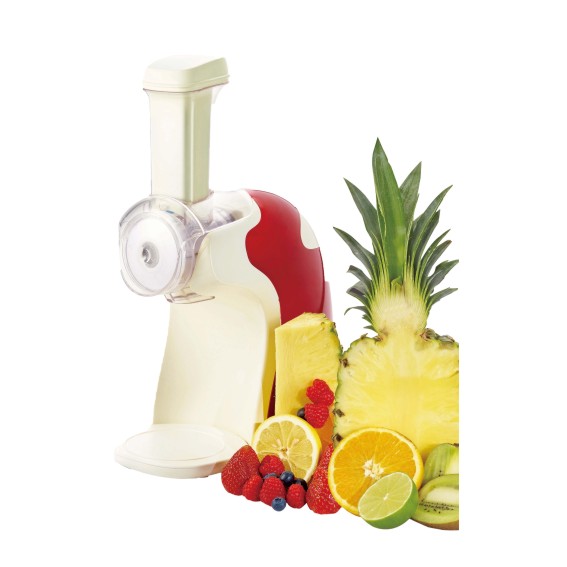
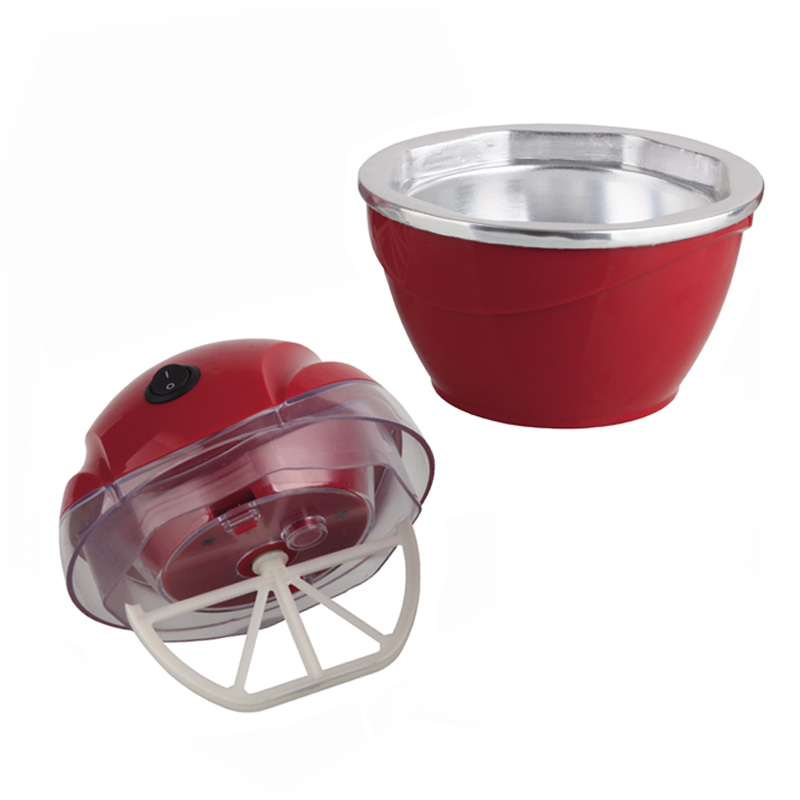
Ice Cream Makers
Source premium ice cream makers from vetted suppliers and manufacturers in Asia. Designed for importers, wholesalers, and brands seeking reliable OEM and private-label production, our network delivers high-performance compressor and freezer-bowl models built to international compliance and quality standards.
Sourcing ice cream makers at scale requires navigating a complex intersection of thermodynamics, food safety, and motor durability. Whether you are procuring entry-level freezer-bowl units or premium self-refrigerating compressor models, the core sourcing challenge lies in balancing cooling efficiency with strict food-contact compliance and reliable motor performance. Partnering with the right assembly factories—primarily clustered in Guangdong and Zhejiang provinces—is critical to securing stable yields and minimizing post-sale defect rates.
Core Architectures: Compressor vs. Freezer Bowl
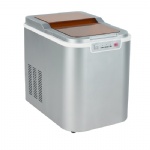
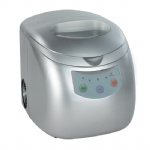
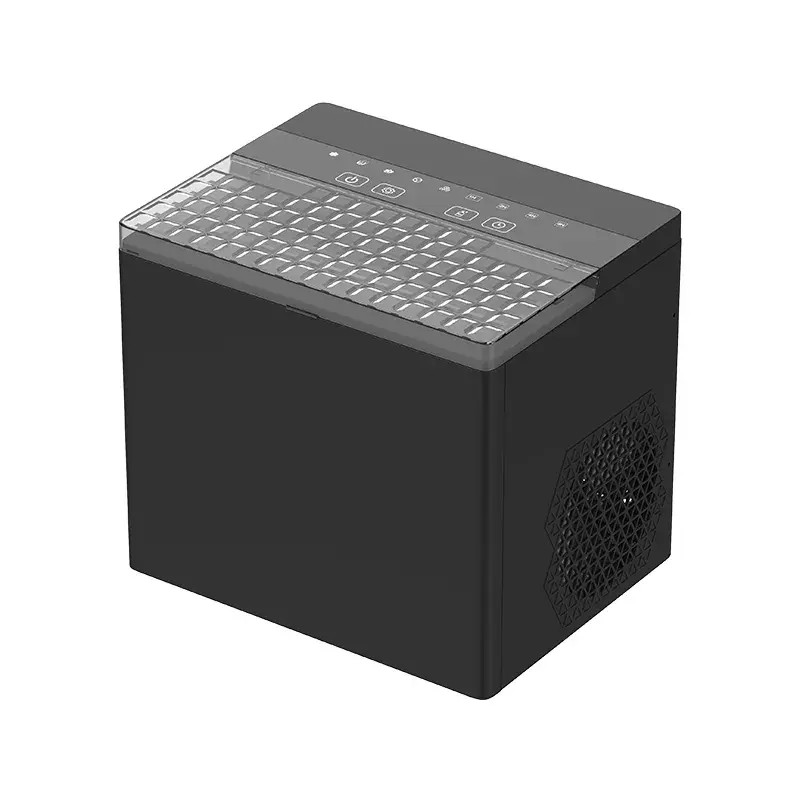
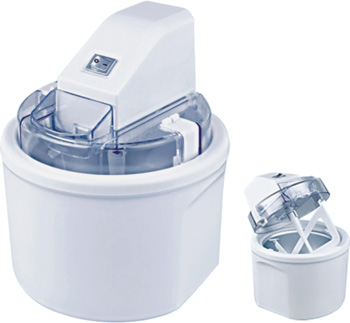
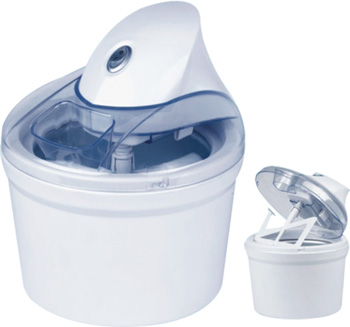
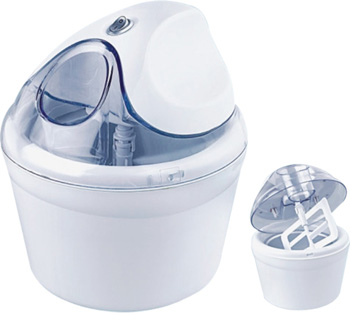
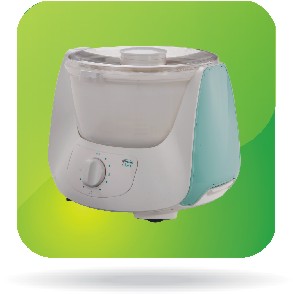
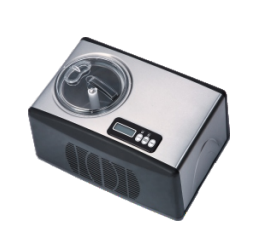
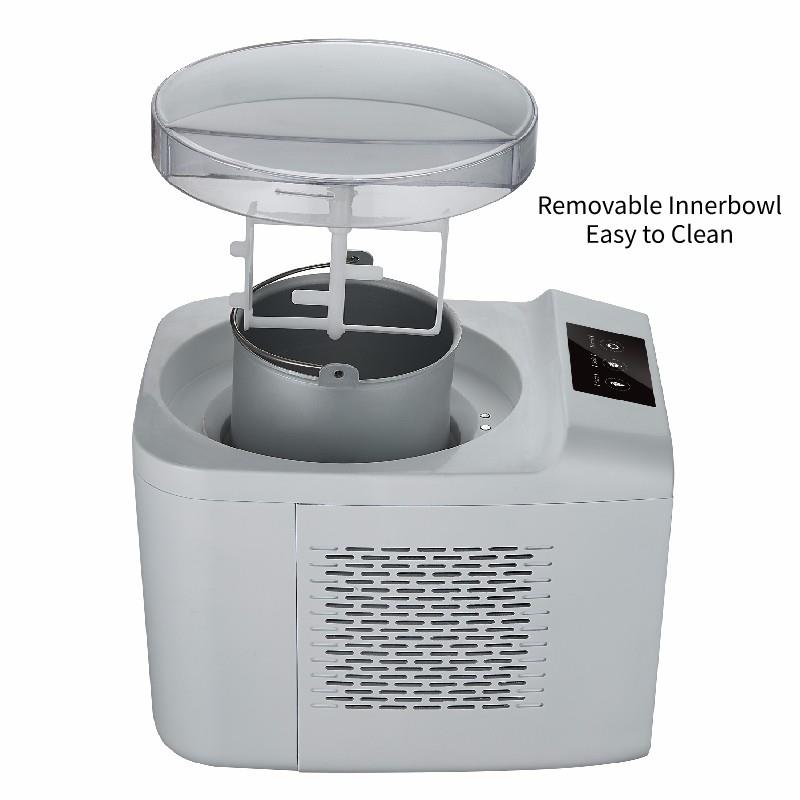
The manufacturing requirements and supply chain complexities diverge sharply depending on the cooling architecture of the unit. Compressor models require advanced refrigeration assembly lines, vacuum pumping, and refrigerant charging stations, whereas freezer-bowl models are primarily motor and plastics assemblies.
| Architecture | Compressor Models | Freezer Bowl Models |
|---|---|---|
| Cooling Mechanism | Built-in micro-compressor (R600a/R134a) | Double-insulated bowl with freezing liquid |
| Typical Motor Power | 100W to 200W | 12W to 15W |
| Assembly Complexity | High (requires refrigerant handling) | Low (injection molding and simple motor) |
| Retail Positioning | Premium, high-margin appliances | Entry-level, volume-driven retail |
Specifying the correct components is vital. For compressor models, the choice of refrigerant heavily impacts market access. Many older designs use R134a, but European and North American regulations increasingly demand eco-friendly alternatives like R600a. Ensuring your supplier has the engineering capability to handle R600a safely during assembly is a strict vetting requirement.
Need help auditing a factory's refrigeration assembly capabilities? Let's discuss your sourcing requirements.
Talk to our teamManufacturing Quality and Common Failure Points
Ice cream makers endure high torque at low temperatures. As the mixture freezes, viscosity increases, placing immense strain on the motor, gears, and mixing paddle (dasher). Factory-level quality control must address these specific mechanical stresses.
Critical Quality Control Checks
When implementing Quality Control & Inspection protocols, inspectors must focus on the following failure points:
In-Line and Pre-Shipment Inspection Focus Areas
- Motor Torque Testing: Ensuring the motor does not stall or overheat as the mixture reaches maximum viscosity.
- Refrigerant Leak Detection: Halogen leak testing on all compressor joints to prevent cooling failure.
- Gearbox Durability: Verifying POM (polyoxymethylene) or metal gears can withstand sustained high-torque operation without stripping.
- Dasher Integrity: Stress-testing BPA-free ABS or POM mixing paddles to prevent snapping under load.
- Bowl Seal Validation: For freezer-bowl models, ensuring ultrasonic welding of the double-wall bowl is flawless to prevent freezing liquid leakage.
Compliance and Food Safety Standards
Because ice cream makers process dairy and mix-ins directly, all food-contact surfaces (the bowl, paddle, and lid) must pass stringent regulatory testing. Relying on a supplier's outdated certificates is a common pitfall. You must verify that the specific materials used in your production run meet FDA (for the US) or LFGB (for Europe) standards. Coordinating proper Compliance & Testing through accredited third-party labs is non-negotiable for customs clearance and liability protection.
Electrical safety certifications—such as CE, RoHS, LVD, and EMC for Europe, or UL/ETL for North America—must also cover the exact motor and compressor configuration you are importing.
OEM Customization and Private Labeling
For brands looking to differentiate, OEM/ODM Services offer pathways to upgrade standard factory molds.
Housing materials are a primary differentiation point. Standard units utilize injection-molded ABS or PP plastics. Upgrading to brushed 304 stainless steel or matte-finish aluminum housings increases perceived value but requires suppliers with specialized metal-stamping and finishing capabilities. Additionally, customizing the control panel—moving from mechanical dials to capacitive touch LED screens—requires custom PCB design and rigorous moisture-resistance testing to ensure condensation does not short the electronics.
MOQs, Lead Times, and Pricing Dynamics
Production timelines and minimum order quantities depend heavily on the complexity of the unit and the level of customization required.
Pricing is driven by commodity costs (copper for motors, steel/aluminum for housings) and the specific compressor brand used in self-refrigerating units. Specifying a well-known compressor brand (e.g., Donper or Huayi) will increase the unit cost but significantly reduce warranty claims and improve cooling efficiency.
Looking to negotiate better pricing and terms for your next bulk order? We can manage the process from end to end.
Get a free consultationFrequently Asked Questions
Successfully sourcing ice cream makers requires looking past the cosmetic exterior to validate the factory's engineering competence in thermodynamics and motor durability. By strictly defining your component specifications and enforcing rigorous in-line inspections, you can secure high-performing appliances that protect your brand's reputation.
Get Sourcing Help for Ice Cream Makers
Tell us your requirements and our experts will connect you with verified manufacturers.