Hydraulic Scrap Shears
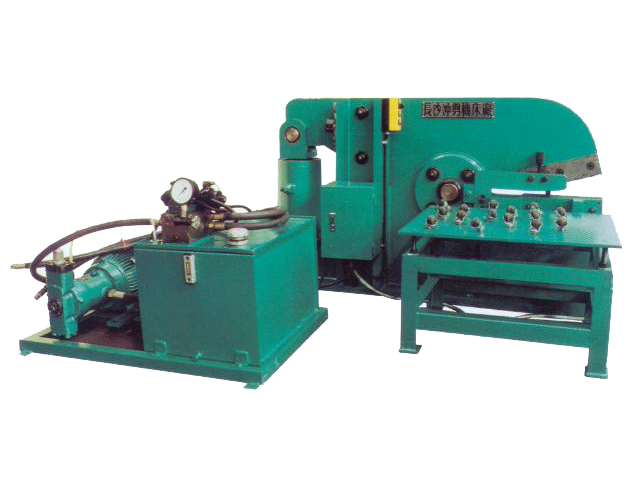
Source heavy-duty hydraulic scrap shears directly from vetted manufacturers and wholesale suppliers. Designed for importers, industrial distributors, and brands seeking reliable OEM production, our network delivers robust metal recycling equipment built to handle high-volume processing with precision and durability.
Sourcing heavy machinery like hydraulic scrap shears requires a deep understanding of hydraulic tolerances, metallurgy, and structural integrity. The primary challenge isn't just finding a factory that can assemble a shear; it's finding a manufacturing partner capable of engineering frames and hydraulic systems that withstand millions of high-pressure cycles without fatigue failure or catastrophic downtime.
Critical Specifications for Volume Buyers
When evaluating suppliers, vague specifications lead to underperforming equipment. To ensure the shears meet the rigorous demands of scrap yards and recycling facilities, you must define exact parameters for both the structural components and the hydraulic power unit (HPU).
Key technical requirements to specify include:
- Cutting Force (Tonnage): Typically ranging from 100 tons for light non-ferrous metals up to over 1,200 tons for heavy structural steel.
- Blade Metallurgy: Specify the exact steel grade and required Rockwell Hardness (HRC). H13 tool steel or equivalent high-alloy, shock-resistant steels are standard.
- Hydraulic System Pressure: Operating pressures often exceed 30 MPa (4,350 psi). The system must include adequate cooling (air or water) to maintain hydraulic fluid viscosity during continuous operation.
- Cycle Time: Defines throughput capacity. Faster cycle times require larger hydraulic pumps and optimized manifold designs.
| Specification | Standard Duty (e.g., Alligator Shears) | Heavy Duty (e.g., Guillotine/Gantry) |
|---|---|---|
| Typical Cutting Force | 100 - 400 Tons | 500 - 1,200+ Tons |
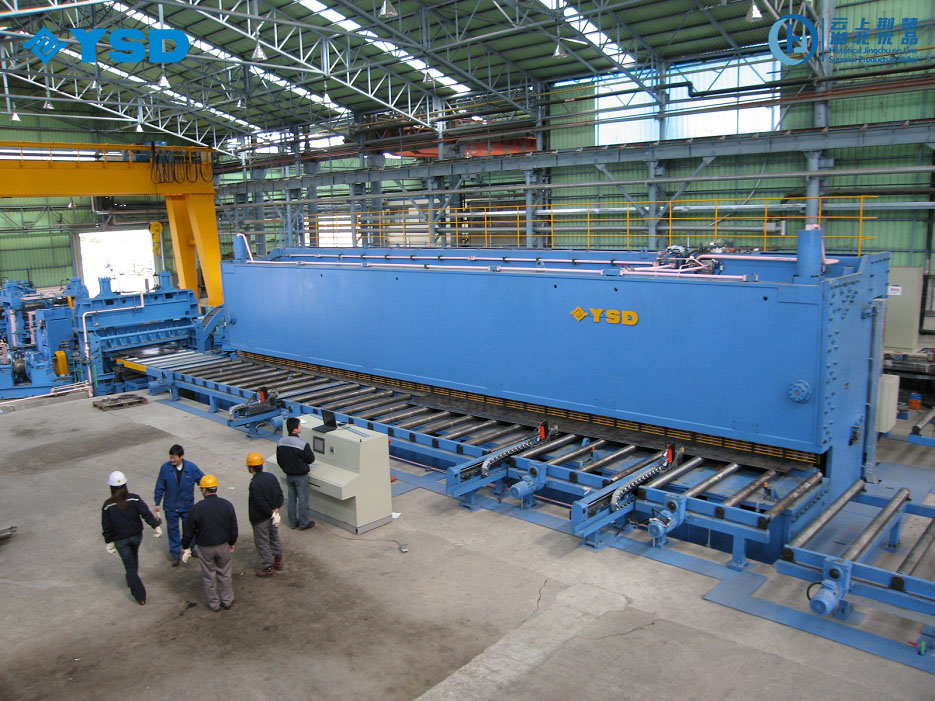
| Blade Length | 400mm - 1,000mm | 1,200mm - 2,000mm+ |
| Hydraulic Cooling | Air cooled (sufficient for intermittent use) | Water/Chiller cooled (mandatory for continuous use) |
| Control System | Manual valve / Basic PLC | Advanced PLC with remote diagnostics |
Manufacturing Quality and Factory Vetting
The lifespan of a hydraulic shear is dictated entirely on the factory floor. Many suppliers outsource critical machining, which can lead to inconsistencies in cylinder honing and frame alignment. A thorough Factory Audit is essential to verify a supplier's in-house capabilities, particularly their welding standards and CNC machining precision.
Poorly welded frames will crack under the immense stress of shearing heavy I-beams, and improperly honed cylinders will rapidly destroy hydraulic seals, leading to leaks and loss of cutting force.
Critical Factory Evaluation Points
- Verify ultrasonic testing (UT) of heavy structural welds to ensure zero internal defects.
- Check the origin and brand of hydraulic valves and pumps (e.g., Rexroth, Parker, or reputable domestic equivalents).
- Inspect the heat treatment facility or verify the certifications of their outsourced metallurgy partner for the cutting blades.
- Confirm the factory performs full-load run-off testing for at least 24 hours prior to shipment.
Need help verifying a heavy machinery manufacturer? Our engineering and sourcing teams can audit factories and validate their production capabilities on your behalf.
Discuss your technical requirementsPricing, Lead Times, and Logistics Reality
Hydraulic scrap shears are capital-intensive machines, and pricing is heavily influenced by the cost of raw steel, the tonnage of the machine, and the origin of the hydraulic components. Customizing a machine for specific OEM branding or integrating specialized PLC controls will naturally extend lead times.
Because of the sheer size and weight of these machines, Shipping & Freight requires specialized handling. Standard containerization is often impossible for shears exceeding 400 tons, necessitating flat-rack containers or break-bulk vessels.
Furthermore, comprehensive Quality Control & Inspection prior to shipment is non-negotiable. Discovering a hydraulic flaw or a misaligned blade after a 30-ton machine has arrived at your facility is an expensive disaster. All functional testing and load verification must happen at the factory.
Managing the shipment of oversized industrial equipment requires precise coordination. Let us handle the quality inspections, freight forwarding, and customs clearance.
Get a logistics consultationFrequently Asked Questions
When sourcing hydraulic scrap shears in volume, the total cost of ownership is far more important than the initial unit price. A machine that saves you a few thousand dollars upfront but suffers from chronic hydraulic leaks or frame fatigue will quickly erase those savings in downtime and maintenance. Prioritize suppliers with proven heavy-machinery engineering capabilities and robust quality control systems.
Get Sourcing Help for Hydraulic Scrap Shears
Tell us your requirements and our experts will connect you with verified manufacturers.