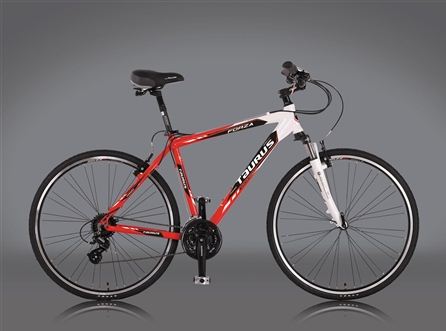
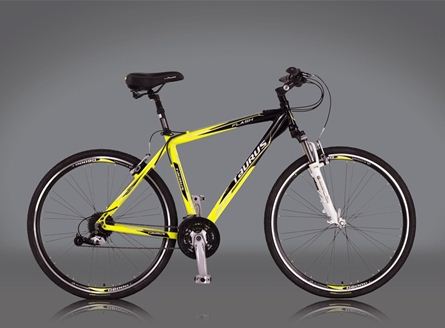
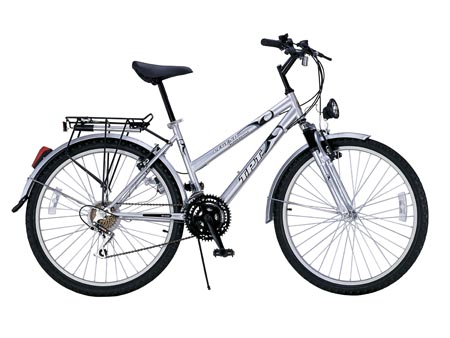
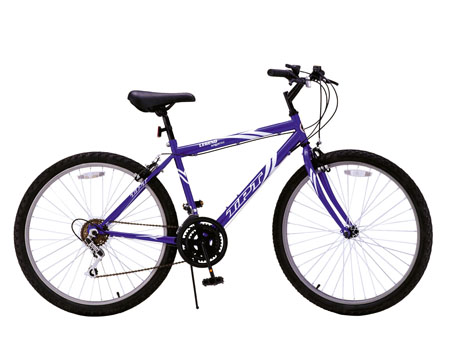
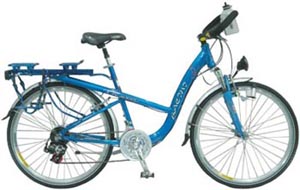
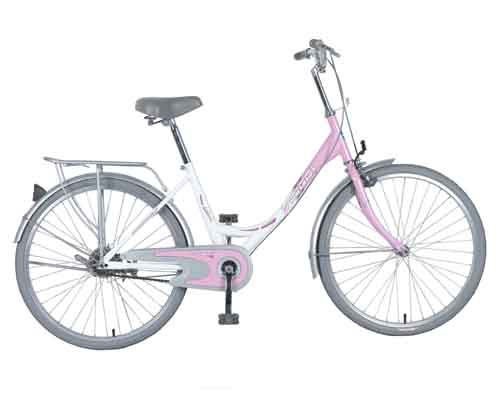
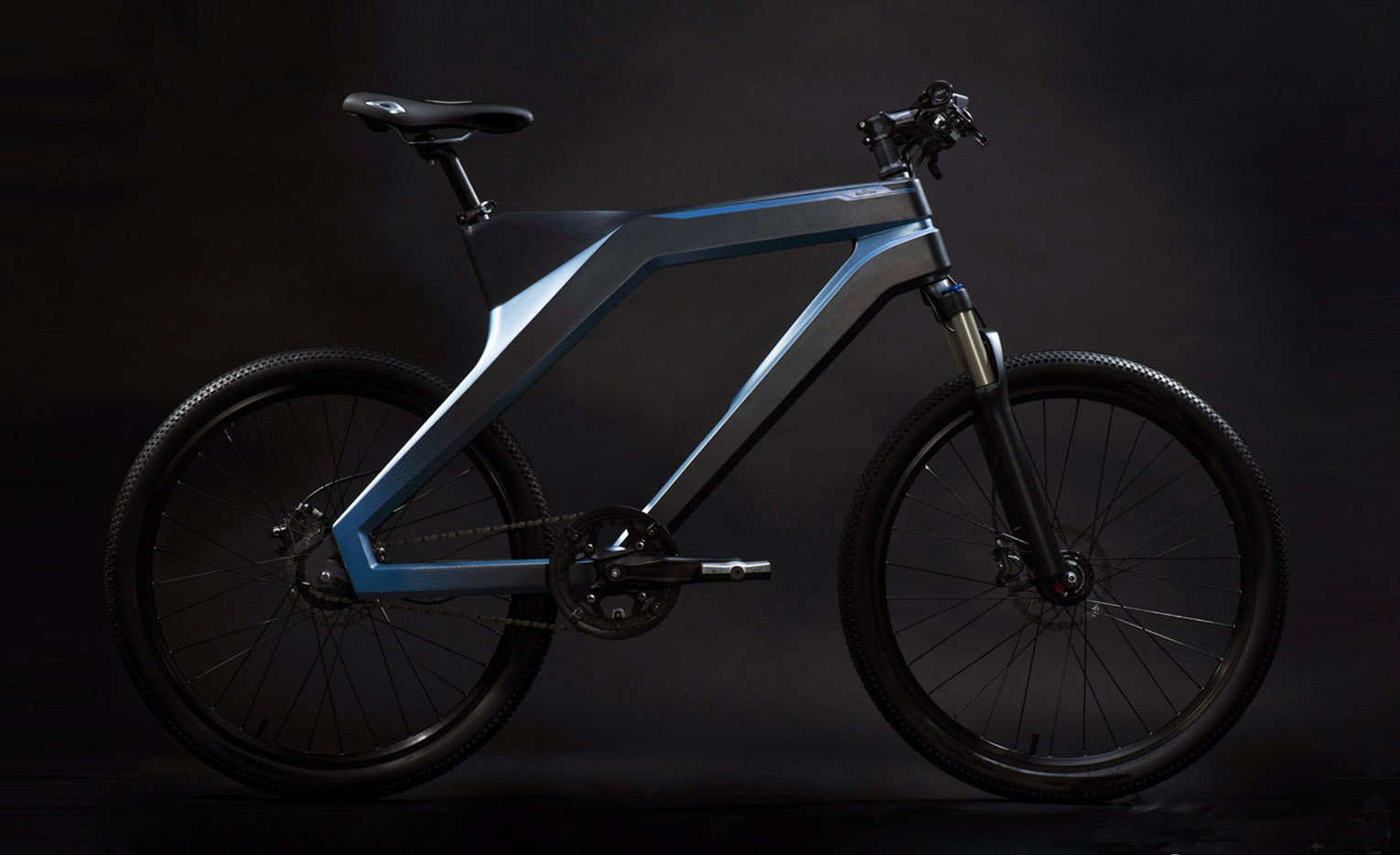
Hybrid Bikes
Source premium hybrid bikes from vetted manufacturers and wholesale suppliers across Asia. Built for importers, distributors, and brands seeking reliable OEM and private-label production, this category connects you directly with factories capable of delivering high-volume, compliant bicycles engineered for urban and trail versatility.
Hybrid bikes sit at the demanding intersection of road cycling efficiency and mountain bike durability. For volume buyers, the core sourcing challenge is twofold: ensuring precision frame fabrication that balances geometry for upright comfort, and managing the notoriously volatile supply chain of third-party drivetrains and braking systems. Success requires partnering with assembly factories that maintain strict alignment tolerances and have priority access to tier-one component suppliers.
Frame Engineering and Material Selection
The foundation of any hybrid bicycle is its frame. Because these bikes must handle both paved commuting and light gravel trails, the frame material dictates the vibration dampening, weight, and overall price point of the finished unit. Most wholesale production relies on aluminum alloys, though high-end urban and fitness hybrids increasingly utilize carbon fiber forks to reduce road buzz.
| Material | Yield Strength | Weight / Cost Profile | Typical Application |
|---|---|---|---|
| Aluminum 6061-T6 | 276 MPa | Moderate / Low | Entry to mid-tier commuter hybrids |
| Aluminum 7005-T6 | 290 MPa | Lighter / Medium | Performance fitness hybrids |
| Chromoly Steel (4130) | 435 MPa | Heavy / Medium | Touring and rugged urban hybrids |
When defining specifications with a factory, pay close attention to tire clearance and brake mounts. Modern hybrid frames should be engineered with clearance for at least 38c to 45c tires and utilize flat-mount disc brake standards, which have largely replaced V-brakes in mid-to-high-tier categories.
Manufacturing Tolerances and Quality Control
Bicycle manufacturing is highly segmented. The factory you contract is typically an assembly plant that welds (or sources) the frame, paints it, and bolts on components from dozens of external vendors. Quality is won or lost in the frame alignment and the final assembly line.
Welding and Heat Treatment
Aluminum frames must undergo T4 and T6 heat treatment post-welding to restore the alloy's structural integrity. Skipping this step results in catastrophic frame failure under load.
Frame Alignment
Before painting, frames must be checked on an alignment table. The rear dropouts must be perfectly parallel, and the bottom bracket shell must be faced to ensure smooth crank rotation.
Surface Preparation and Masking
Prior to powder coating or liquid painting, all threaded areas (bottom brackets, derailleur hangers) and disc brake mounts must be meticulously masked.
Torque Verification
During final assembly, critical bolts (stem, handlebars, crankset) must be tightened to specific Nm torque values to prevent safety liabilities.
Catching alignment or threading issues after the frame is painted—or worse, after the bike is packaged—is a costly error. Implementing rigorous Quality Control & Inspection directly on the factory floor is essential for catching these defects before they are boxed.
Ensure your hybrid bike production meets strict alignment and safety tolerances from day one.
Discuss your QC requirementsCritical Inspection Points for Bulk Orders
When auditing a factory's output, your inspection checklist should prioritize structural safety and drivetrain tuning:
Pre-Shipment Inspection Focus Areas
- Dropout alignment and rear derailleur hanger straightness
- Bottom bracket threading and facing (no paint ingress)
- Spoke tension uniformity and wheel trueness (lateral and radial)
- Hydraulic brake line routing and bleed quality (no spongy levers)
- Shift indexing accuracy across the entire cassette
For brands looking to develop unique frame geometries rather than buying off-the-shelf open molds, partnering with a supplier capable of robust OEM/ODM Services is critical. You will need a factory with in-house hydroforming and CNC capabilities to prototype custom tubing shapes.
Sourcing Mechanics: MOQs, Lead Times, and Pricing
The bicycle industry operates on longer lead times than many other consumer goods, driven largely by the lead times of major groupset manufacturers (like Shimano, SRAM, or Microshift).
Pricing is highly variable based on the component spec. A basic alloy hybrid with a 3x7 Tourney drivetrain and mechanical disc brakes will sit at the lower end of the pricing spectrum, while a fitness hybrid with a 1x11 Deore drivetrain, hydraulic brakes, and a carbon fork will command a premium. Always request an itemized Bill of Materials (BOM) from your supplier to understand exactly where your budget is going.
Navigate component lead times and secure reliable assembly partners for your next production run.
Talk to our sourcing teamFrequently Asked Questions
Successfully sourcing hybrid bikes at scale requires looking past the frame to evaluate the factory's entire supply chain ecosystem and their adherence to strict assembly tolerances. By securing reliable component pipelines and enforcing rigorous in-line quality checks, you can deliver a product that performs flawlessly on both the showroom floor and the daily commute.
Get Sourcing Help for Hybrid Bikes
Tell us your requirements and our experts will connect you with verified manufacturers.