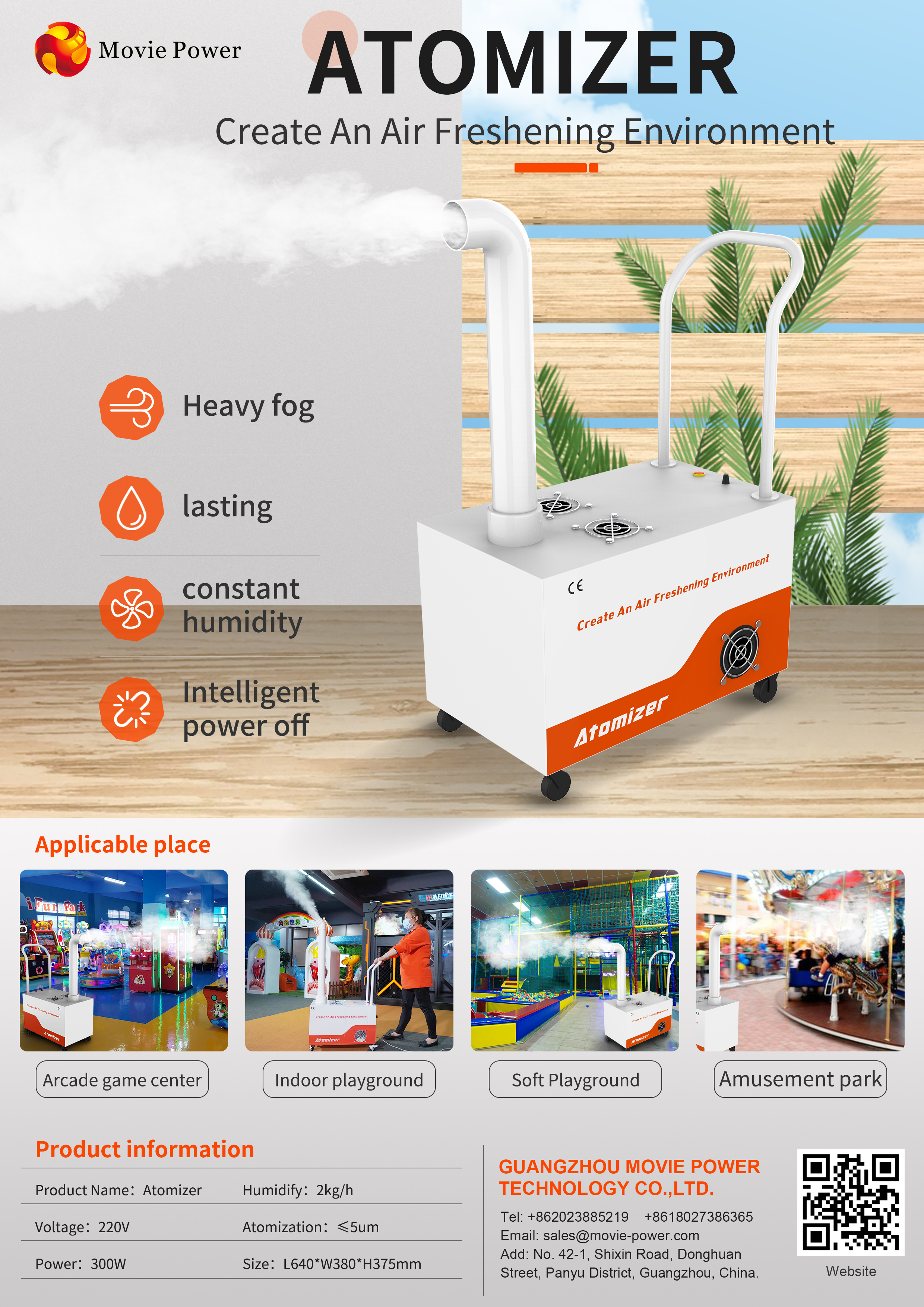
Humidifiers
Source bulk humidifiers directly from vetted suppliers and manufacturers. Designed for importers, wholesalers, distributors, and brands seeking reliable OEM and private-label production, our network delivers high-quality air moisture control equipment built to your exact specifications and compliance requirements.
Sourcing humidifiers at volume requires navigating a highly fragmented manufacturing base, primarily concentrated in China’s Guangdong and Zhejiang provinces. The fundamental challenge in this category isn't simply finding a factory with available capacity; it is securing a manufacturing partner capable of executing flawless integration between water containment and sensitive electronics. A single failure in sealing or PCB protection can result in catastrophic product returns and safety liabilities.
To build a reliable supply chain, buyers must look past cosmetic designs and focus strictly on component quality, assembly tolerances, and rigorous end-of-line testing.
Critical Component Specifications
Whether you are sourcing ultrasonic, evaporative, or commercial-grade impeller humidifiers, the internal bill of materials (BOM) dictates the product's lifespan and performance. When evaluating a supplier's technical competence, scrutinize these three core areas:
Transducer Quality (Ultrasonic Models) The oscillator, or transducer, is the engine of an ultrasonic humidifier. Operating typically at frequencies of 1.7 MHz or 2.4 MHz, this component vibrates to atomize water. Low-grade transducers degrade quickly under hard water conditions. Specify glass-glazed ceramic discs, which resist calcification and mineral buildup far better than bare ceramic or standard metal alloys.
PCB and Sensor Protection Because humidifiers operate in inherently damp environments, the printed circuit board (PCB) must be protected. Standard practice requires a high-quality conformal coating to prevent moisture-induced short circuits. Additionally, the accuracy of the built-in humidistat and water-level sensors determines whether the auto-shutoff safety feature functions correctly.
Plastics and Material Science Not all plastics can withstand constant water exposure or the addition of essential oils.
| Component | Standard / Budget Material | Premium / OEM Specification |
|---|---|---|
| External Housing | Recycled ABS (brittle) | Virgin ABS (high impact resistance) |
| Water Tank | Standard AS or PC | Anti-bacterial PP (essential oil safe) |
| Sealing Gaskets | Basic Rubber | Food-grade Silicone |
Struggling with high defect rates or inconsistent component quality from your current humidifier supplier?
Talk to our teamManufacturing and Quality Control Checklists
The assembly of humidifiers involves significant manual labor, making in-line Quality Control & Inspection essential. Water leakage is the most common and costly defect in this category. Reliable manufacturers do not rely solely on visual checks; they employ automated vacuum testing on water tanks before final assembly.
When auditing a factory's production line, ensure their standard operating procedures include the following validations:
Essential Factory Floor QC Checks for Humidifiers
- Vacuum pressure testing on 100 percent of water tanks to detect micro-leaks.
- Dielectric withstand (Hi-Pot) testing to ensure electrical safety isolation.
- Dry-run testing to verify the immediate engagement of the auto-shutoff mechanism.
- Minimum 4-hour aging tests on a randomized batch to monitor motor and transducer stability.
- Mist output volume verification (measured in ml/h) against the stated specification.
Navigating Compliance and Certifications
Combining water and mains electricity triggers stringent regulatory oversight in almost every major market. For North America, UL or ETL certification is non-negotiable. For the European Union, CE (specifically the LVD and EMC directives) and RoHS compliance are required. Do not accept a supplier's CE mark at face value; verify the test reports through a recognized third-party lab. Engaging proper Compliance & Testing protocols early in the sourcing phase prevents shipments from being seized at customs.
Sourcing Mechanics: MOQs, Pricing, and Lead Times
The humidifier manufacturing sector is highly adaptable, but volume drives priority. Most established factories operate with minimum order quantities (MOQs) that reflect the economies of scale required for injection molding and PCB printing.
If you are modifying an existing off-the-shelf design (private label), expect lower barriers to entry. However, if you are utilizing OEM/ODM Services to develop a custom housing or proprietary smart-home integration, tooling costs and higher initial MOQs will apply.
Pricing is heavily influenced by the smart features integrated into the PCB (such as Wi-Fi connectivity or app control), the capacity of the water tank, and the quality of the transducer. Be wary of quotes that fall significantly below the market average; they almost always indicate the use of recycled plastics or uncertified electrical components.
Ready to scale your humidifier purchasing or develop a custom OEM product line?
Get a free consultationFrequently Asked Questions
Successfully importing humidifiers requires a rigorous approach to supplier selection and technical validation. By focusing on component durability and strict electrical safety testing, buyers can eliminate the majority of post-sale liabilities. Conducting thorough Factory Audits before placing a deposit is the most effective way to separate genuine manufacturers from trading companies and ensure your specifications will be met on the production line.
Get Sourcing Help for Humidifiers
Tell us your requirements and our experts will connect you with verified manufacturers.