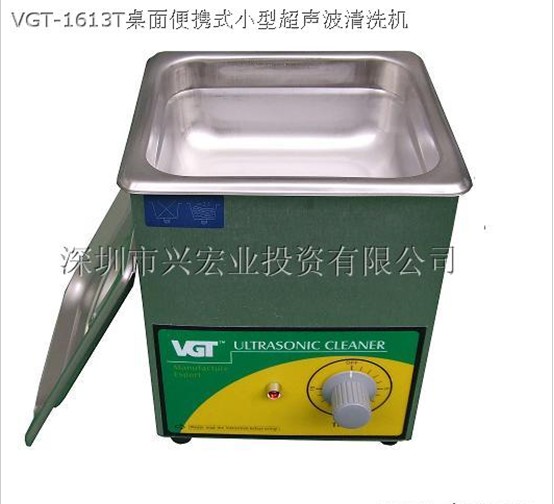
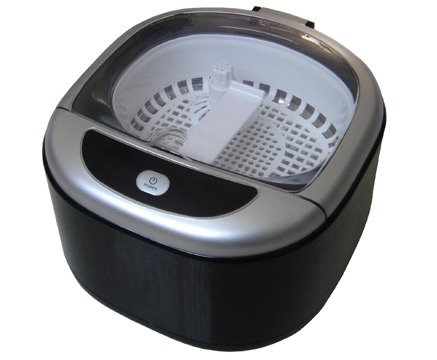
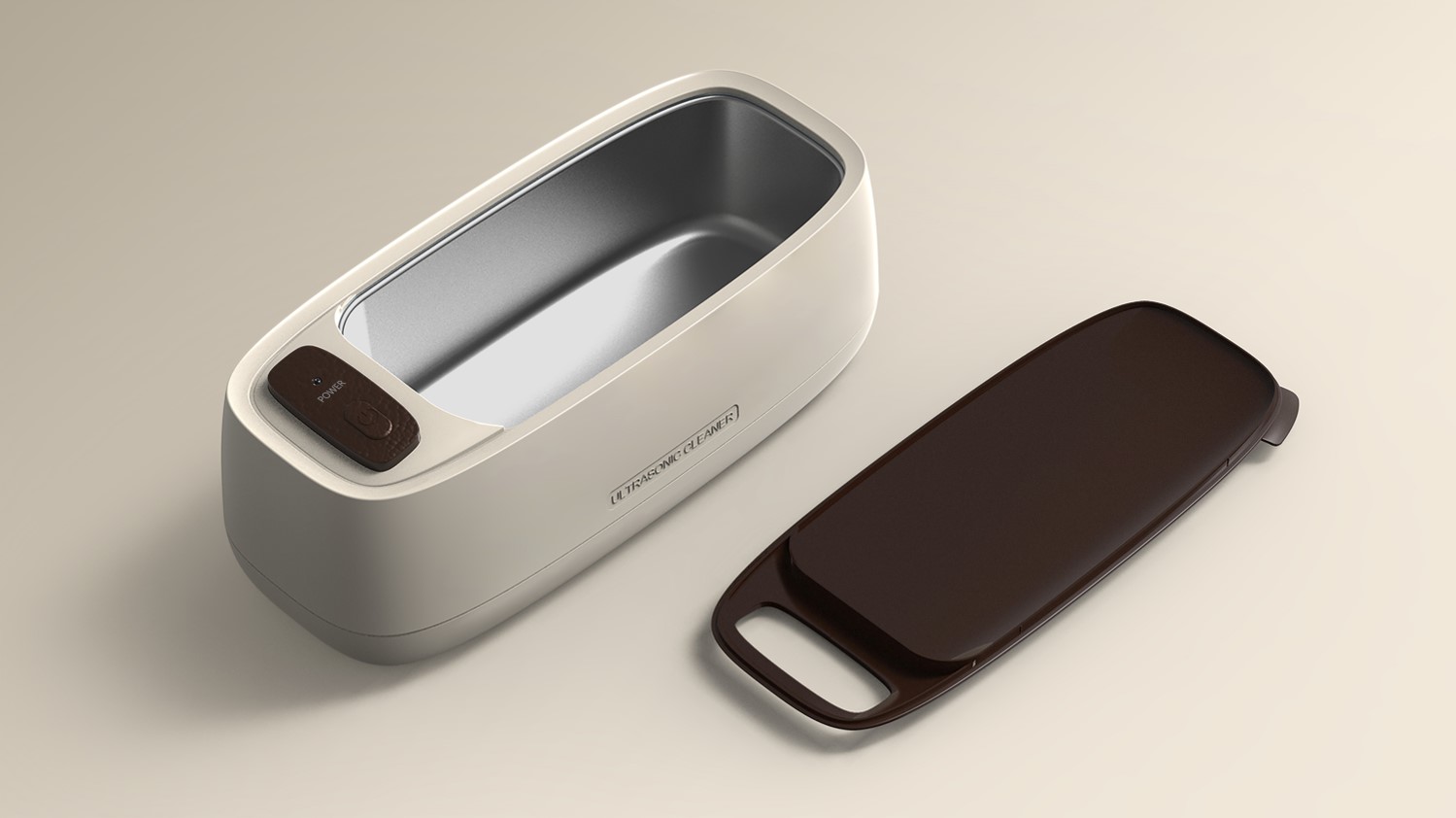
Household Ultrasonic Cleaners
Source Household Ultrasonic Cleaners from vetted suppliers and manufacturers in China. Designed for importers, wholesalers, distributors, and brands seeking reliable OEM/private-label production, our catalog connects you directly with factory-direct pricing for bulk orders of high-quality consumer cleaning appliances.
Household ultrasonic cleaners appear simple on the surface—a plastic housing, a stainless steel tank, and a basic PCB. However, sourcing reliable units in volume requires navigating a fragmented manufacturing base where the difference between a durable appliance and a high-return liability lies entirely out of sight. The critical failure points—transducer bonding, waterproofing seals, and electronic stability—demand rigorous supplier vetting and a deep understanding of the assembly process.
Core Specifications and Component Selection
When specifying a household ultrasonic cleaner for private label or wholesale, the internal components dictate both the cleaning efficacy and the lifespan of the unit. Consumer models typically target jewelry, eyewear, aligners, and cosmetic tools, which require specific frequencies to avoid damaging delicate items while effectively removing debris.
- Frequency: 42kHz is the industry standard for household applications. Frequencies under 40kHz are too aggressive for delicate jewelry and can cause cavitation damage to softer stones, while frequencies over 45kHz offer finer cleaning but require more power.
- Transducer Quality: The piezoelectric transducer is the heart of the machine. High-quality suppliers use industrial-grade transducers even in consumer models, ensuring consistent cavitation.
- Tank Material: SUS304 stainless steel is mandatory for water and mild solvent resistance. Stamped tanks must be flawlessly polished to prevent micro-pitting where rust can form.
| Component | Standard Market Spec | Premium / OEM Spec |
|---|---|---|
| Operating Frequency | 40kHz - 42kHz | 45kHz or Dual Frequency |
| Transducer Power | 20W - 35W | 40W - 50W |
| Tank Construction | SUS304 (0.8mm) | SUS304 (1.0mm) or SUS316 |
| Housing Material | Standard ABS | Impact-resistant ABS with UV coating |
Ensure your chosen manufacturer has the technical capability to meet strict transducer bonding and waterproofing standards.
Talk to our teamManufacturing Vulnerabilities and Quality Control
The most common reason for premature failure in household ultrasonic cleaners is transducer detachment. Transducers are bonded to the bottom of the stainless steel tank using industrial epoxy resin. If the factory rushes the curing process, applies uneven pressure, or fails to properly sandblast the tank bottom prior to bonding, the transducer will eventually detach due to the intense vibrations.
Additionally, because these devices combine water and electricity, waterproofing is paramount. A compromised silicone seal around the tank lip will allow water to seep onto the PCB, causing a short circuit.
To mitigate these risks, implementing strict Quality Control & Inspection protocols during production is essential.
Critical QC Checkpoints for Ultrasonic Cleaners
- Verify epoxy curing times and temperatures on the transducer assembly line.
- Inspect the silicone gasket sealing the tank to the upper housing for uniform compression.
- Conduct high-voltage (Hi-Pot) testing to ensure electrical safety and isolation.
- Test the PCB for thermal stability under continuous operation cycles.
- Check for consistent cavitation using the aluminum foil test during pre-shipment inspection.
Thorough Factory Audits before placing an order can reveal whether a supplier actually manufactures their own PCBs and bonds their own transducers, or if they are merely an assembly workshop relying on cheap, outsourced sub-assemblies.
OEM Customization and Compliance
For brands looking to differentiate their product lines, household ultrasonic cleaners offer excellent customization potential. While the internal tank dimensions are often fixed by existing tooling, the outer housing, control interfaces (touch panels vs. physical buttons), and cleaning cycle presets can be tailored through OEM/ODM Services.
Regulatory compliance is non-negotiable. Household electronics require CE and RoHS for the European market, and FCC certification for the United States. Furthermore, if the unit utilizes a separate power adapter, that adapter must carry its own safety certifications (such as UL or ETL). Working with a partner who understands Compliance & Testing ensures your shipments won't be held up at customs due to improper documentation.
Pricing, MOQs, and Lead Times
The manufacturing hub for consumer ultrasonic cleaners is heavily concentrated in Guangdong province, particularly around Shenzhen and Dongguan. Pricing is highly dependent on order volume, transducer power, and cosmetic finishes.
Navigate MOQ requirements and negotiate favorable terms for your next production run with vetted manufacturers.
Get a free consultationFrequently Asked Questions
Successfully sourcing household ultrasonic cleaners requires looking past the cosmetic design to focus on internal engineering and assembly precision. By partnering with a team that understands the nuances of transducer bonding and electrical safety, you can secure reliable production lines that protect your brand's reputation and bottom line.
Get Sourcing Help for Household Ultrasonic Cleaners
Tell us your requirements and our experts will connect you with verified manufacturers.