Household Thermometers
Source wholesale household thermometers directly from vetted manufacturers and suppliers. This catalog is designed for importers, distributors, and home & garden brands seeking bulk procurement, private-label, or OEM/ODM production. Find reliable factory partners for high-accuracy digital and analog models at competitive trade prices.
Sourcing household thermometers in commercial volumes requires balancing unit cost with reliable calibration. Whether you are importing basic indoor/outdoor wall thermometers or digital climate monitors for garden retail, the primary sourcing challenge remains consistent: ensuring batch-to-batch accuracy and durable weatherproofing over tens of thousands of units.
When buying at scale, the difference between a high-return liability and a profitable staple product comes down to sensor quality, casing integrity, and the factory's internal testing protocols.
Core Sensor Technologies and Specifications
The reliability of a household thermometer depends entirely on its internal components. Buyers must specify the exact technology and acceptable tolerance levels in their purchase orders.
| Technology | Core Component | Typical Accuracy | Best Application |
|---|---|---|---|
| Analog (Mechanical) | Bimetallic Coil | ± 1.5°C to 2.0°C | Outdoor garden, basic wall units |
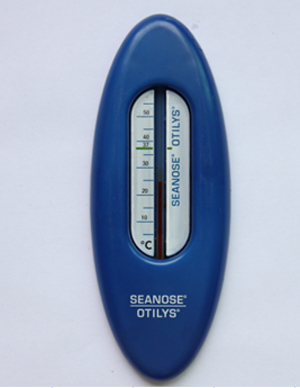
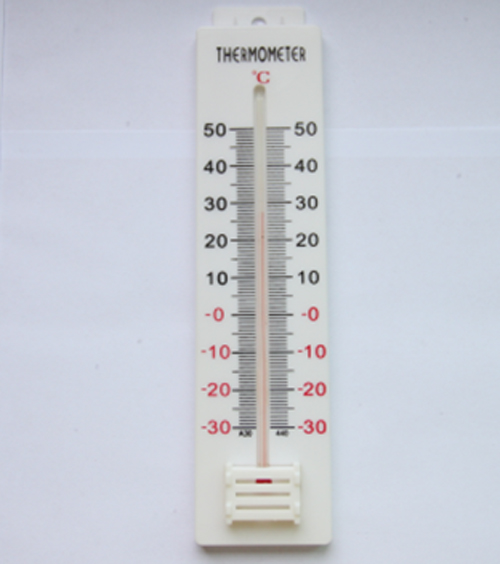
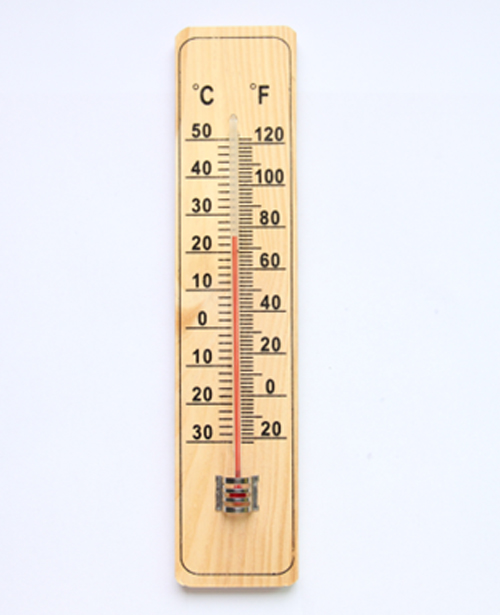
| Analog (Liquid) | Kerosene/Alcohol (Mercury-free) | ± 1.0°C | Greenhouses, traditional decor |
| Digital (Basic) | NTC Thermistor | ± 0.5°C to 1.0°C | Indoor climate monitoring |
| Digital (Advanced) | Digital IC Sensor | ± 0.3°C to 0.5°C | Smart home, weather stations |
For digital units, specify the refresh rate (typically 10 to 30 seconds) and the operating temperature range of the LCD screen, as standard LCDs will ghost or fail in freezing outdoor conditions.
Need help identifying factories with genuine calibration capabilities? Let us verify your supplier's technical competence.
Talk to our teamManufacturing Capabilities: Assembly vs. Calibration
Many suppliers of household thermometers are purely assembly workshops. They purchase plastic housings, printed circuit boards (PCBs), and pre-calibrated sensors from sub-suppliers, snapping them together for export. While this keeps costs low, it introduces massive quality risks.
Serious buyers must ensure the manufacturer has in-house temperature and humidity testing chambers. Without these, the factory cannot verify if the final assembly altered the sensor's accuracy. Conducting thorough Factory Audits is critical to confirm the presence of operational environmental testing equipment and properly trained quality assurance staff.
Quality Control and Weatherproofing
For thermometers marketed for garden or outdoor use, moisture ingress is the leading cause of failure. Digital units require conformal coating on the PCBs and proper silicone gasketing around the battery compartment to achieve an IP44 to IP65 rating. Analog units need UV-resistant ABS plastic or powder-coated metal casings to prevent yellowing and rust.
Pre-Shipment Inspection Focus Areas
- Accuracy verification against a calibrated master reference thermometer
- Water submersion or spray testing for IP-rated outdoor models
- UV exposure testing on plastic casings to ensure colorfastness
- Battery terminal inspection for anti-corrosion plating
- Screen legibility checks at extreme viewing angles (for digital models)
Implementing rigorous Quality Control & Inspection before the goods leave the factory ensures that defective batches are reworked on the supplier's dime, not yours.
Compliance and Market Regulations
While analog thermometers face few regulatory hurdles (provided they are strictly mercury-free), digital household thermometers are classified as electronics. To import and sell these legally in major markets, you must ensure the factory can provide valid test reports.
Key certifications include CE (EMC directive) and RoHS for the European market, and FCC Part 15 for the United States. Additionally, if the product includes batteries, you will need UN38.3 test reports for safe shipping. Partnering with a team that manages Compliance & Testing protects your shipments from customs seizures and retail rejection.
Typical Pricing, MOQs, and Lead Times
Pricing in this category is highly dependent on the sensor type, casing material (plastic vs. stainless steel), and whether you are buying off-the-shelf designs or utilizing OEM/ODM Services for custom molds.
Ready to negotiate better terms for your next bulk order? We handle supplier communication, pricing, and fulfillment.
Get a free consultationFrequently Asked Questions
Successful procurement of household thermometers requires looking past the glossy catalog photos and interrogating the factory's engineering and testing capabilities. By specifying the exact sensor tolerances and enforcing strict pre-shipment inspections, you can build a reliable, high-margin product line. If you need experienced boots on the ground to manage supplier vetting and quality assurance, our team is ready to assist.
Get Sourcing Help for Household Thermometers
Tell us your requirements and our experts will connect you with verified manufacturers.