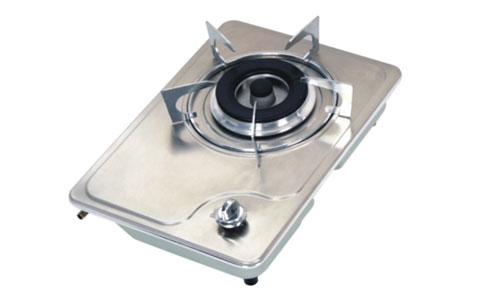
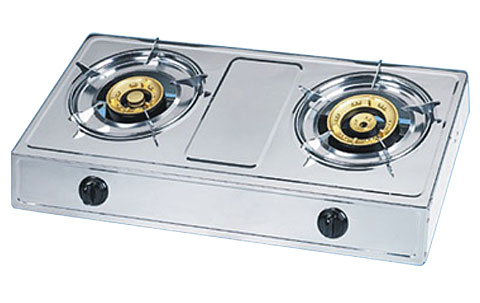
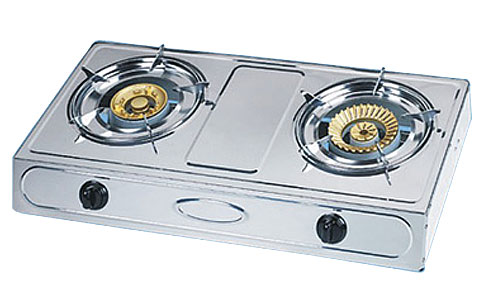
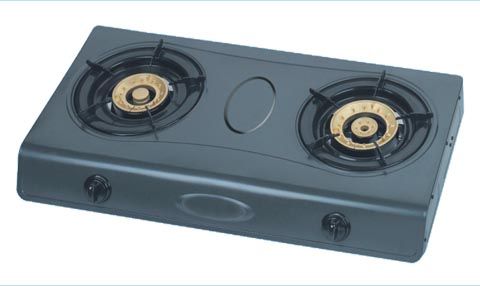
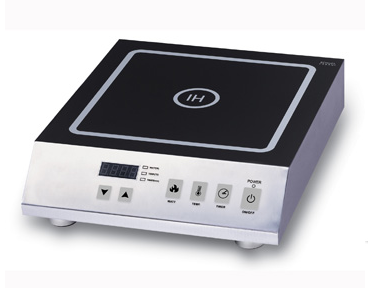
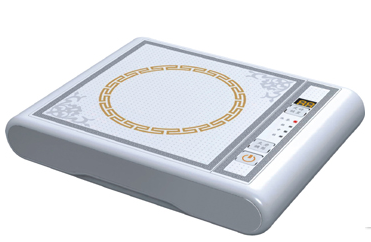
Hot Plates
Source high-quality hot plates directly from vetted manufacturers and suppliers. This category is designed for importers, distributors, and brands seeking reliable OEM and private-label production in bulk. Find competitive pricing and scalable manufacturing for your small kitchen appliance portfolio.
Sourcing hot plates in bulk requires a careful balance of thermal efficiency, electrical safety, and unit cost. Whether you are expanding a consumer small kitchen appliance lineup or equipping light commercial spaces, identifying a factory with rigorous assembly standards is critical. High return rates in this category are almost always driven by premature heating element failure, faulty thermostats, or housing degradation—risks that can be mitigated through proper specification and supplier vetting.
Heating Technology and Core Specifications
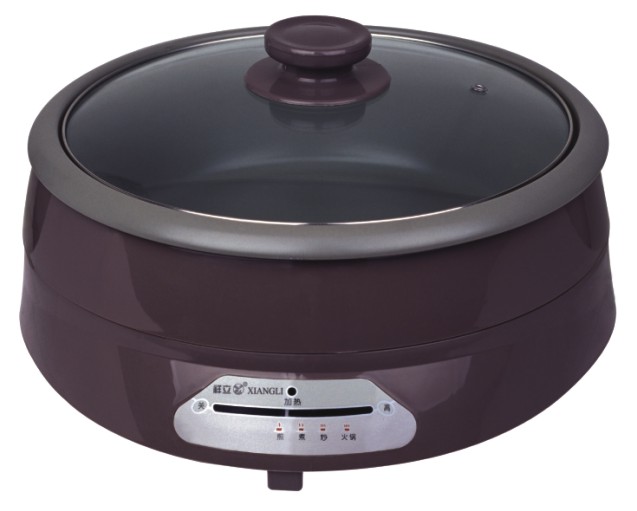
The foundational decision when developing or importing a hot plate is the heating element type. This dictates the product's performance, target market, and manufacturing cost. Factories specialize in different element technologies, and selecting the right one aligns your product with your buyer's expectations.
| Element Type | Thermal Retention | Durability | Relative Cost |
|---|---|---|---|
| Exposed Coil | Low | Medium | Low |
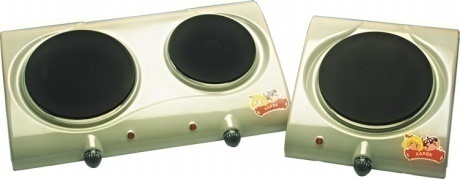
| Solid Cast Iron | High | High | Medium |
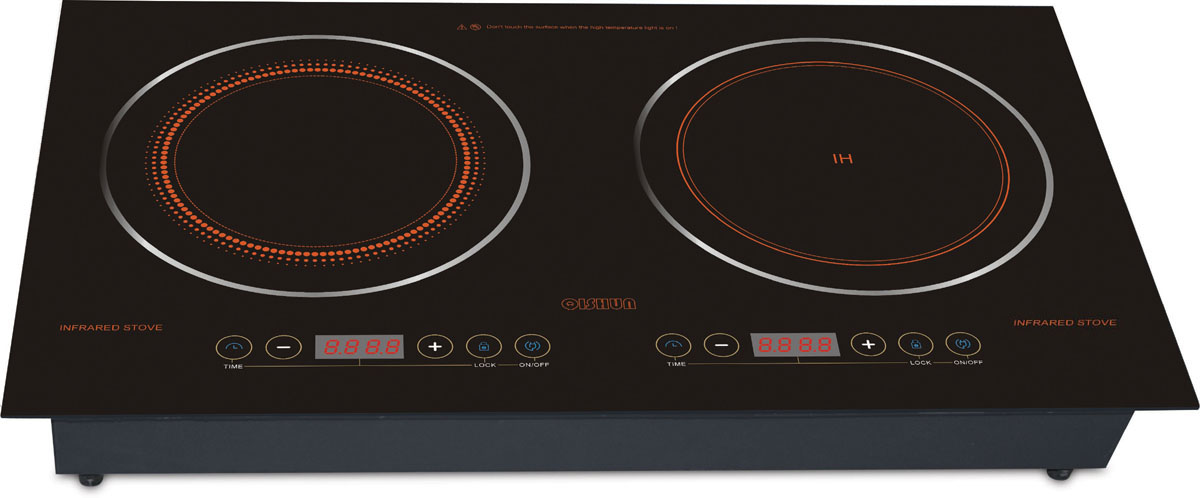
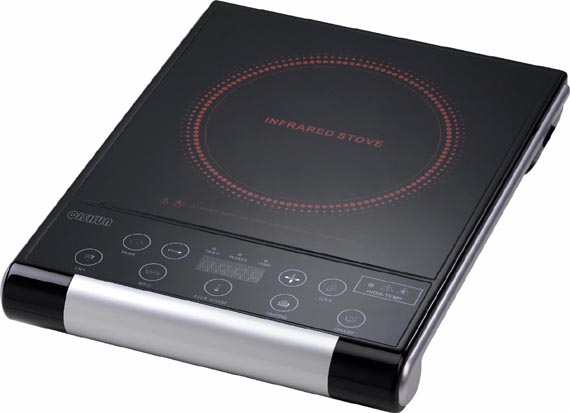
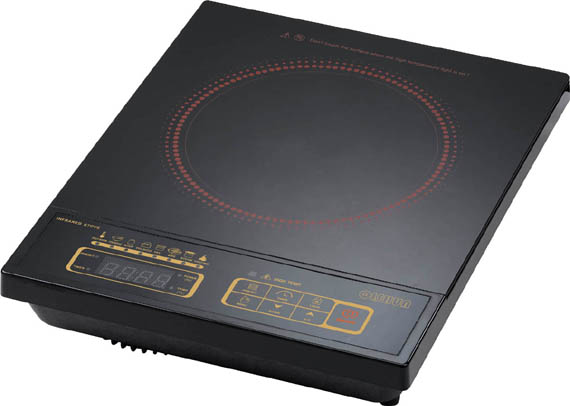
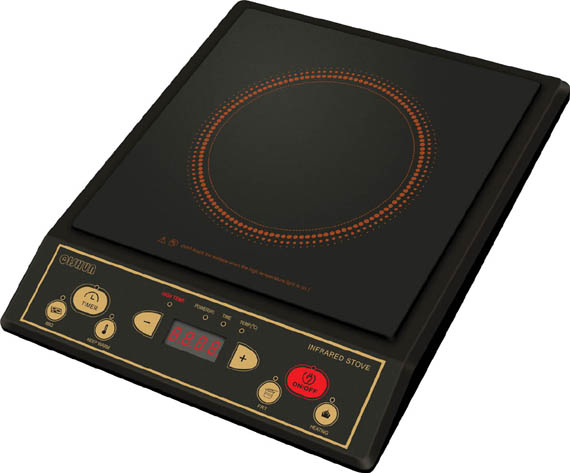
| Infrared / Ceramic | Medium | High | High |
Beyond the heating element, buyers must specify the housing material and wattage. Standard single-burner units typically draw 1000W to 1500W, while double burners often split 2000W to 2500W across two plates (e.g., 1500W + 1000W) to remain within the safe limits of standard 15-amp household circuits. For the housing, powder-coated cold-rolled steel is the baseline for budget models, whereas grade 304 or 201 stainless steel is preferred for premium and commercial-grade units due to its resistance to heat discoloration and corrosion.
Need help identifying the right factory for your specific technical requirements? Our sourcing engineers can match you with suppliers proven in high-wattage appliance manufacturing.
Talk to our teamManufacturing Quality and Compliance Standards
Because hot plates draw continuous high current and generate extreme localized heat, electrical safety and thermal management are paramount. A common point of failure in poorly manufactured units is the internal wiring. Wires must be insulated with high-temperature fiberglass or silicone, and connections must be mechanically crimped rather than soldered, as solder can melt under operating temperatures.
Ensuring your supplier uses reliable bimetallic thermostats and thermal fuses is non-negotiable. These components prevent catastrophic overheating if a unit is left on indefinitely. When importing to Western markets, working with a partner who understands Compliance & Testing is essential to secure valid UL, ETL, CE, or RoHS certifications.
Pre-Shipment Inspection Focus Areas
To catch defects on the factory floor, your Quality Control & Inspection protocol should include specific stress tests.
Critical QC Checks for Hot Plates
- Hi-Pot (High Potential) testing to verify electrical insulation and grounding.
- Thermostat cycling test to ensure accurate temperature regulation.
- Housing temperature check (ensuring exterior surfaces do not exceed safety limits).
- Visual inspection for uniform powder coating or stainless steel finishing.
- Stability check to ensure rubber feet are level and secure.
Wholesale Pricing, Lead Times, and MOQs
Unit costs for hot plates fluctuate based on raw material prices—specifically steel, copper (for power cords), and cast iron. Customizing housing shapes or tooling new control knobs will require engaging OEM/ODM Services, which increases initial investment but differentiates your product in a crowded market.
When negotiating with manufacturers, pay close attention to the power cord specifications. Factories often quote lower prices by using thinner gauge copper wire (e.g., 18 AWG instead of 16 AWG) or shorter cord lengths. Always specify the exact AWG and length required for your target market's safety standards.
Ready to negotiate pricing and terms? Let us help you secure competitive bulk rates without compromising on internal component quality.
Get a free consultationFrequently Asked Questions
Securing a reliable supply chain for hot plates requires looking past the exterior housing and thoroughly verifying the factory's electrical safety protocols. Conducting thorough Factory Audits before placing your first bulk order ensures your supplier has the engineering capability and quality management systems necessary to deliver safe, high-performing appliances at scale.
Get Sourcing Help for Hot Plates
Tell us your requirements and our experts will connect you with verified manufacturers.