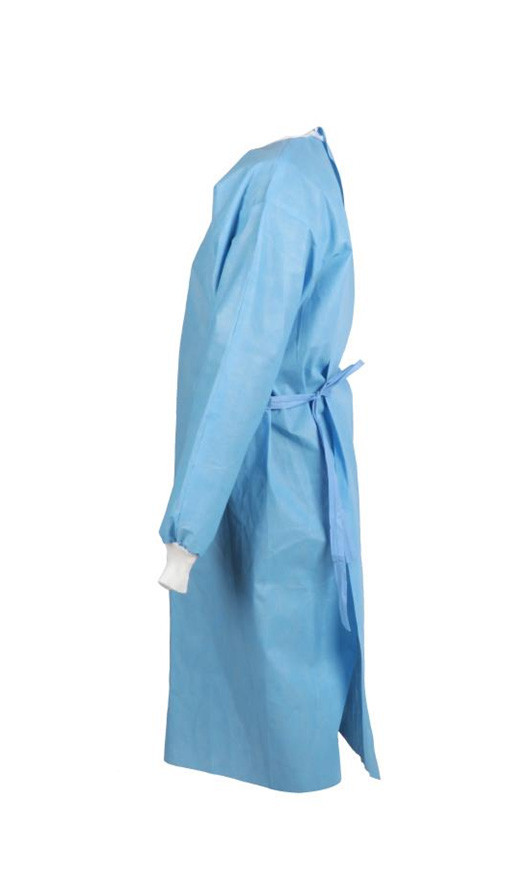
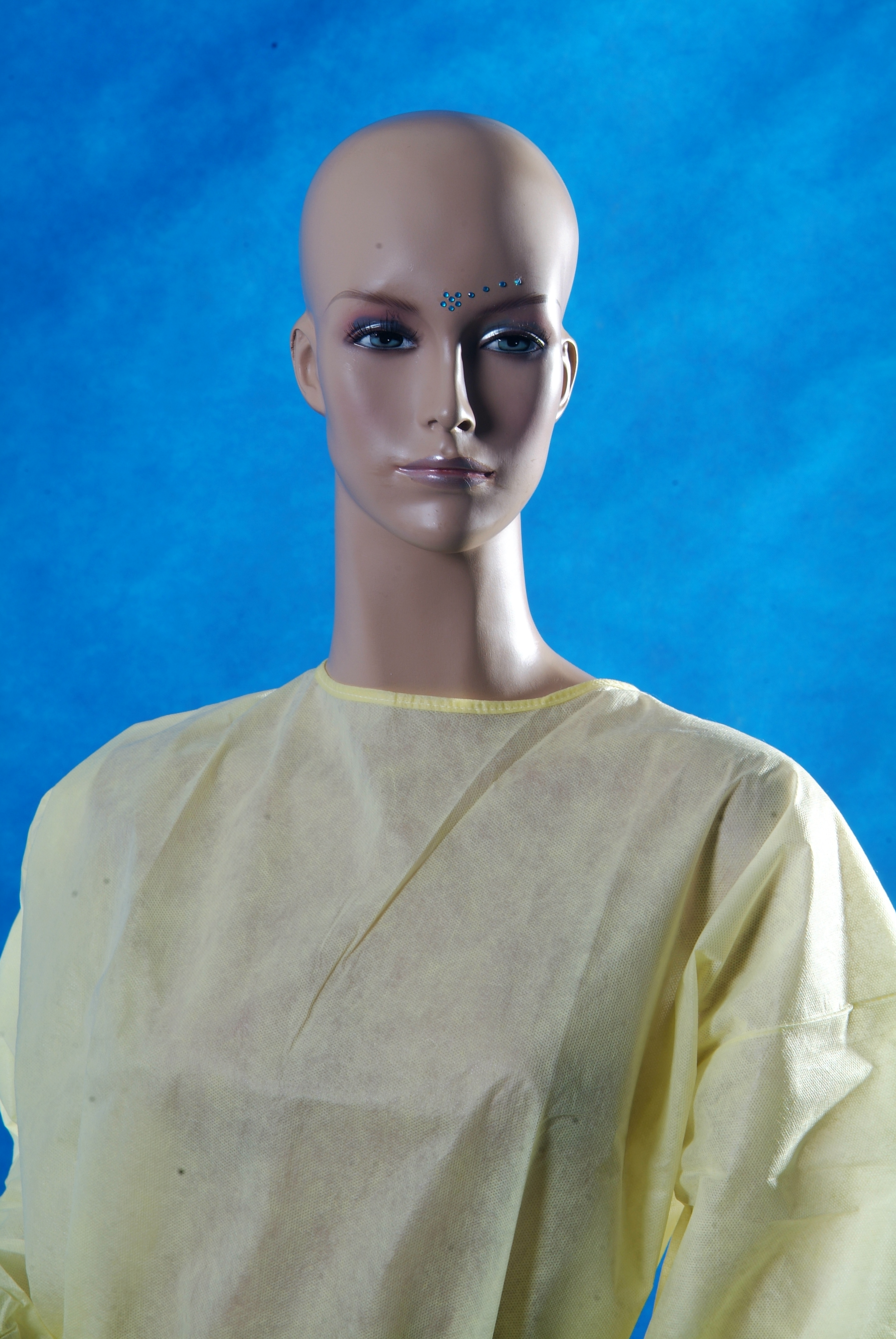
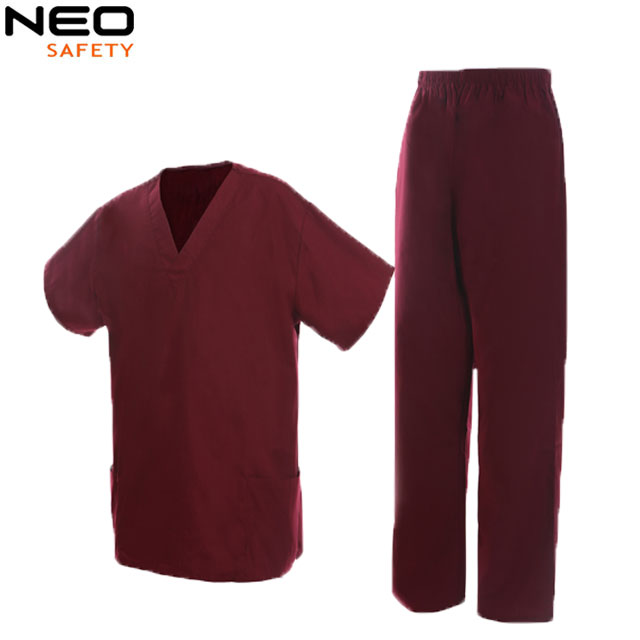
Hospital Uniforms
Source premium hospital uniforms from vetted manufacturers and suppliers across Asia. Built for healthcare distributors, procurement managers, and medical apparel brands looking for reliable wholesale and OEM/ODM production. We ensure strict compliance, consistent quality, and scalable manufacturing.
Sourcing hospital uniforms at scale requires balancing wearer comfort, rigorous hygiene standards, and industrial laundering durability. The core challenge in medical apparel procurement lies in specifying the right technical fabrics and ensuring the factory maintains strict color consistency, dimensional stability, and seam integrity across massive production runs.
Technical Fabric Specifications
The foundation of any medical uniform is the fabric blend and its weight (measured in GSM). Hospital environments demand textiles that can withstand harsh chemical sterilization and high-temperature washing while remaining breathable for 12-hour shifts.
When negotiating with suppliers, clearly define your required blend, weave, and finish. Simply requesting "polyester-cotton" is insufficient; you must specify the exact ratio, yarn count, and treatments.
| Fabric Blend | Performance Profile | Typical Application |
|---|---|---|
| 65% Polyester / 35% Cotton | High durability, minimal shrinkage, cost-effective | Standard bulk hospital issue |
| 72% Poly / 21% Rayon / 7% Spandex | 4-way stretch, ultra-soft hand feel, fluid drape | Premium private-label medical apparel |
| 99% Polyester / 1% Carbon Fiber | Anti-static, highly fluid-resistant, lightweight | Specialized surgical or cleanroom environments |
Functional Finishes
Modern healthcare apparel often requires secondary chemical treatments. If specifying antimicrobial or fluid-repellent finishes (like fluorocarbon treatments), require the factory to provide wash-cycle degradation data. A standard finish should retain its efficacy for a minimum of 50 industrial wash cycles.
Manufacturing Standards and Defect Prevention
Quality is won or lost on the factory floor during the cutting and sewing phases. Hospital uniforms undergo severe stress, particularly at the pockets, side seams, and waistbands.
When setting up your inspection criteria, ensure your quality control and inspection protocols specifically check for:
- Seam Construction: Require double-needle topstitching on all critical seams.
- Stress Point Reinforcement: Bar tacking must be present at pocket corners, side slits, and V-neck overlaps.
- Colorfastness: Uniforms are frequently washed with chlorine-based detergents. Specify a colorfastness to washing rating of 4 or higher (ISO 105-C06 standard) to prevent premature fading.
- Dimensional Stability: Shrinkage must be strictly controlled. Acceptable shrinkage for woven poly-cotton should be under 3 percent, while knit components or high-spandex blends may require specific pre-shrinking treatments to stay under 5 percent.
Need to verify a factory's technical capabilities and quality management systems before placing a volume order?
Talk to our teamVetting Medical Apparel Factories
Not all garment manufacturers are equipped to produce medical uniforms. Factories accustomed to fast fashion often lack the precision required for medical apparel sizing and the machinery for heavy-duty reinforced stitching.
Key Factory Verification Points
- OEKO-TEX Standard 100 certification for raw materials (ensuring no harmful substances).
- In-house testing laboratories for pilling resistance, tear strength, and color matching.
- Automated cutting machines to ensure exact dimensional consistency across sizes.
- Experience with complex grading for Western sizing charts, which differ drastically from Asian domestic sizing.
Before committing to a new supplier, conducting thorough factory audits is essential to verify their machinery, capacity, and compliance with ethical labor standards.
Pricing, MOQs, and Production Lead Times
Unit costs in hospital uniform manufacturing are highly sensitive to fabric composition and custom dyeing. Standard colors (ceil blue, navy, hunter green) utilizing stock fabrics will command lower minimums and better pricing. Custom Pantone matching requires lab-dip approvals and significantly higher fabric minimums from the textile mill.
For brands looking to develop proprietary fits or utilize advanced stretch fabrics, utilizing comprehensive OEM/ODM services ensures that pattern grading, fabric sourcing, and mass production are seamlessly integrated.
Looking to develop a custom private-label medical apparel line with reliable unit economics?
Get a free consultationSuccessful procurement in the hospital uniform category requires moving beyond unit price and focusing on total cost of ownership. A uniform that fades or tears after 20 washes costs a healthcare facility far more than a properly constructed garment that lasts for 60. By strictly defining your technical specifications and holding factories accountable through rigorous inspection, you protect both your margins and your end-users.
Get Sourcing Help for Hospital Uniforms
Tell us your requirements and our experts will connect you with verified manufacturers.