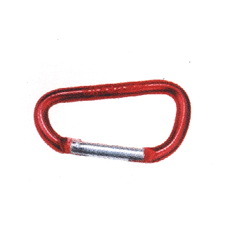
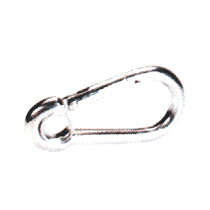
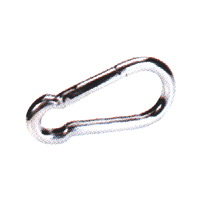
Hooks
Source high-quality hooks from vetted manufacturers and suppliers across China and Asia. Designed for hardware importers, wholesalers, distributors, and brands requiring reliable bulk production, our wholesale hook solutions cover everything from standard commercial hardware to custom OEM designs with rigorous quality control.
Sourcing industrial, commercial, and consumer hardware hooks at scale requires strict attention to metallurgical consistency, load-bearing certification, and finish durability. A minor variance in wire drawing, heat treatment, or electroplating can compromise the Safe Working Load (SWL) or lead to premature corrosion, turning a basic hardware component into a severe product liability.
Material Selection and Load Capacities
The foundational decision in hook manufacturing is specifying the correct base material and temper. Chinese hardware manufacturers typically work with three primary metal categories for hook production, each dictating the manufacturing method and final application.
When establishing specifications, you must define the exact alloy grade rather than accepting generic terms like "steel" or "stainless."
| Material Grade | Common Manufacturing Method | Corrosion Resistance |
|---|---|---|
| Carbon Steel (Q235, 1045) | Cold bending, Drop forging | Low (requires heavy plating) |
| Stainless Steel (304, 316) | Investment casting, Cold forming | Excellent (marine & exterior) |
| Zinc Alloy (Zamak 3/5) | Die casting | Moderate (decorative/light duty) |
For load-bearing applications, carbon steel components must undergo precise heat treatment to achieve the necessary tensile strength without becoming brittle. If you are developing proprietary hardware profiles, specifying the correct alloy is the first step in successful OEM/ODM Services.
Need help validating supplier metallurgical reports or developing a custom hook profile? Let our engineering team review your specifications.
Talk to our teamManufacturing Processes and Finish Quality
The production method dictates both the structural integrity and the tooling costs associated with the hook.
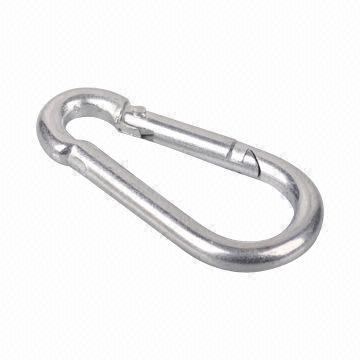
- Cold Forming/Wire Bending: Used for standard S-hooks, J-hooks, and threaded eye hooks. This is a high-speed, low-cost process, but wire gauge tolerances must be strictly monitored.
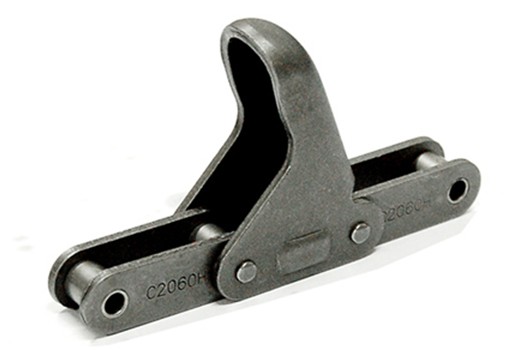
- Drop Forging: Essential for heavy-duty lifting hooks and rigging hardware. The forging process aligns the grain structure of the metal, maximizing strength.
- Die Casting: Commonly used for consumer and decorative hooks (e.g., coat hooks, utility hooks). It allows for complex geometric designs but is unsuitable for heavy dynamic loads.
Controlling Surface Treatments
Corrosion resistance is where many low-cost suppliers cut corners. Whether you specify hot-dip galvanizing, zinc electroplating, or powder coating, the thickness and adhesion of the finish must be verified.
Critical Quality Checks for Hook Finishes
- Salt Spray Test (SST) duration verification (e.g., 48h, 72h, or 96h depending on application)
- Micrometer checks for plating thickness (typically measured in microns)
- Cross-hatch adhesion testing for powder-coated or painted hooks
- Thread inspection (if applicable) post-plating to ensure nuts/anchors still thread smoothly
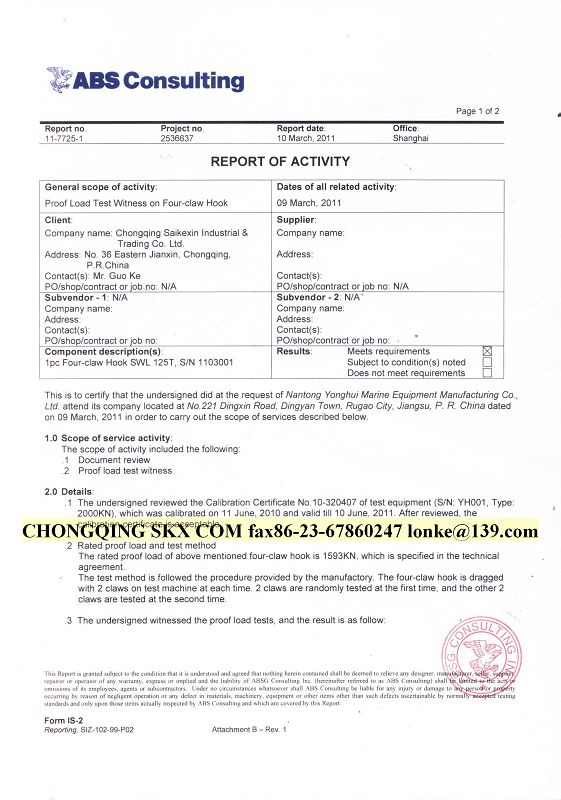
Relying solely on factory-provided certificates is risky. Implementing independent Quality Control & Inspection before the goods leave the factory ensures that finish defects are caught before international shipping.
Buying Mechanics: MOQs, Tooling, and Lead Times
Because hooks are mass-produced commodity items, factory Minimum Order Quantities (MOQs) are generally high to justify machine setup times and electroplating batch minimums.
Pricing is heavily indexed to raw material costs (steel, zinc, copper) and the complexity of the surface finish. When negotiating, be aware that a factory quoting significantly below market average is likely reducing the wire gauge slightly or shortening the electroplating cycle. Conducting thorough Factory Audits is the most effective way to confirm that a supplier has the in-house machinery to meet your volume and quality requirements without unauthorized subcontracting.
Struggling to find reliable hardware manufacturers that meet your target pricing and quality standards? We can handle the sourcing and vetting process.
Get a free consultationFrequently Asked Questions
Consistent Supply Starts with Strict Specifications
Successfully sourcing bulk hooks requires moving past generic product catalogs and focusing on the underlying engineering: exact material grades, precise wire gauges, and verified finish tolerances. By locking down these specifications early and enforcing them through rigorous factory-level inspections, you can secure a reliable, compliant supply chain. When you are ready to scale your hardware purchasing, professional on-the-ground management ensures your specifications are met every time.
Get Sourcing Help for Hooks
Tell us your requirements and our experts will connect you with verified manufacturers.