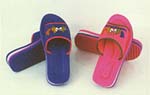
Home Slippers
Source high-quality home slippers from vetted manufacturers and wholesale suppliers across Asia. Built for importers, distributors, and footwear brands seeking reliable bulk production, our network delivers custom OEM, private-label manufacturing, and scalable supply chain solutions tailored to your exact specifications.
Sourcing home slippers at scale requires balancing strict unit economics with tangible comfort and durability. While the construction of an indoor slipper appears straightforward, variations in foam density, outsole bonding, and fabric shedding dictate whether a production run meets retail standards or results in high return rates. For volume buyers, securing a reliable supply chain means tightly controlling material specifications and manufacturing tolerances from the very first sample.
Material Specifications and Outsole Selection
The defining characteristics of a home slipper are dictated by the upper fabric and the outsole material. Uppers typically utilize coral fleece, faux suede, micro-terry, or knitted cotton. However, the outsole determines the product's lifespan, manufacturing cost, and suitability for different retail tiers.
Specifying the wrong outsole material can lead to cracking, poor slip resistance, or excessive weight.
| Outsole Material | Weight & Flexibility | Cost Profile | Primary Application |
|---|---|---|---|
| TPR (Thermoplastic Rubber) | Heavier, excellent flexibility | Medium-High | Premium indoor/outdoor hybrids |
| EVA (Ethylene Vinyl Acetate) | Ultra-light, prone to compression | Low | Lightweight indoor, hotel/spa |
| PVC (Polyvinyl Chloride) | Heavy, rigid in cold weather | Low | Budget mass-market retail |
| Fabric with Silicone Dots | Featherweight, highly flexible | Very Low | Washable bedroom slippers |
When developing private-label lines, partnering with a facility that offers comprehensive OEM/ODM Services allows you to customize sole molds, specify precise Pantone matches for uppers, and integrate branded detailing like woven labels or custom embroidery.
Need help matching materials to your target unit price?
Discuss your specificationsManufacturing Tolerances and Quality Control
Quality is won or lost on the assembly line, particularly during the cementing (gluing) and stitching phases. Home slippers often fail due to poor adhesive application, which causes the upper to separate from the sole, or due to rapid degradation of the insole foam.
To ensure consistent production, buyers must establish clear acceptable quality limits (AQL) and specify the exact density of the memory foam or sponge used in the footbed. A standard specification for a mid-tier slipper is 40D (density) memory foam combined with a firmer EVA heel wedge for support.
Critical Pre-Shipment Inspection Points for Slippers
- Bonding strength: Conduct pull tests to ensure the upper and outsole do not separate under standard force.
- Symmetry and alignment: Verify that the left and right slippers match in vamp length and toe shape.
- Needle detection: Mandate 100 percent metal detection to ensure no broken needles remain in the plush lining.
- Foam resilience: Test the insole for rebound capability to prevent immediate flattening after initial wear.
- Seam integrity: Check for skipped stitches or loose threads along the binding edge.
Implementing rigorous Quality Control & Inspection protocols before the goods leave the factory is non-negotiable. It is equally important to verify a manufacturer's production capacity and ethical compliance through thorough Factory Audits before placing your first bulk order.
Pricing, MOQs, and Lead Times
The home slipper market is highly competitive, with production heavily concentrated in eastern and southern China. Pricing is closely tied to material costs, order volume, and packaging requirements. Because slippers are bulky, optimizing packaging is critical to controlling landed costs.
Packaging Optimization
Shipping slippers in individual color boxes significantly increases volumetric weight. To maximize container space and reduce freight costs, consider shipping in polybags with a branded header card or belly band, especially for budget to mid-tier lines.
Compare factory-direct pricing and lead times for your next order.
Get a sourcing quoteBuyer FAQ
Successfully sourcing home slippers requires moving past superficial design choices and dictating the exact technical specifications of your materials. By controlling foam densities, demanding rigorous bonding tests, and optimizing your packaging for freight, you can protect your margins and deliver a product that drives repeat business.
Get Sourcing Help for Home Slippers
Tell us your requirements and our experts will connect you with verified manufacturers.