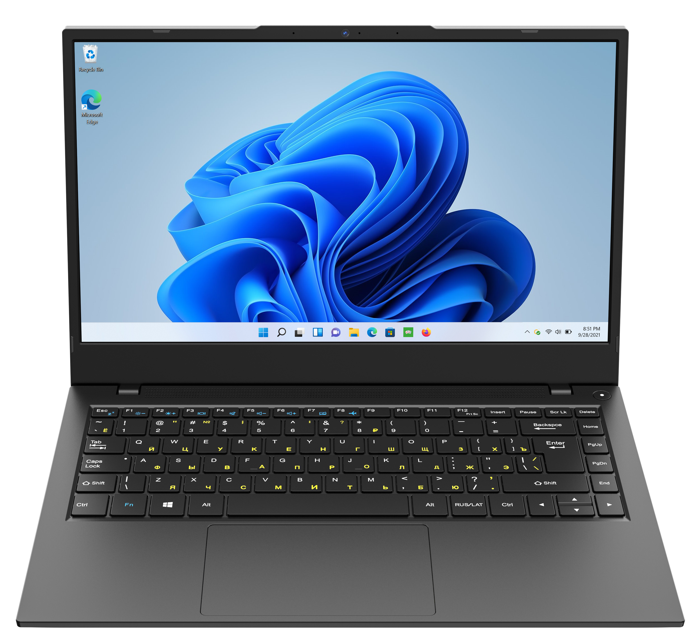
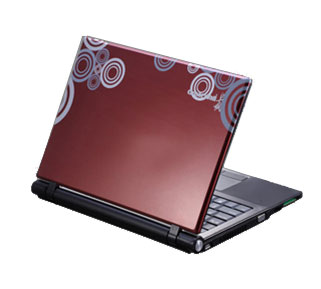
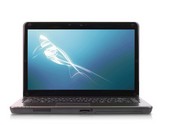
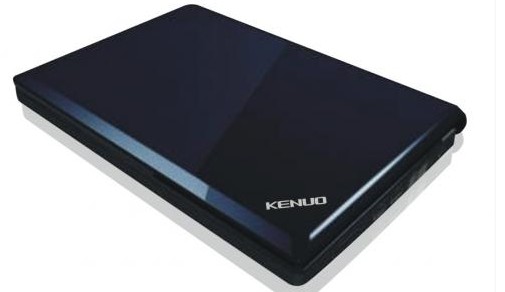
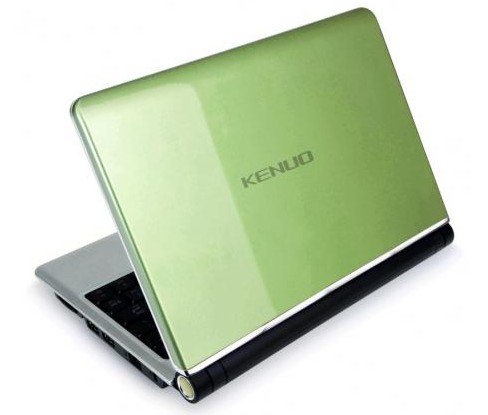
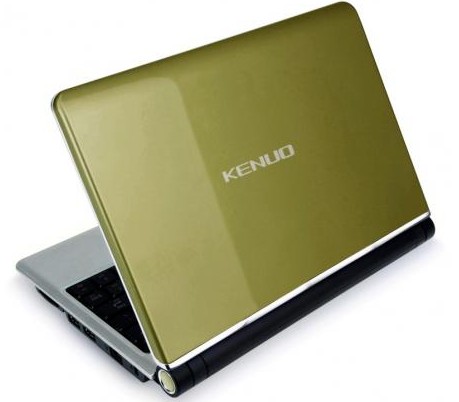
Home & Personal Laptops
Source Home & Personal Laptops from vetted manufacturers and suppliers in Asia. Designed for electronics importers, wholesale distributors, and brands seeking OEM or private-label production, this catalog features reliable bulk manufacturing partners offering customizable configurations and competitive wholesale pricing.
Sourcing home and personal laptops at volume requires navigating a highly fragmented component supply chain and rigorous assembly standards. For bulk buyers, the primary challenge lies in locking in stable component pricing—particularly for processors, memory, and displays—while ensuring the final assembled unit meets strict thermal and battery safety compliance. Success depends on partnering with assembly factories that have direct, reliable allocations from tier-one component foundries and mature surface-mount technology (SMT) capabilities.
Component Selection and Configuration Tiers
Unlike simpler consumer electronics, laptops are complex assemblies of commoditized parts. The core specifications dictate not only the performance but also the target market and the required thermal envelope of the chassis. When negotiating with an ODM, you must specify exact component generations, as "Intel Core i5" can mean a current-generation chip or surplus stock from three years ago.
| Configuration Tier | Typical Processor (CPU) | Memory & Storage | Chassis & Display |
|---|---|---|---|
| Entry-Level (Education/Basic Home) | Intel Celeron / N-Series | 4GB-8GB LPDDR4 / 64GB-128GB eMMC | ABS Plastic, 14-15.6 inch TN or basic IPS (250 nits) |
| Mid-Range (Mainstream Consumer) | Intel Core i3/i5 or AMD Ryzen 3/5 | 8GB-16GB DDR4/DDR5 / 256GB-512GB NVMe SSD | Plastic with Aluminum Lid, 15.6 inch IPS (300 nits) |
| Premium (Prosumer/Creator) | Intel Core i7/i9 or AMD Ryzen 7/9 | 16GB+ LPDDR5 / 1TB+ NVMe Gen4 SSD | Full Aluminum (Stamped or CNC), High Color Gamut IPS/OLED |
When utilizing OEM/ODM Services for a private-label line, standardizing on a single motherboard layout (often referred to as a "barebone" or "whitebook" design) while offering multiple RAM/Storage SKUs is the most cost-effective way to scale production.
Manufacturing Process and Quality Control
A laptop assembly factory is primarily an integrator. The quality of the final product is determined on the SMT line where the motherboards are populated, and during the final assembly where thermal management is applied.
SMT Production & AOI
Motherboards are populated with components. Automated Optical Inspection (AOI) ensures solder joint integrity, which is critical for preventing long-term failure under thermal stress.
Sub-Assembly Integration
Display panels are bonded to the upper casing, and keyboards/touchpads are secured. Hinge tension is calibrated to ensure smooth opening without screen flex.
Thermal Pasting & Assembly
Heat pipes and fans are installed. Inconsistent thermal paste application here is the leading cause of CPU throttling in budget laptops.
Burn-In and Aging
Fully assembled units undergo 12 to 24 hours of sustained load testing in a temperature-controlled environment to identify early component failures.
Struggling with inconsistent component quality or thermal failures from your current laptop supplier? Let Merhein audit your production lines and enforce strict QC protocols.
Talk to our teamCritical Inspection Checkpoints
Implementing rigorous Quality Control & Inspection is non-negotiable. Beyond standard functional testing, specific mechanical and compliance checks must be enforced before shipment:
Pre-Shipment Laptop Inspection Criteria
- Hinge Lifecycle Testing: Verification of tension after 20,000 to 30,000 open/close cycles.
- Thermal Imaging: Sustained load testing to ensure chassis surface temperatures remain under 45 degrees Celsius.
- Battery Certification: Verification of UN38.3 documentation and drop-test results for safe international freight.
- Panel Uniformity: Checking for backlight bleed, dead pixels, and accurate color calibration.
- I/O Port Durability: Insertion and extraction testing for USB-C, HDMI, and power barrel jacks.
Pricing Dynamics, MOQs, and Lead Times
Laptop pricing is highly volatile, tied directly to the spot market for NAND flash (storage), DRAM (memory), and silicon wafers. Quotes from assembly factories are typically only valid for 7 to 14 days.
- Minimum Order Quantities (MOQs): For standard white-label designs using existing chassis tooling, MOQs typically range from 500 to 1,000 units. If you require custom tooling for a unique chassis design, MOQs often exceed 3,000 units to amortize the cost of the molds.
- Lead Times: Standard production runs require 45 to 60 days. However, this can extend to 90 days or more if specific ICs or display panels face supply chain constraints.
- Payment Terms: Given the high cost of components, factories usually require a 30 percent deposit to procure the CPU, memory, and displays, with the balance due after final inspection but before shipment.
Need to lock in component pricing and negotiate favorable MOQs for your next laptop production run? Partner with Merhein to stabilize your supply chain.
Get a free consultationFrequently Asked Questions
Successfully sourcing home and personal laptops requires moving beyond price-per-unit comparisons. By thoroughly auditing SMT capabilities, enforcing rigorous thermal and mechanical testing, and actively managing component market volatility, bulk buyers can secure reliable hardware that minimizes RMA rates and protects brand reputation.
Get Sourcing Help for Home & Personal Laptops
Tell us your requirements and our experts will connect you with verified manufacturers.