Home Heater Parts
Source high-quality Home Heater Parts directly from vetted manufacturers and suppliers. Designed for importers, wholesalers, distributors, and brands seeking OEM production, this catalog connects you with reliable factories capable of bulk volume. Ensure safety compliance and performance for your heating appliance supply chain.
Sourcing home heater parts—whether PTC ceramic elements, nichrome wire assemblies, bimetallic thermostats, or thermal cutoffs—requires balancing stringent safety standards with cost-efficient volume production. Because these components operate under continuous thermal stress, material degradation and calibration drift are the primary risks. Securing a reliable supply chain means vetting factories not just for their output capacity, but for their strict adherence to electrical safety and thermal cycling tolerances.
Critical Specifications and Material Selection
The core of any space heater is its heating element and thermal regulation system. Specifying the right materials dictates the lifespan and safety of the final appliance.
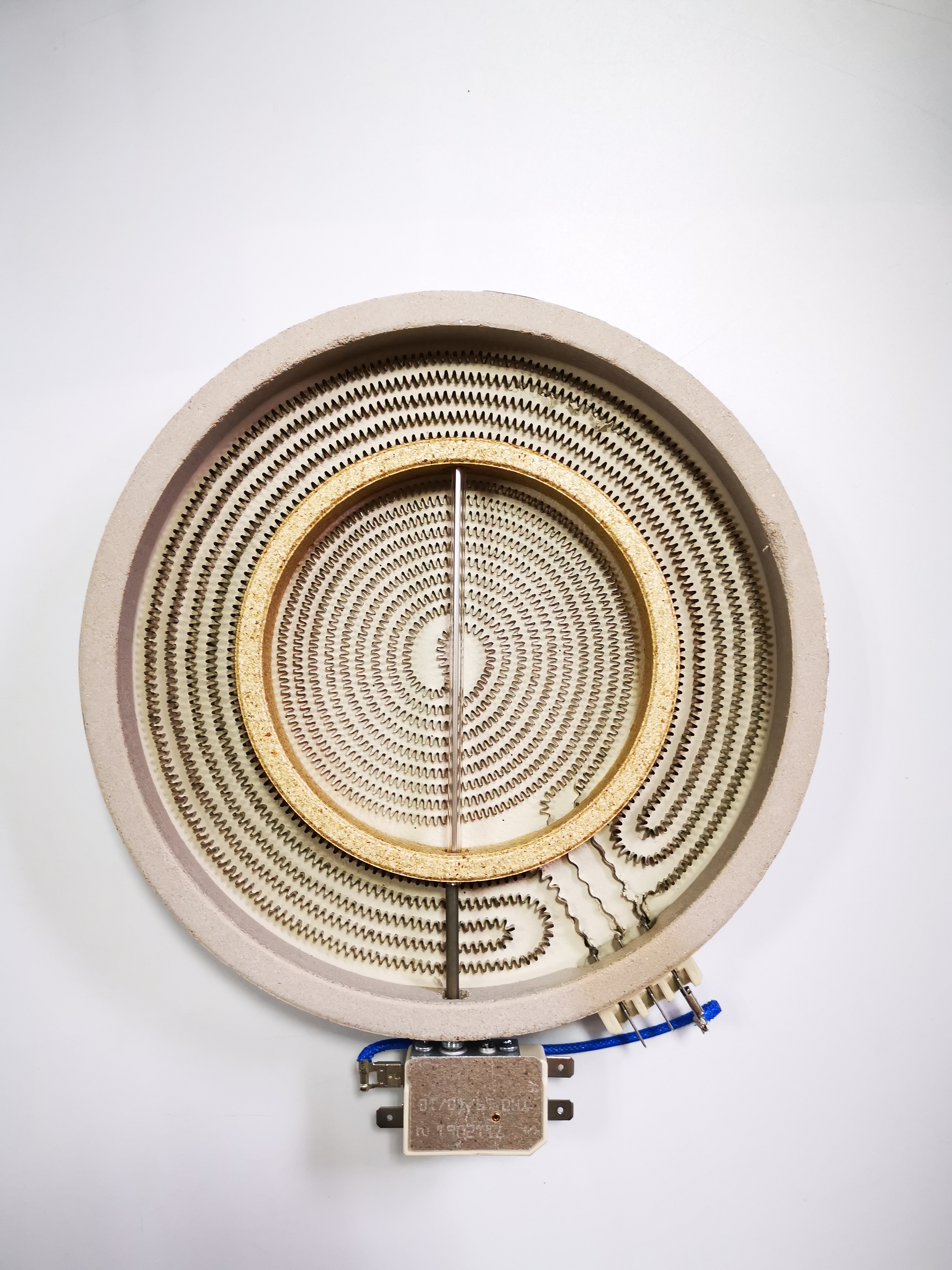
- PTC Heating Elements: Positive Temperature Coefficient ceramics are favored for their self-regulating properties. When sourcing PTC components, buyers must specify the Curie temperature, steady-state power, and inrush current limits. Poorly formulated ceramics will experience rapid power degradation (aging) after just a few hundred hours of use.
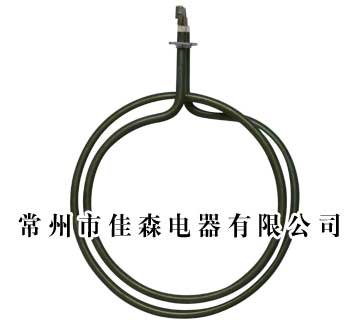
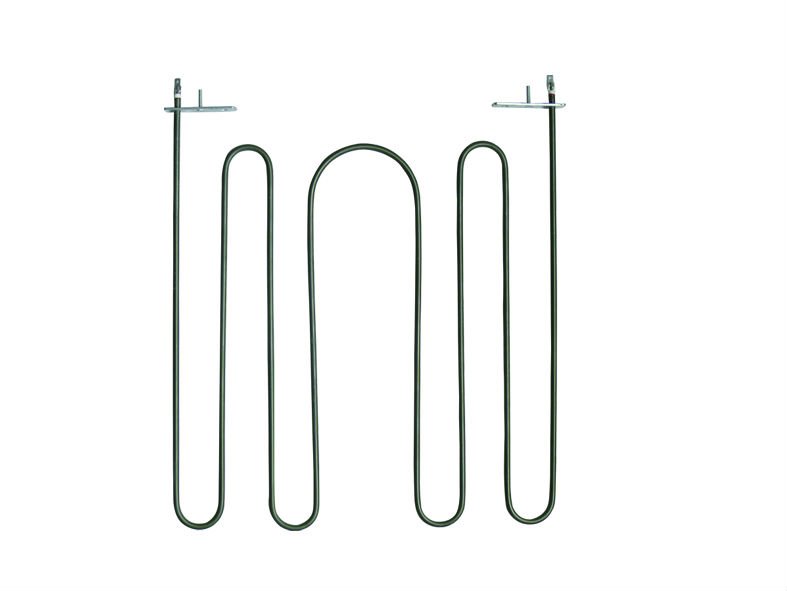
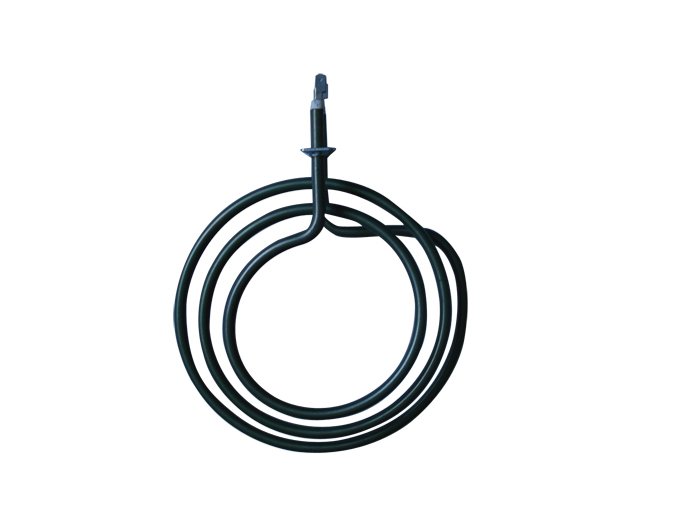
- Resistance Wire (Nichrome/FeCrAl): For radiant and convection heaters, the alloy composition dictates the maximum operating temperature and oxidation resistance. Buyers must verify the wire gauge and winding pitch, as uneven winding leads to hot spots and premature failure.
- Thermostats and Thermal Fuses: The last line of defense against thermal runaway. Bimetallic thermostats must be calibrated to precise activation and reset temperatures. Thermal fuses (cutoffs) require a specified holding temperature and functioning temperature, often verified via destructive batch testing.
Need help vetting component manufacturers and verifying technical specifications?
Get a free consultationManufacturing and Quality Control Checkpoints
Quality in heater parts is won or lost in the details of assembly and calibration. A factory's ability to maintain consistent contact resistance and dielectric strength across thousands of units separates reliable suppliers from risky ones.
Relying on comprehensive Quality Control & Inspection is critical, particularly for electrical connections. Terminals should be securely spot-welded or mechanically crimped; excessive contact resistance at these joints generates unwanted heat, leading to melted housings or fire risks.
Key Factory-Floor QC Checks for Heater Parts
- Dielectric strength (Hi-Pot) testing at 1500V to 2000V for 1 minute to ensure insulation integrity.
- Leakage current testing under normal operating temperatures (typically under 0.75mA).
- Wattage tolerance verification (standard acceptable range is usually +5% to -10%).
- Thermal cycling tests to measure power degradation in PTC elements over time.
- Pull-force testing on terminal crimps and spot welds.
Safety Certifications
Heater components must align with the target market's regulatory standards (UL, CE, VDE, RoHS). Never take a supplier's component certification at face value; ensure proper Compliance & Testing is conducted by accredited third-party labs to verify that the specific batch meets the required safety directives.
Supplier Vetting and OEM Capabilities
The primary manufacturing hubs for heating elements and thermal controls are located in Guangdong (Zhongshan, Foshan) and Zhejiang (Cixi, Ningbo) provinces. While many factories produce off-the-shelf components, brands developing proprietary appliance designs often require custom form factors, specialized wattage outputs, or integrated assemblies.
Partnering with facilities that offer robust OEM/ODM Services allows for custom tooling of mica frames, bespoke PTC aluminum extrusions, and tailored wire harnesses. Before committing to custom tooling, conducting thorough Factory Audits ensures the supplier has the in-house engineering capabilities and quality management systems (like ISO 9001) to consistently execute your designs.
Pricing, MOQs, and Lead Times
Component pricing fluctuates based on raw material costs (copper, aluminum, nickel) and the precision of the required calibration.
When negotiating, volume plays a significant role, but buyers should be wary of prices that fall significantly below the market average. Abnormally low costs often indicate the use of recycled ceramics in PTC elements, thinner wire gauges, or inferior bimetallic discs in thermostats, all of which drastically increase the failure rate of the assembled heater.
Looking to negotiate better pricing and secure reliable production schedules with vetted factories?
Talk to our teamFrequently Asked Questions
Sourcing home heater parts is an exercise in risk management. By specifying exact material grades, insisting on rigorous in-line electrical testing, and partnering with factories that prioritize thermal stability over minor cost savings, you protect both your brand reputation and the end consumer.
Get Sourcing Help for Home Heater Parts
Tell us your requirements and our experts will connect you with verified manufacturers.