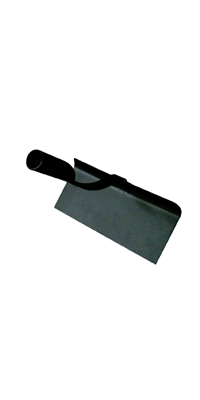
Hoes
Source high-quality hoes in bulk from vetted manufacturers and wholesale suppliers. Designed for importers, distributors, and agricultural brands seeking reliable OEM and private-label production, our network delivers durable garden tools at competitive factory-direct pricing.
Sourcing agricultural and garden hoes in volume requires balancing material costs with long-term durability. The primary challenge lies in ensuring consistent heat treatment of the blade and secure head-to-handle attachment, as these are the first points of failure in field use. Whether you are importing standard garden tools or developing heavy-duty agricultural implements, understanding factory-level specifications is critical to protecting your margins and brand reputation.
Technical Specifications & Materials
The performance of a hoe is dictated by the metallurgy of the head and the structural integrity of the handle. Specifying the right materials upfront prevents costly defect rates down the line.
Head Materials and Manufacturing
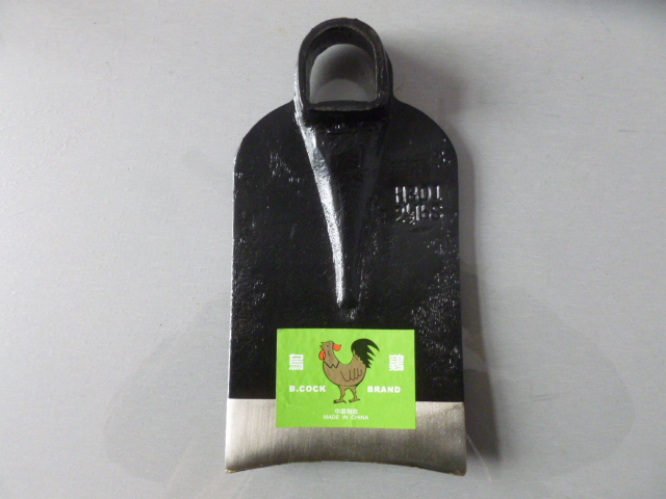
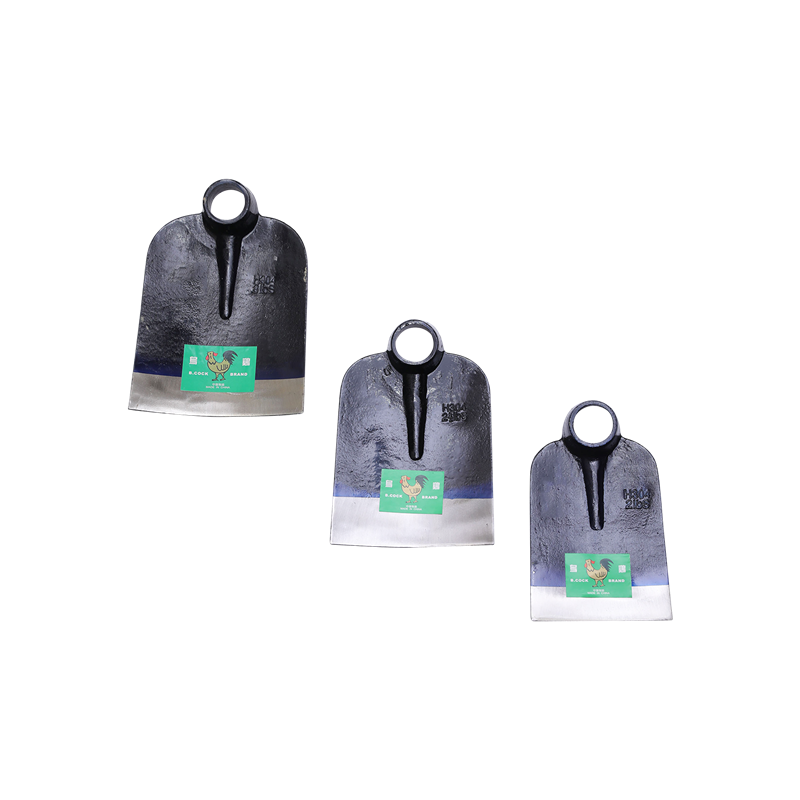
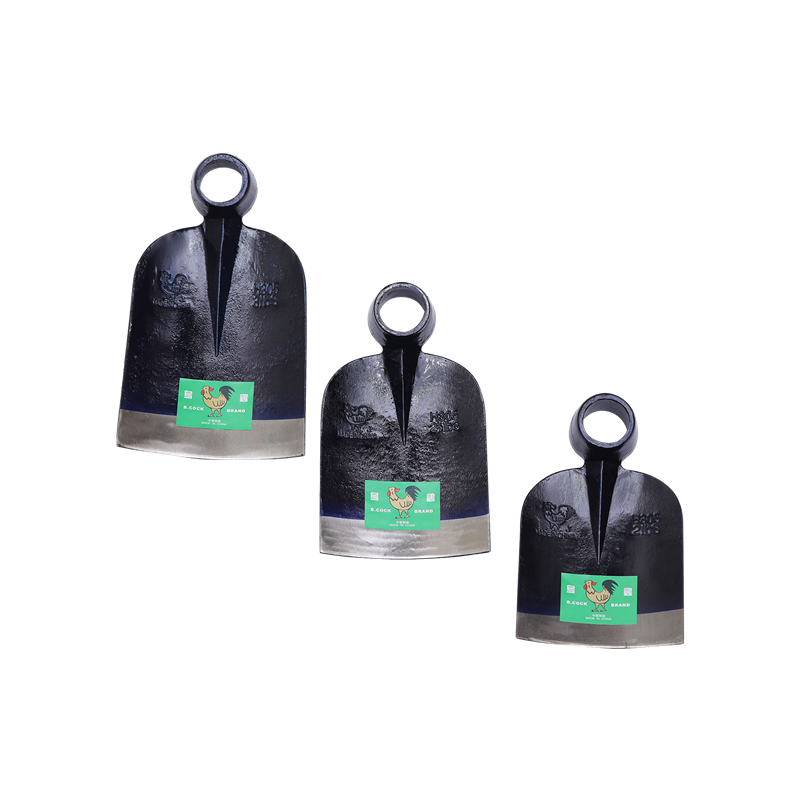
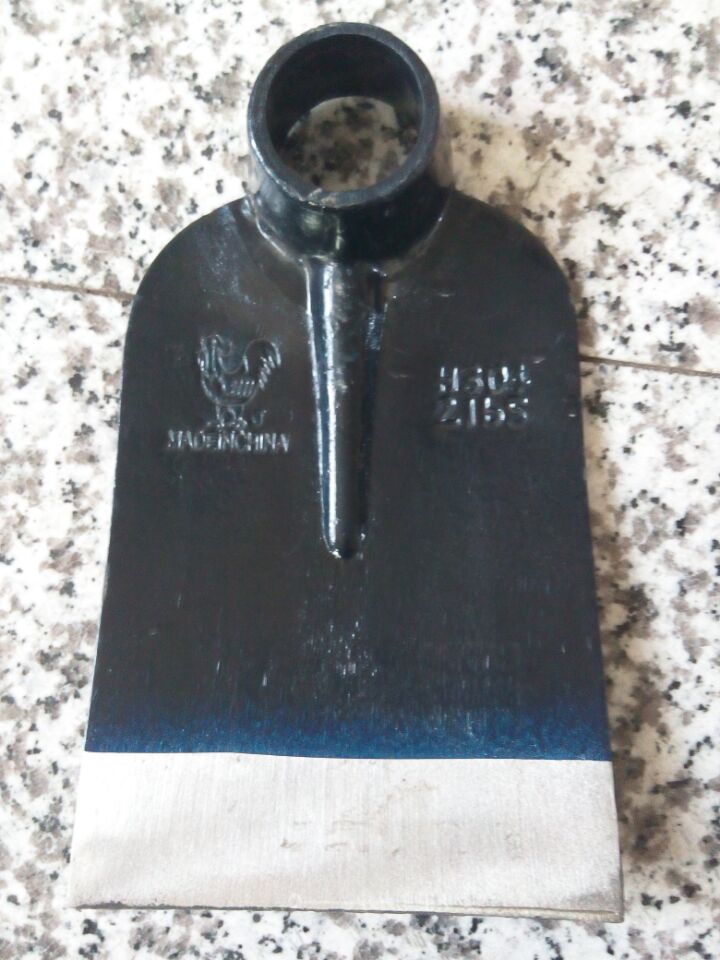
Most commercial hoes utilize high-carbon steel (typically 1045 to 1065 grades) due to its edge retention and impact resistance. Stainless steel (like 420J2) is occasionally used for premium residential lines to prevent rust, though it sacrifices some tensile strength.
The manufacturing method heavily influences both unit cost and field durability:
| Manufacturing Method | Durability | Tooling Cost | Best For |
|---|---|---|---|
| Drop Forged (One-piece) | Maximum | High | Heavy agricultural & commercial use |
| Welded Socket | High | Moderate | Standard landscaping |
| Stamped Steel | Moderate | Low | Light residential gardening |
Handle Specifications
Handle failure is the most common customer complaint. When specifying handles, you must clearly define the material grade:
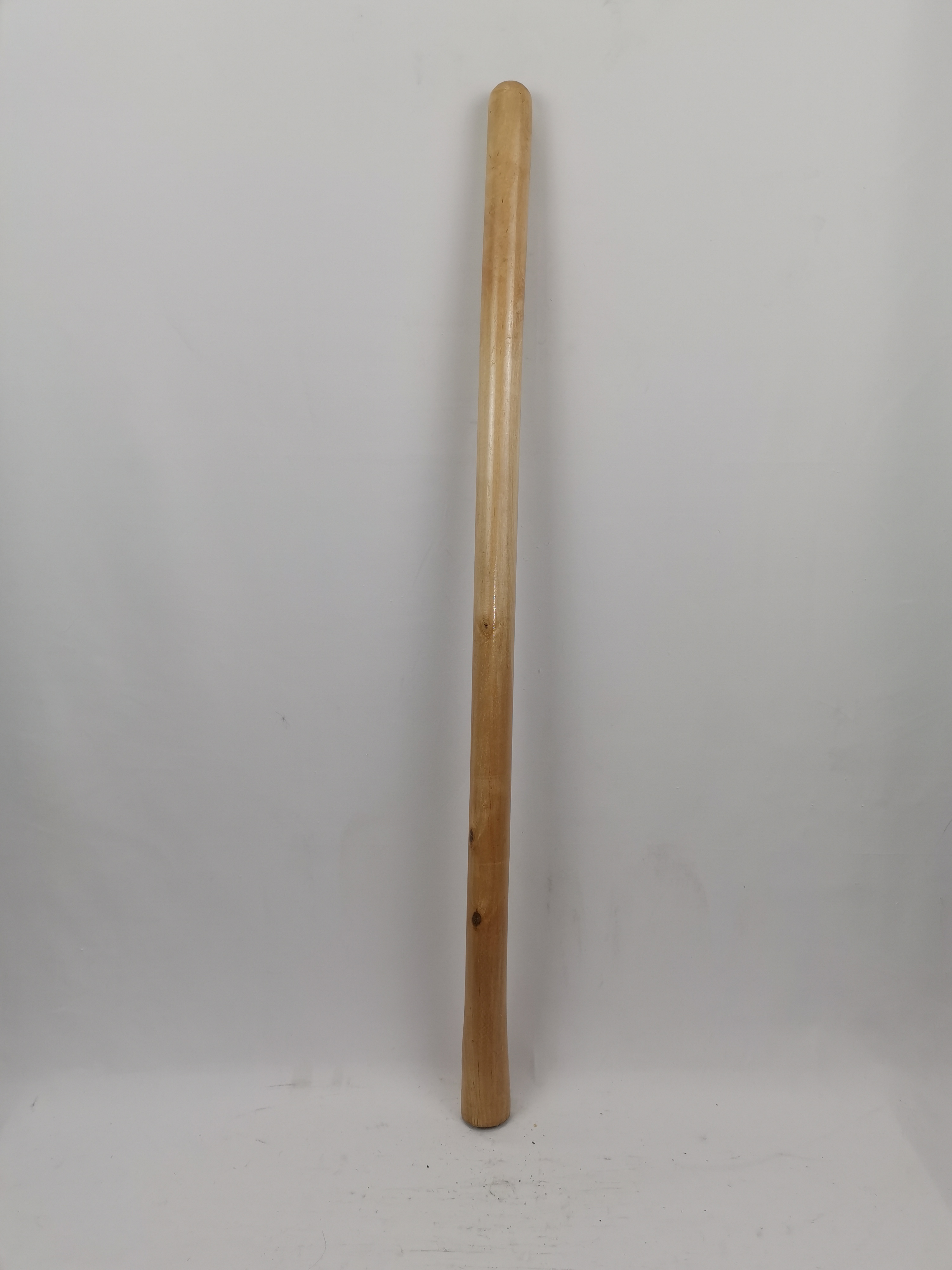
- Hardwood (Ash or Hickory): Moisture content must be strictly controlled (typically under 14 percent) to prevent shrinkage, which leads to loose heads. Grain orientation must run parallel to the direction of force.
- Fiberglass: Often preferred for extreme climates. Specify the percentage of fiberglass in the core and the durometer of the TPR (Thermoplastic Rubber) over-mold grip.
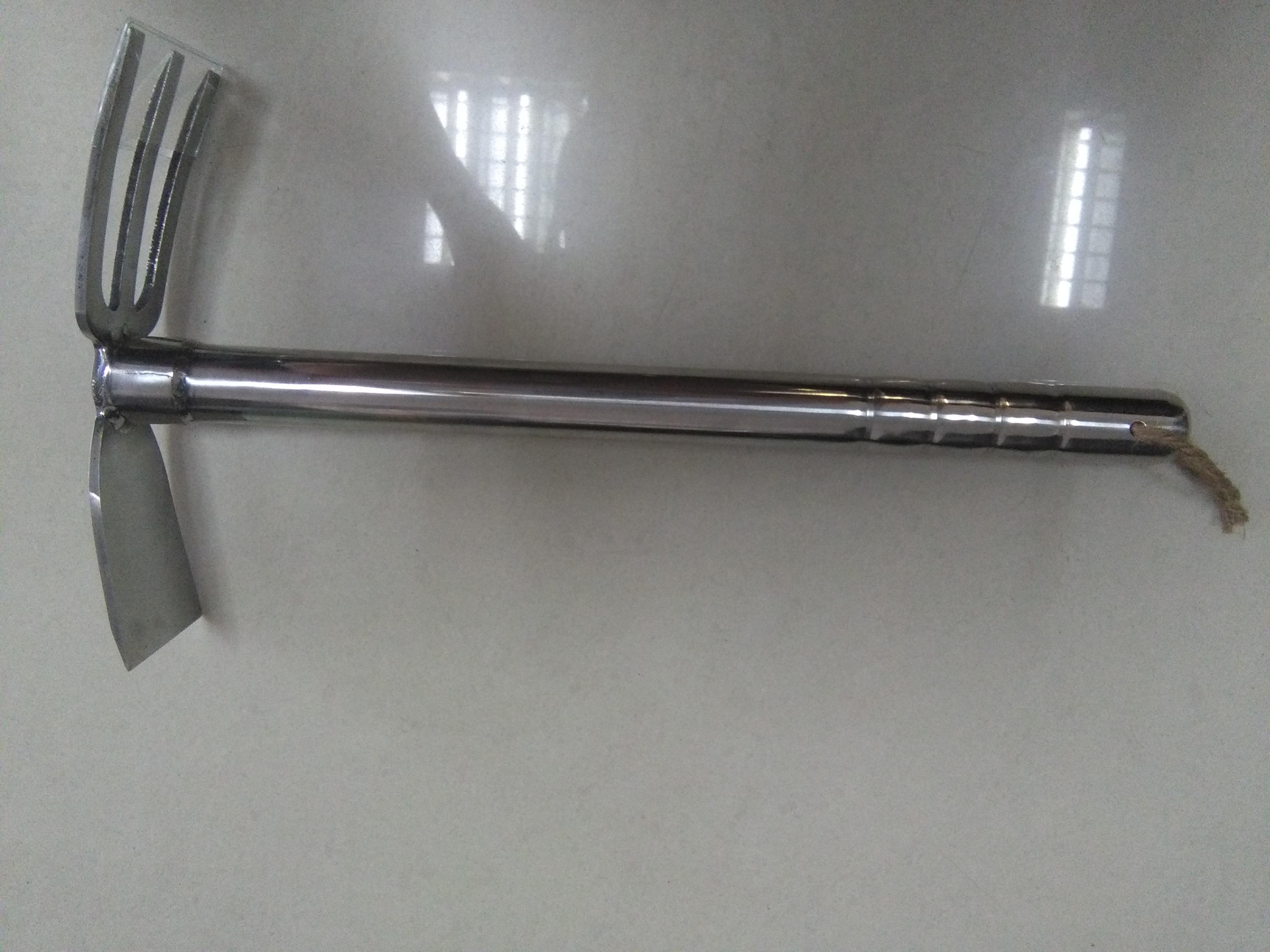
- Tubular Steel: Used for heavy-duty mortar or scraping hoes. Requires robust powder coating to prevent internal and external oxidation.
Manufacturing Tolerances and Quality Control
Quality is won or lost during the heat treatment and assembly phases. If a factory lacks precise temperature controls during tempering, the high-carbon steel blades will either be too brittle (prone to chipping) or too soft (prone to rolling and rapid dulling).
Implementing strict Quality Control & Inspection protocols is non-negotiable for bulk orders.
Critical Pre-Shipment QC Checks
- Blade hardness testing (Target HRC 40 to 48)
- Handle grain orientation alignment (for wooden handles)
- Pull-test on head-to-handle joint to verify secure attachment
- Weld integrity inspection on socket connections (no porosity)
- Moisture content verification of wooden handles (under 14 percent)
- Salt spray testing for powder-coated or painted finishes
Need on-site verification of your supplier's heat treatment and assembly processes? Our inspection teams can help.
Get a free consultationCustomization and OEM Production
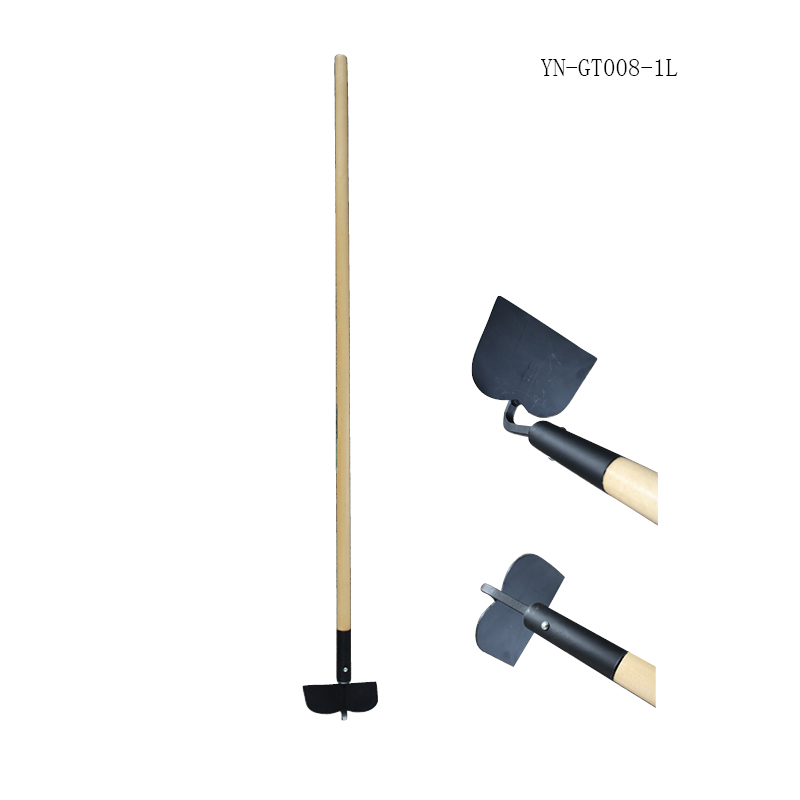
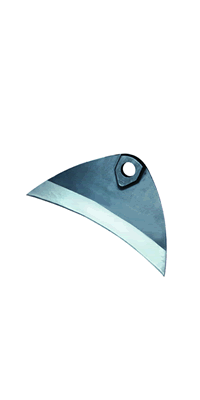
For brands looking to differentiate, custom blade profiles and private-label handles are common. Regional soil types often dictate the required blade shape (e.g., collinear hoes for weeding, heavy grubbing hoes for rocky soil). Engaging a factory for OEM/ODM Services allows you to customize the blade thickness, socket angle, and handle branding (pad printing, laser engraving, or custom TPR grips).
Keep in mind that custom stamped shapes require new stamping dies, while custom forged heads require significantly more expensive forging molds, which will impact your initial investment.
Sourcing Realities: MOQs, Pricing, and Lead Times
Pricing in the garden tool sector is heavily tied to global steel commodity prices and the labor involved in handle finishing and assembly.
MOQs can often be negotiated down if you are utilizing existing factory molds or standard handle extrusions. However, custom tooling will almost always require higher volume commitments to justify the setup time.
Looking to negotiate better MOQs or consolidate shipments from multiple hardware suppliers? We manage the entire supply chain.
Talk to our teamFrequently Asked Questions
Successfully sourcing hoes requires looking past the polished samples and validating the factory's underlying metallurgy and assembly standards. Conducting thorough Factory Audits before placing a volume order is the most effective way to ensure your supplier actually possesses the forging or heat-treatment capabilities they claim. If you need experienced boots on the ground to manage your hardware supply chain, our team is ready to assist.
Get Sourcing Help for Hoes
Tell us your requirements and our experts will connect you with verified manufacturers.