High-Pressure Sodium Lamps
Source High-Pressure Sodium Lamps from vetted suppliers and manufacturers. Designed for importers, wholesalers, distributors, and commercial brands requiring reliable OEM or private-label production, our network delivers industrial and horticultural lighting solutions optimized for scale, consistency, and performance.
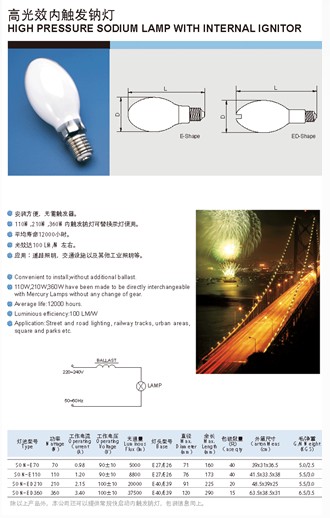
High-pressure sodium (HPS) lamps remain a critical component in municipal street lighting, industrial facilities, and commercial horticulture due to their exceptional luminous efficacy and deep canopy penetration. However, sourcing these high-intensity discharge (HID) lamps in bulk requires rigorous attention to arc tube integrity, sodium dosing precision, and vacuum maintenance. A minor variance on the factory floor can drastically reduce lumen maintenance or cause premature lamp cycling in the field.
Critical Specifications for Bulk Orders
When negotiating with manufacturers, specifying the correct parameters is essential to ensure the lamps perform as expected in their target application. HPS lamps are generally divided into standard industrial/street lighting and enhanced horticultural variants.
| Specification Focus | Standard Industrial | Horticulture (Grow) |
|---|---|---|
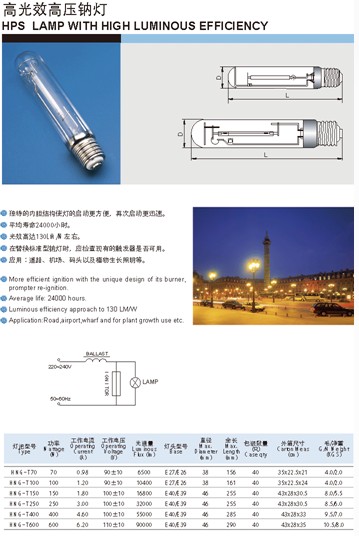
| Typical Wattage | 70W to 400W | 600W to 1000W+ |
| Color Spectrum | Standard yellow/orange (approx. 2000K) | Enhanced blue/red spectrums |
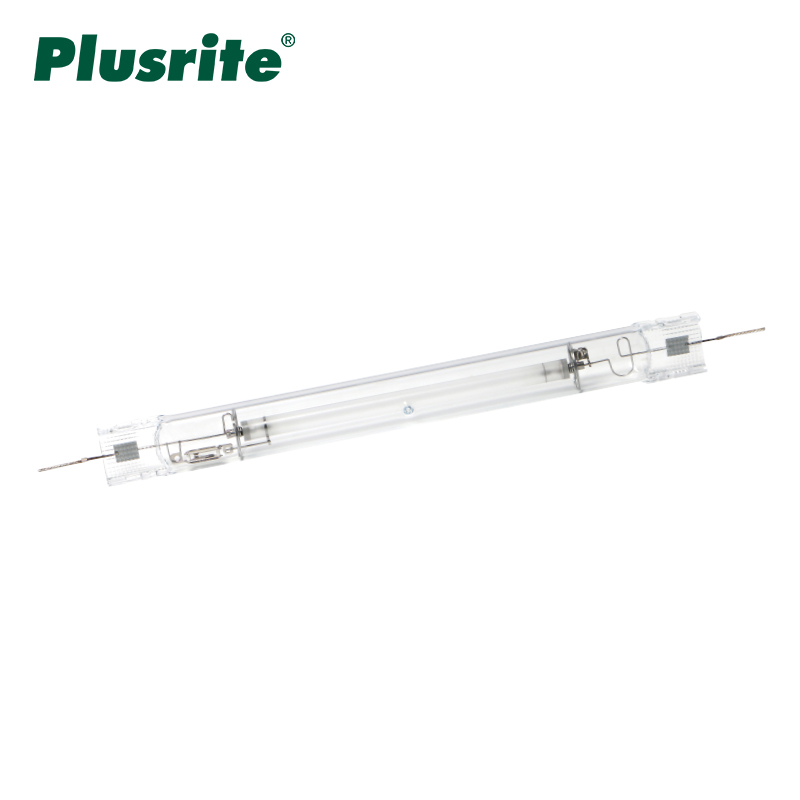
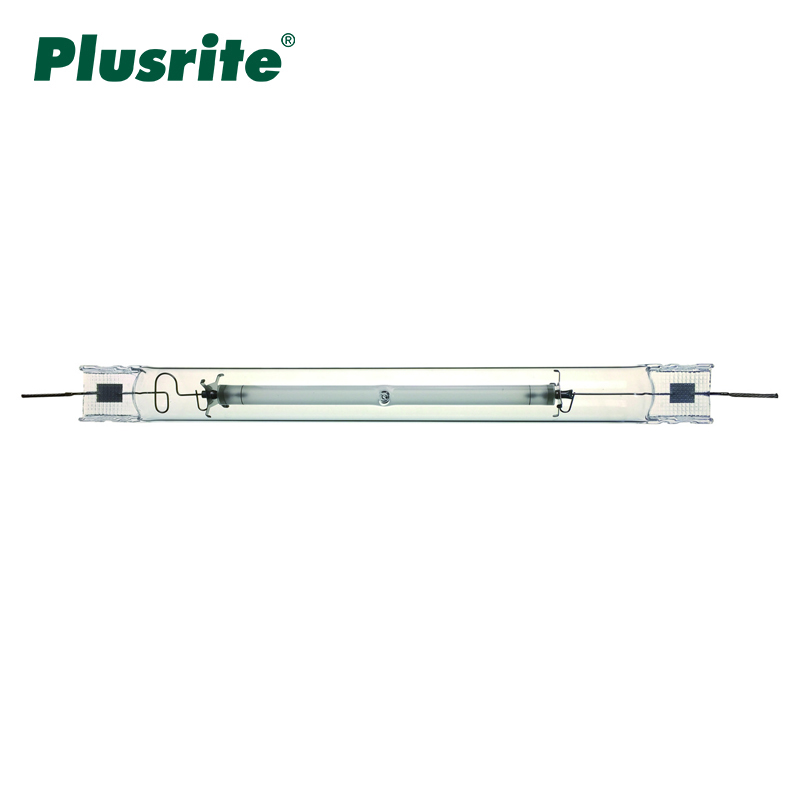
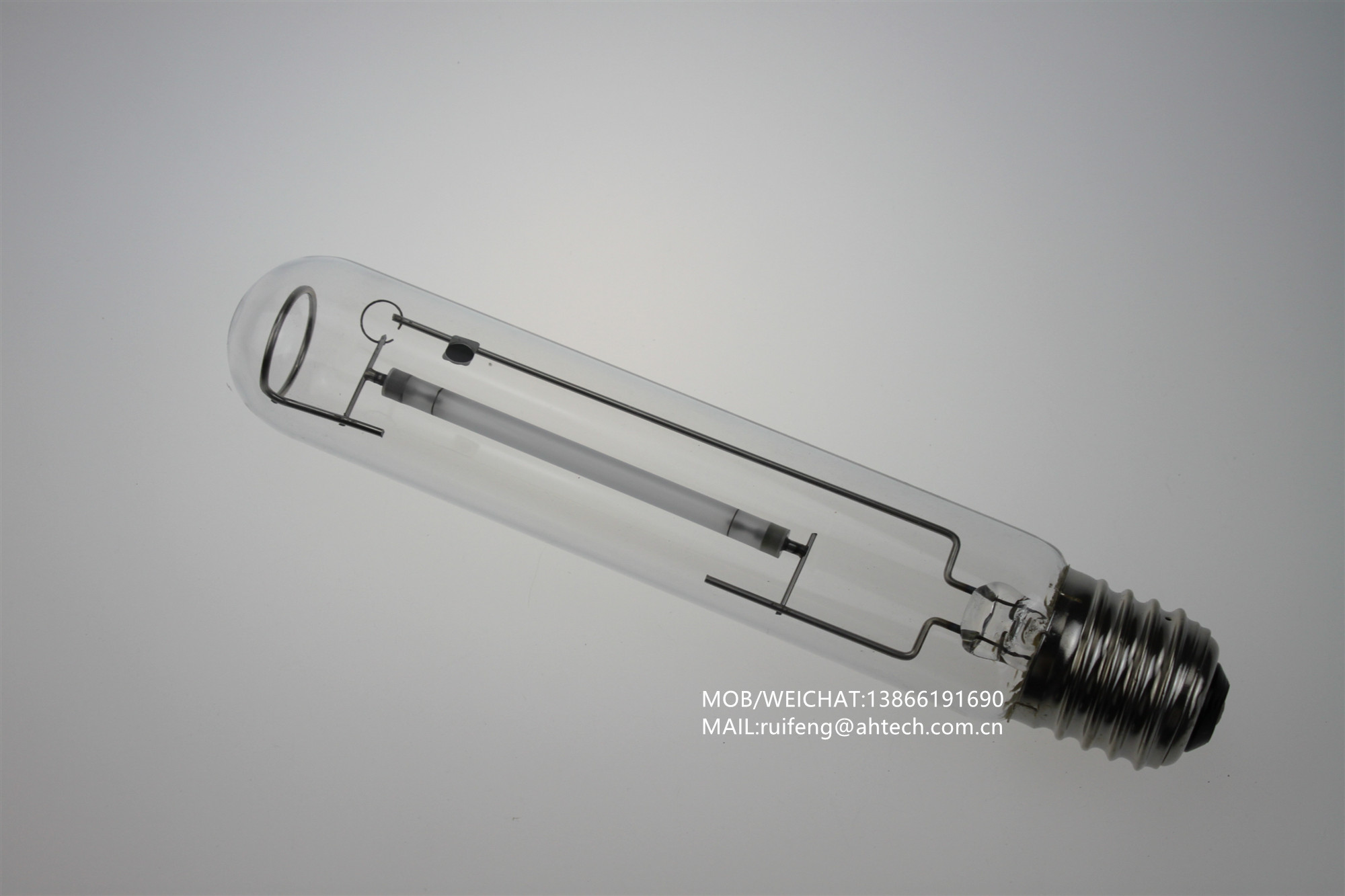
| Base Type | E27, E39, E40 (Single-ended) | E39, E40, or K12x30s (Double-ended) |
| Luminous Efficacy | 90 to 130 lm/W | Up to 150 lm/W (measured in PAR/PPF) |
Ballast Compatibility
Always specify whether the lamps are intended for use with magnetic or high-frequency electronic ballasts. Electronic ballasts operate at high frequencies (often up to 100 kHz or more), which can cause acoustic resonance in standard HPS arc tubes, leading to arc instability or physical rupture.
Manufacturing Quality Control
The lifespan of an HPS lamp—often rated up to 24,000 hours—is entirely dependent on the quality of the materials and the precision of the manufacturing environment. Assessing a manufacturer's automated dosing and sealing capabilities is critical. Conducting thorough Factory Audits ensures the supplier has the necessary clean-room environments and testing rigs to produce reliable discharge lamps.
Key Quality Control Checkpoints
- Polycrystalline Alumina (PCA) Quality: The arc tube must be made of high-grade PCA to withstand the highly corrosive nature of hot sodium vapor.
- Arc Tube Sealing: The seal between the PCA tube and the niobium lead wires is a common failure point. Micro-leaks here lead to rapid lamp failure.
- Sodium Amalgam Dosing: Precise dosing of the sodium/mercury amalgam dictates the lamp's electrical characteristics and color output. Inconsistent dosing causes color shift across a batch.
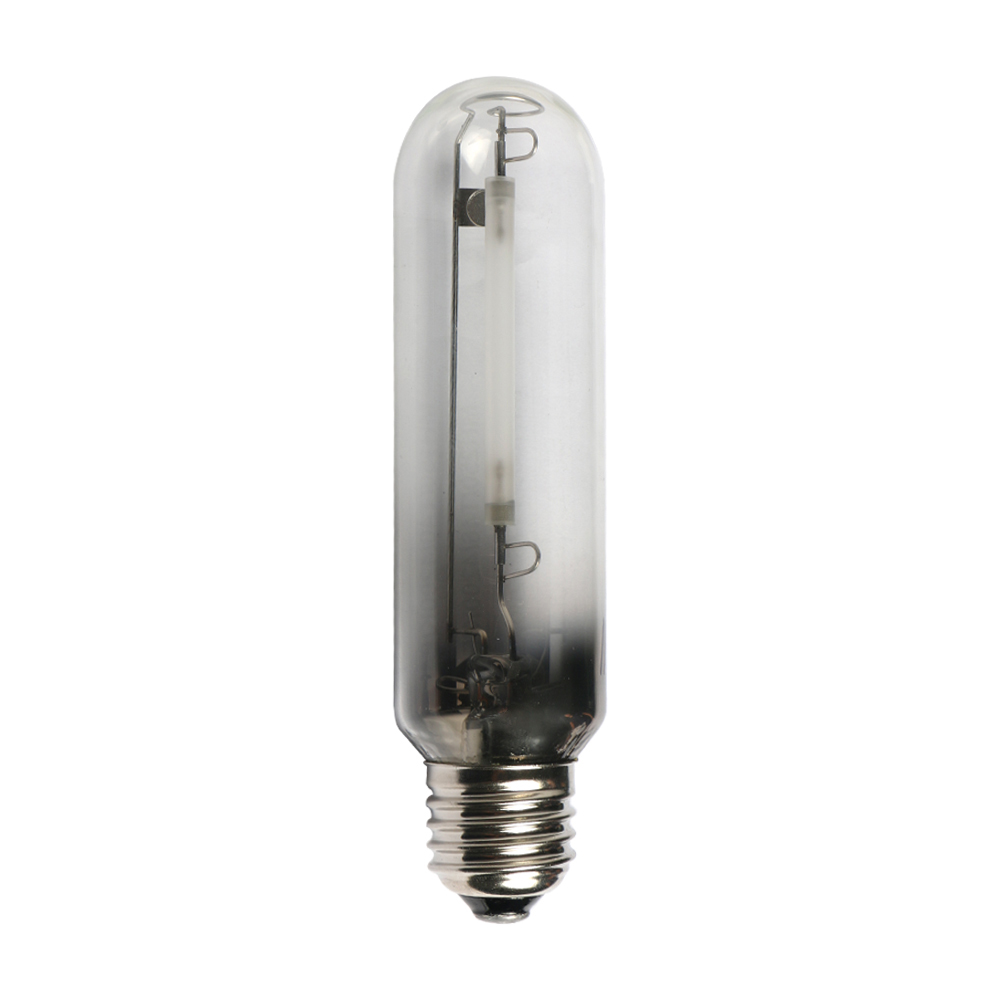
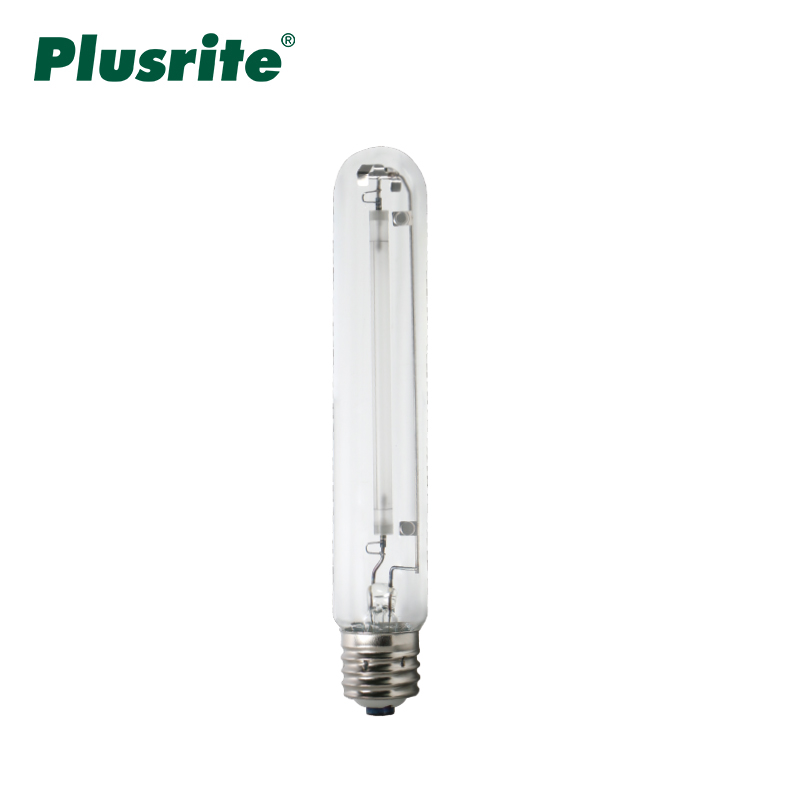
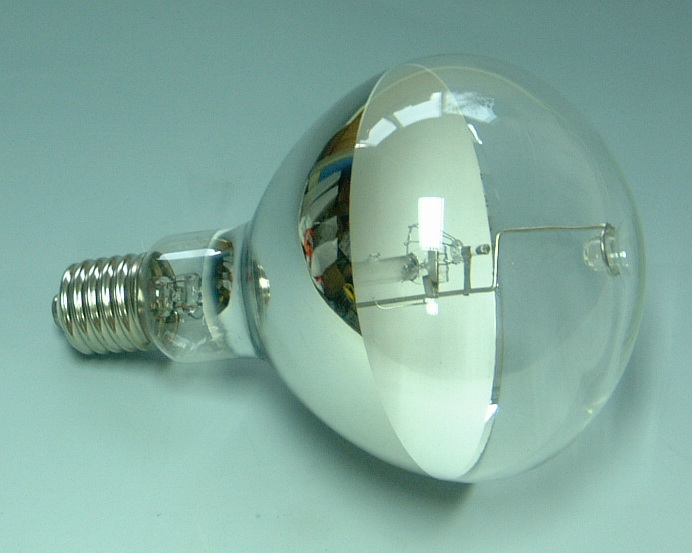
- Getter Integrity: Barium getters are used to maintain the vacuum in the outer borosilicate glass envelope. A compromised vacuum leads to thermal loss and low lumen output.
Struggling with inconsistent HID lamp lifespans? Let our sourcing engineers vet your suppliers and implement strict manufacturing tolerances.
Talk to our teamCatching defects before shipment requires specialized testing equipment. Standard visual inspections are insufficient for gas-discharge technology. Implementing rigorous Quality Control & Inspection protocols—including accelerated aging tests, ignition voltage verification, and photometric sphere testing—is non-negotiable for bulk importers.
Sourcing Realities: MOQs, Pricing, and Lead Times
The HPS manufacturing sector in Asia is mature, but production is increasingly consolidated among specialized HID factories as general lighting shifts toward LED.
Pricing is heavily influenced by the wattage, the quality of the PCA tube imported by the factory, and the specific gas mix used (especially for horticulture variants requiring enhanced spectrums). Additionally, because these lamps contain mercury and operate at high voltages, ensuring your supplier meets regional regulatory standards through proper Compliance & Testing (such as CE, RoHS, or UL certifications) is crucial to avoid customs delays.
Need to consolidate your lighting supply chain? We manage the end-to-end process from factory negotiation to final delivery.
Get a free consultationFrequently Asked Questions
Sourcing high-pressure sodium lamps successfully requires looking past the outer glass envelope and focusing on the internal chemistry and sealing technology. By partnering with factories that maintain strict control over their PCA sourcing and dosing automation, you can secure reliable, high-yield lighting products for your distribution network.
Get Sourcing Help for High-Pressure Sodium Lamps
Tell us your requirements and our experts will connect you with verified manufacturers.