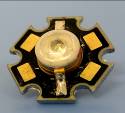
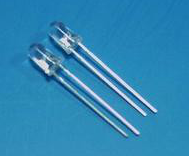
High-Power LEDs
Source High-Power LEDs from vetted suppliers and manufacturers across Asia. Designed for importers, distributors, and lighting brands seeking bulk wholesale purchasing or custom OEM production. Find reliable factory partners for commercial, industrial, and specialized high-lumen lighting applications.
High-power LEDs (typically rated from 1W up to 100W or more for integrated arrays) are the critical engines behind street lighting, high-bay industrial fixtures, stadium lighting, and automotive headlamps. Sourcing these components in high volume requires moving beyond basic lumen output and scrutinizing thermal resistance, phosphor stability, and strict binning tolerances. A poorly manufactured batch of high-power LEDs will not simply underperform; it will suffer rapid lumen depreciation or catastrophic failure due to thermal stress in the field.
Critical Specifications and Binning Controls
When evaluating a manufacturer's technical capability, their approach to sorting and binning is the primary indicator of quality. Because LED die production yields natural variations in forward voltage (Vf), luminous flux, and color temperature (CCT), factories must sort components into tight "bins" to ensure consistency across your production run.
If you are manufacturing architectural or high-end commercial fixtures, you must specify tight color binning—often demanding a 3-step MacAdam ellipse (SDCM under 3). Standard commercial applications may tolerate a 5-step SDCM, but anything looser risks visible color shifts from fixture to fixture.
| Specification | Standard Commercial | High-End Industrial |
|---|---|---|
| Color Consistency | 5-step SDCM | 3-step SDCM or lower |
| Wire Bonding | Copper or Silver Alloy | 99.99% Pure Gold |
| Substrate Material | Aluminum or PCT | Aluminum Nitride (AlN) Ceramic |
| Thermal Resistance (Rth) | 8 to 12 °C/W | Under 5 °C/W |
Struggling with inconsistent LED binning across your shipments? Let us help you lock in strict supplier tolerances.
Talk to our teamManufacturing Tolerances and Where Quality is Lost
The reliability of a high-power LED is determined on the factory floor during the packaging process. Because these diodes generate significant heat in a tiny footprint, the thermal path from the semiconductor die to the substrate must be flawless.
Die Attach and Voiding
The die attach process bonds the LED chip to the substrate. Low-tier manufacturers often suffer from "voiding"—microscopic air pockets trapped in the thermal adhesive or solder. Because air is a poor conductor of heat, these voids create localized hotspots that rapidly degrade the chip. Professional buyers should insist on X-ray inspection reports to verify that die attach voiding is kept well below 10%.
Wire Bonding Integrity
High-power LEDs require robust electrical connections to handle high drive currents. While pure gold wire is the industry standard for reliability and resistance to thermal cycling, some suppliers quietly substitute copper or silver alloy wires to cut costs. These cheaper wires are prone to micro-fractures during thermal expansion and contraction, leading to dead diodes.
To prevent these material substitutions, implementing strict Quality Control & Inspection protocols before shipment is essential.
Key Factory Verification Points
- Verify the actual brand of the LED chip (e.g., Epistar, Bridgelux, Cree) via supply chain documentation.
- Check the manufacturer's LM-80 test reports for long-term lumen maintenance data.
- Ensure the factory uses automated sorting machines for precise voltage and color binning.
- Confirm X-ray inspection equipment is used in-house to check for die attach voids.
For buyers scaling up production, conducting thorough Factory Audits is the most effective way to verify that a supplier actually owns the automated packaging and testing equipment they claim to have.
Pricing, MOQs, and Lead Times
The cost of high-power LEDs is highly sensitive to raw material markets (particularly gold and ceramic) and the strictness of your binning requirements. Requesting a very narrow, specific color bin means the factory must yield or sort through thousands of units to fulfill your order, which drives up the price and the Minimum Order Quantity (MOQ).
Need to negotiate better pricing and lower MOQs for your specific LED bins? Our sourcing experts can manage the factory dialogue.
Get a free consultationFrequently Asked Questions
Sourcing high-power LEDs in bulk is an exercise in risk management. The upfront unit cost is secondary to the long-term reliability of the component, as field failures will quickly erase any initial savings. By enforcing strict binning requirements, verifying bill-of-materials integrity, and ensuring proper Compliance & Testing, you can secure a stable, high-performance supply chain. If you need experienced engineers to manage supplier vetting, technical negotiations, and quality control on the ground, our team is ready to step in.
Get Sourcing Help for High-Power LEDs
Tell us your requirements and our experts will connect you with verified manufacturers.