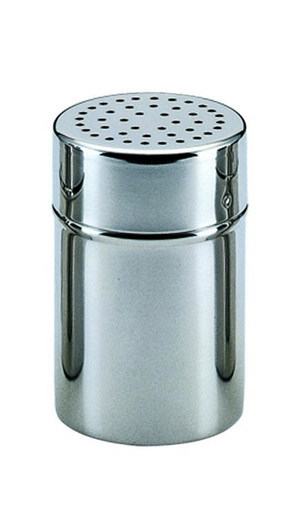
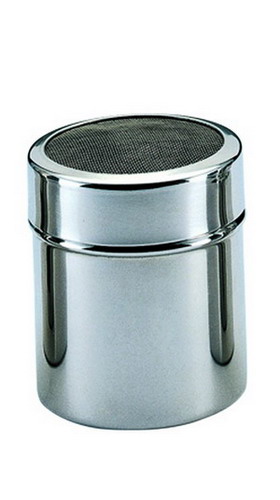
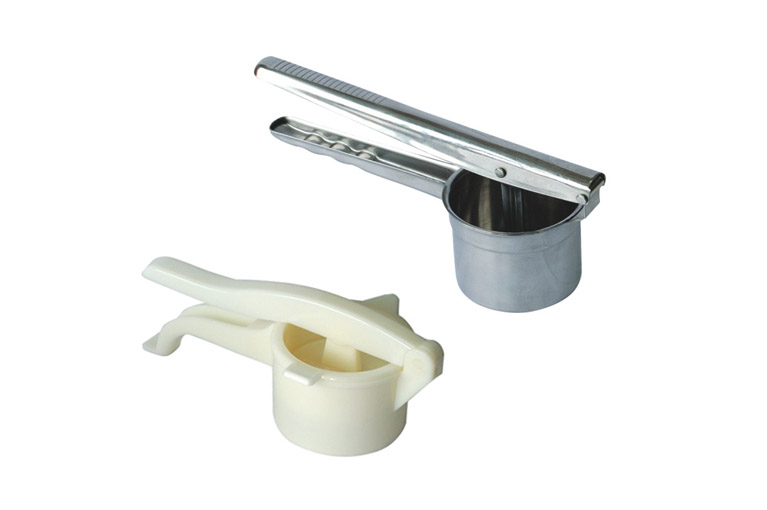
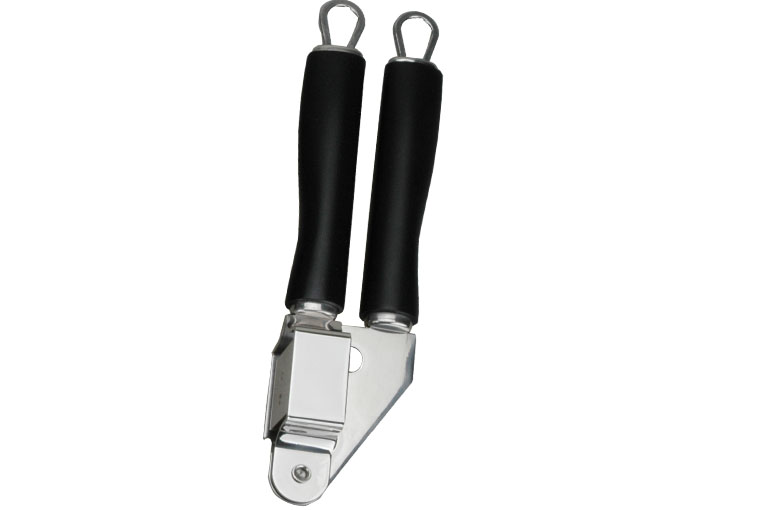
Herb & Spice Tools
Source high-quality Herb & Spice Tools from vetted suppliers and manufacturers across Asia. Designed for importers, distributors, and kitchenware brands looking for reliable wholesale, private-label, or OEM/ODM production. Secure competitive pricing and consistent quality for your bulk orders.
Sourcing herb and spice tools at scale—whether manual mills, electric grinders, precision shears, or mortar and pestle sets—requires balancing aesthetic appeal with long-term mechanical durability. A visually stunning acacia wood grinder fails instantly if the internal shaft misaligns or the ceramic burr shatters under torque. Success in this category depends on specifying exact internal components, validating material safety, and enforcing strict tolerance controls during factory assembly.
Core Component Specifications: Grinding Mechanisms
The heart of any spice mill or grinder is the burr or blade. Buyers must explicitly specify the grinding mechanism material and shaft construction, as factories will often default to lower-grade alternatives to reduce unit costs.
| Mechanism Type | Best Application | Key Sourcing Considerations |
|---|---|---|
| Alumina Ceramic | Salt, peppercorns, dried herbs | Will not rust from salt moisture. Must specify high-density alumina to prevent shattering under load. |
| Carbon Steel | Peppercorns, tough spices | Offers the sharpest cut for consistent grinds. Highly susceptible to rust; never use for salt. |
| Stainless Steel (304/420) | Electric grinders, multi-spice | Corrosion-resistant and durable. 420 grade is preferred for blades due to higher hardness (HRC). |
| Zinc Alloy | Budget spice mills | Prone to wear and metal flaking over time. Generally avoided for premium or high-torque applications. |
Beyond the burr, the central shaft must be rigid. An unanchored or thin aluminum shaft will flex during use, causing an uneven grind and premature wear on the housing. Always specify a spring-loaded, food-grade stainless steel shaft with top and bottom stabilization points.
Material Compliance and Structural Integrity
Food contact compliance is non-negotiable. Metals must pass heavy metal migration testing, and plastics (like ABS, SAN, or acrylic) must be BPA-free and meet target market standards. Engaging professional Compliance & Testing ensures your products pass FDA (US) or LFGB (EU) requirements before shipment.
For wooden tools—a major segment in premium spice mills—moisture content is the primary failure point. Wood must be kiln-dried to a moisture content of 8 to 12 percent before machining. Anything higher risks warping, cracking, or mold development during ocean transit.
Struggling with inconsistent quality or material compliance? Let our sourcing experts audit your supply chain and standardize your component specs.
Talk to our teamQuality Control and Defect Prevention
Catching defects before shipment requires functional testing, not just visual inspection. Effective Quality Control & Inspection protocols must test the tools under realistic load conditions.
Critical Inspection Points for Herb & Spice Tools
- Torque Testing: Apply maximum rotational force to ensure the burr and shaft do not slip or strip.
- Moisture Content Verification: Use pin meters on wooden components to verify moisture is under 12 percent.
- Salt Spray Testing: Subject metal components to standard salt spray tests to verify corrosion resistance.
- Drop Testing: Test acrylic and ABS housings for impact resistance from standard countertop heights.
- Grind Consistency Check: Cycle the grinder on finest and coarsest settings to ensure mechanism adjustability holds.
Production Realities: MOQs, Tooling, and Lead Times
Pricing in this category is highly sensitive to raw material costs (especially premium hardwoods and food-grade stainless steel) and the complexity of the internal mechanism. Developing proprietary designs requires OEM/ODM Services to handle custom tooling for injection-molded plastics or die-cast metal housings.
Ready to scale your kitchenware line? We negotiate MOQs, manage tooling, and oversee production to keep your supply chain running smoothly.
Get a free consultationFrequently Asked Questions
Securing reliable herb and spice tools means looking past the outer housing and validating the internal mechanics. By standardizing your component specifications and enforcing strict moisture and torque tolerances at the factory level, you protect your brand from costly returns and ensure a product that performs for years.
Get Sourcing Help for Herb & Spice Tools
Tell us your requirements and our experts will connect you with verified manufacturers.