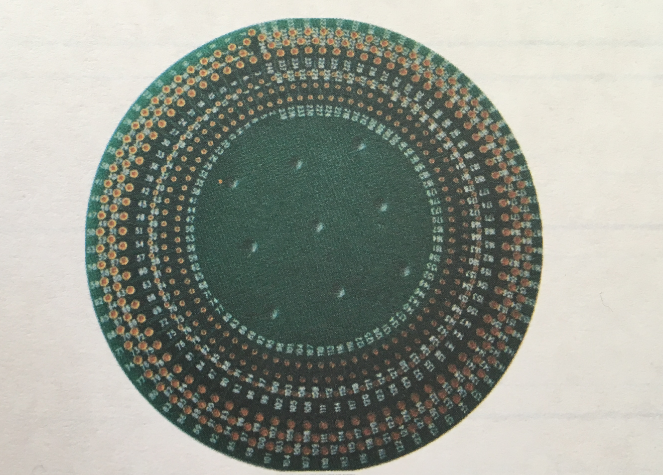
Heavy Copper PCB
Source high-performance Heavy Copper PCB from vetted suppliers and manufacturers across Asia. Designed for electronics importers, wholesale distributors, and brands managing custom OEM production, our network delivers precision-engineered boards built to handle extreme current and thermal demands in bulk.
Procuring heavy copper printed circuit boards (PCBs) at scale requires navigating a distinct set of manufacturing challenges. Unlike standard boards, heavy copper PCBs—typically defined as having copper weights of 4 oz/ft² up to 20 oz/ft² or more—are essential for power electronics, automotive charging systems, and industrial controls. The primary sourcing challenge is finding a manufacturing partner capable of balancing heavy copper deposition with precise etching tolerances, while avoiding lamination defects like resin starvation.
Critical Specifications for High-Current Boards
When submitting Gerber files and specifications to a factory, standard PCB design rules do not apply. The physical volume of copper dictates wider trace widths, larger spacing, and specialized substrate materials.
| Specification | Standard PCB | Heavy Copper PCB |
|---|---|---|
| Typical Copper Weight | 1 oz to 2 oz | 4 oz to 20+ oz |
| Min. Trace/Space (at 4oz) | 3 mil / 3 mil | 8 mil / 8 mil or higher |
| Substrate Tg Requirement | Normal (130-140°C) | High Tg (170°C+) |
| Plating Method | Standard electrolytic | Step plating / multiple cycles |
To prevent thermal failure under high loads, you must specify a High-Tg (glass transition temperature) FR4 or specialized metal-core material. Standard FR4 will degrade under the thermal stress generated by high-current traces.
Manufacturing Challenges and Factory Vetting
Not all PCB fabrication facilities are equipped to handle heavy copper. The etching process is fundamentally different; etching thick copper takes significantly longer and introduces the risk of "undercutting," where the chemical etchant eats away the copper beneath the photoresist, compromising trace integrity.
Factories must use specialized etching equipment and often employ multiple plating and etching cycles to achieve straight trace sidewalls. Furthermore, the height disparity between a 10 oz copper trace and the bare substrate creates deep "valleys." During lamination, the prepreg resin must flow completely into these valleys. If the factory's lamination press lacks the necessary pressure control, you will experience resin starvation and internal voids, leading to delamination in the field.
Conducting thorough Factory Audits is crucial to verify that a supplier has the specific high-pressure lamination equipment and step-plating lines required for heavy copper production, rather than just standard consumer electronics capabilities.
Struggling to find a PCB manufacturer with verified heavy copper etching and lamination capabilities? Let us match you with a vetted factory.
Talk to our teamQuality Control and Defect Prevention
Because internal defects in heavy copper boards can lead to catastrophic failure (including fire) in high-power applications, visual inspection is insufficient. Your quality assurance protocol must include destructive and non-destructive testing.
Essential QC Checks for Heavy Copper PCBs
- Microsectioning (Cross-section analysis) to verify internal copper thickness and trace sidewall geometry.
- Thermal shock testing to ensure vias and copper planes do not separate under extreme temperature cycling.
- Dielectric breakdown testing to confirm resin has fully filled the gaps between high-profile traces.
- Solder mask thickness verification (multiple passes are often required to cover tall copper traces adequately).
Implementing rigorous Quality Control & Inspection before shipment ensures that these specialized boards meet your electrical safety and performance standards before they are integrated into high-value final products.
Pricing, MOQ, and Lead Time Realities
Heavy copper PCBs command a premium over standard boards. The cost drivers are the raw material (copper is priced by weight), the specialized High-Tg substrates, and the significantly longer processing times in the etching and plating baths.
When managing OEM/ODM Services for power electronics, it is vital to factor these longer lead times into your production schedule. Tooling costs (NRE) will also be higher, as specialized solder mask stencils and lamination fixtures are often required.
Need accurate pricing and lead times for your specific Gerber files? We can negotiate terms and manage production with specialized PCB fabricators.
Get a free consultationFrequently Asked Questions
Successfully sourcing heavy copper PCBs requires moving beyond standard consumer electronics suppliers and partnering with facilities engineered for power electronics. By focusing on a factory's etching tolerances, lamination equipment, and microsectioning QC capabilities, you can secure reliable boards that perform safely under extreme electrical loads.
Get Sourcing Help for Heavy Copper PCB
Tell us your requirements and our experts will connect you with verified manufacturers.