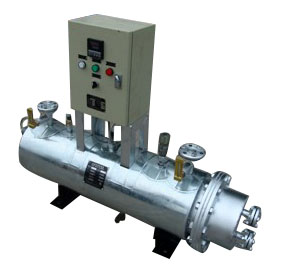
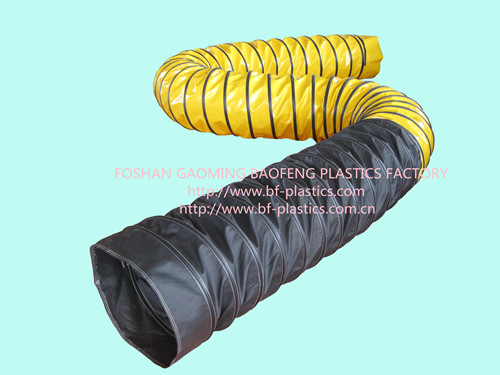
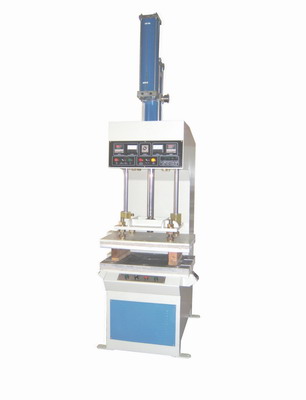
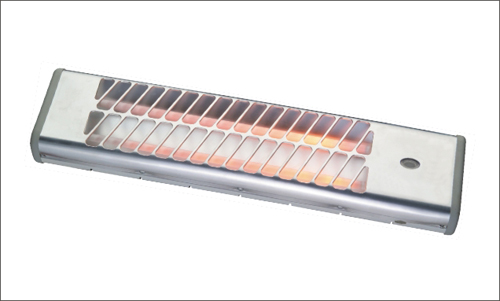
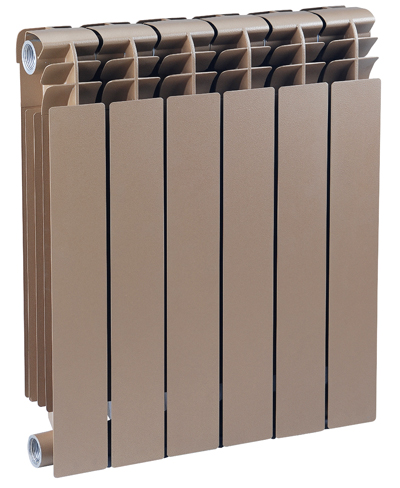
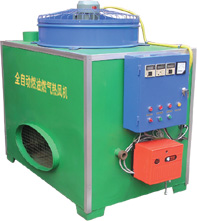
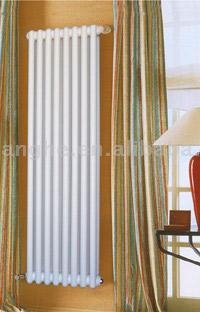
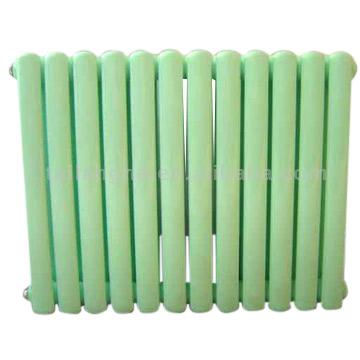
Heating Equipment
Source industrial and commercial heating equipment directly from vetted manufacturers and suppliers in Asia. Built for importers, distributors, and brands requiring reliable OEM production, our network delivers scalable manufacturing with rigorous quality oversight. Explore bulk pricing and custom specifications for your procurement needs.
Sourcing industrial heating equipment requires balancing thermal efficiency with stringent safety regulations. Whether you are procuring standardized commercial heating elements or commissioning custom industrial heating systems, the primary challenge lies in verifying a manufacturer's capacity to maintain consistent metallurgical and electrical standards across high-volume production runs. A slight deviation in material grade or insulation density can lead to catastrophic failure in the field.
Defining Critical Specifications
When approaching manufacturers, vague specifications lead to inconsistent quotes and substandard components. Factories need precise engineering data to properly size elements, select sheath materials, and determine the necessary manufacturing processes.
Essential Specifications for Supplier RFQs
- Watt density (W/cm²) and total heat transfer area requirements
- Sheath and flange material grades (e.g., SUS316L, Incoloy 800, Titanium) tailored to the operating environment
- Maximum operating temperature and pressure ratings
- Dielectric strength and cold/hot insulation resistance values
- Voltage, phase configurations, and precise dimensional tolerances
Manufacturing Chokepoints and Quality Control
The durability of heating equipment is won or lost on the factory floor. While many suppliers can assemble a functional prototype, maintaining consistency requires robust process controls, particularly during filling, compaction, and welding. Conducting thorough factory audits is essential to verify that a supplier has the automated equipment and certified personnel necessary for reliable production.
MgO Filling and Compaction
Magnesium oxide (MgO) powder must be filled and compacted evenly around the resistance wire. Poor compaction leads to hot spots, poor heat transfer, and premature element burnout.
Welding and Sealing
Flanges and fittings must be TIG or laser welded with high precision. Inadequate weld penetration can cause leaks in liquid heating applications. Sealing the terminal ends with high-temperature epoxy or RTV silicone is critical to prevent moisture ingress.
Annealing
After compaction and bending, elements must be annealed to relieve mechanical stress. Skipping this step leaves the sheath brittle and prone to cracking under thermal cycling.
Catching defects before shipment is critical. Effective quality control protocols for heating equipment must include high-voltage dielectric withstand testing (hipot), insulation resistance testing, and hydrostatic pressure testing for any liquid-immersion applications.
Need to verify a supplier's production capabilities and quality management systems?
Talk to our teamCompliance and Market Readiness
Heating equipment is heavily regulated globally due to inherent electrical and thermal risks. Depending on your target market, your products must comply with specific safety directives. This often requires rigorous compliance and testing through accredited third-party laboratories. Look for suppliers with existing experience manufacturing to UL/cUL standards for North America, or CE (LVD and EMC directives) for Europe. If you are sourcing pressure-rated heating vessels, ASME code compliance may also be mandatory.
Pricing Drivers, MOQs, and Lead Times
The cost of heating equipment fluctuates based on raw material commodities—primarily the nickel and chromium used in resistance wires, and the specific alloys required for the outer sheaths.
For brands developing custom solutions, OEM/ODM services will involve initial tooling and mold fees for custom flanges, specialized bending dies, or proprietary terminal enclosures. While standard components can be sourced relatively quickly, custom engineering requires a longer lead time for prototyping and thermal validation.
Looking to optimize your landed costs or develop a custom heating solution?
Get a free consultationFrequently Asked Questions
Procuring industrial heating equipment at scale demands rigorous attention to metallurgical and electrical detail. By clearly defining your specifications, auditing factory floor processes, and enforcing strict pre-shipment testing, you can secure reliable, compliant heating solutions that perform consistently in demanding environments.
Get Sourcing Help for Heating Equipment
Tell us your requirements and our experts will connect you with verified manufacturers.