Heat Transfer Machines
Source commercial-grade heat transfer machines from vetted suppliers and manufacturers across Asia. Designed for importers, wholesalers, and brands seeking reliable bulk procurement and private-label production, our network delivers high-performance equipment built for continuous industrial use.
Sourcing commercial heat transfer machines at scale requires balancing unit cost with operational reliability. For industrial users and distributors, the core challenge isn't just finding a machine that heats up—it's securing equipment capable of maintaining strict temperature tolerances and uniform pressure over thousands of continuous production cycles. When importing in bulk, specifying the right internal components and verifying factory assembly standards are critical to avoiding high defect rates and costly warranty claims.
Critical Specifications for Commercial Heat Transfer Machines
The performance of a heat press relies on the synergy between the heating element, platen construction, and pressure delivery system. When negotiating with manufacturers, buyers must dictate these specifications rather than accepting off-the-shelf defaults.
- Heating Elements & Platen Material: High-end commercial machines utilize cast-in tubular heating elements embedded directly into thick aluminum platens (typically 1.5 to 2 inches thick). This prevents the cold spots common in cheaper mica-wire configurations and ensures rapid heat recovery.
- Temperature Controllers: Specify PID (Proportional-Integral-Derivative) controllers over basic digital thermostats. PID controllers calculate and anticipate heat loss, keeping temperature fluctuations under 2 degrees Celsius during continuous operation.
- Pressure Mechanics: For industrial applications, pneumatic or hydraulic pressure systems are standard. They require an external air compressor but guarantee exact, repeatable PSI across the entire platen, which is mandatory for DTF (Direct to Film) and sublimation transfers.
| Component | Commercial Grade (Recommended) | Light/Budget Grade |
|---|---|---|
| Heating Element | Cast-in tubular, tightly coiled | Mica wire or spaced coils |
| Platen Thickness | 1.5 to 2.0 inches (Aluminum) | Under 1.0 inch |
| Controller | PID micro-processor | Basic relay thermostat |
| Frame Construction | Laser-cut, continuous weld steel | Bolted sheet metal |
Finding factories that actually use commercial-grade internal components can be difficult. We can help you identify and negotiate with proven manufacturers.
Talk to our teamManufacturing Realities and Quality Control
The primary manufacturing hub for heat transfer machines is concentrated in Guangdong and Zhejiang provinces in China. While many assemblers exist, true manufacturers possess in-house CNC machining for platens and robust testing protocols.
A common point of failure in imported heat presses is the platen's flatness. If the aluminum is not milled correctly or warps under initial heat stress, the machine will apply uneven pressure, ruining the end user's garments. Verifying the manufacturer's machining capabilities is a non-negotiable step, which is why conducting thorough Factory Audits before placing a volume order is essential.
Pre-Shipment Inspection Focus Areas
- Platen Flatness: Measure with a machinist's straight edge (tolerance must be under 0.5mm).
- Heat Uniformity: Grid-test the platen with a calibrated surface pyrometer.
- Pressure Distribution: Perform the 'dollar bill test' or use pressure-sensitive paper across all four corners.
- Electrical Safety: Verify grounding, wiring gauge, and CE/UL/ETL compliance markers.
- Pneumatic Seals: Cycle pneumatic presses 100 times to check for air leaks in the cylinders.
Implementing rigorous Quality Control & Inspection directly on the factory floor prevents these structural and electrical defects from ever loading into your shipping container.
Executing OEM and Private Label Orders
Brands and distributors often require customized equipment to differentiate their catalog. Most reputable factories offer extensive OEM/ODM Services, allowing you to customize the machine's footprint, platen size, colorway, and user interface.
When developing a custom line, clearly define your tooling ownership. If the factory is opening new molds for a proprietary clamshell or swing-away chassis, ensure your manufacturing agreement explicitly grants you ownership of those molds. This prevents the supplier from selling your custom design to competitors on the open market.
Typical MOQs, Pricing, and Lead Times
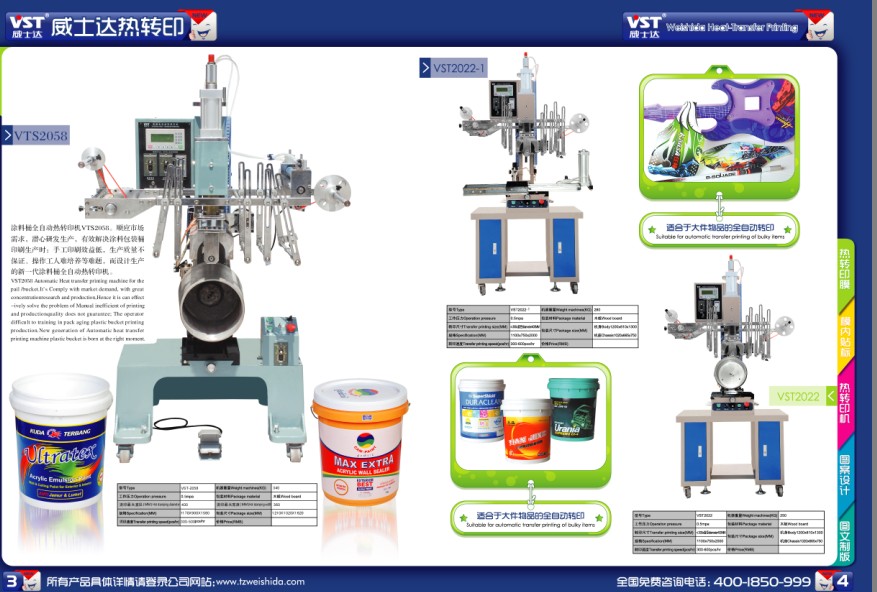
Procurement terms vary heavily based on the level of customization and the machine's format (e.g., manual clamshell vs. large-format pneumatic roll-to-roll).
Volume pricing is highly sensitive to raw material costs, specifically aluminum and steel. Buyers should lock in material prices at the time of deposit and include standard clauses for acceptable variance.
Managing production schedules, raw material fluctuations, and quality checks requires constant oversight. Let our team manage your supply chain end-to-end.
Get a free consultationFrequently Asked Questions
Successfully sourcing heat transfer machines requires moving past cosmetic designs and focusing on the underlying thermal and mechanical engineering. By specifying exact components and enforcing strict pre-shipment testing, importers can build a highly profitable, reliable equipment catalog. If you are looking to scale your imports and need on-the-ground expertise to manage the process, Merhein is ready to assist.
Get Sourcing Help for Heat Transfer Machines
Tell us your requirements and our experts will connect you with verified manufacturers.