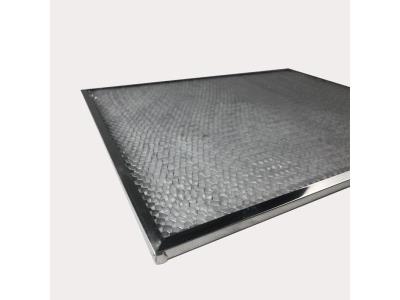
Heat-Recovery Device
Source commercial and residential heat-recovery devices directly from vetted manufacturers and wholesale suppliers. Designed for HVAC importers, distributors, and brands seeking OEM production, this catalog features high-efficiency HRV and ERV units built to international standards.
Sourcing heat-recovery devices requires balancing thermal effectiveness with acceptable pressure drops and strict cross-leakage limits. Whether you are importing residential enthalpy-core ERVs or commercial rotary heat exchangers, the reliability of the core material and the precision of the casing construction define the unit's market viability.
Core Technologies and Critical Specifications
The heat exchange core is the defining component of any recovery device. Buyers must specify the exact material and configuration based on the target climate and application.
| Core Type | Material | Primary Use | Key Advantage |
|---|---|---|---|
| Sensible Plate (HRV) | Aluminum or Polymer | Cold climates | Zero moisture transfer, washable |
| Enthalpy Plate (ERV) | Treated Paper or Polymer | Humid climates | Recovers latent heat (moisture) |
| Rotary Wheel | Desiccant-coated Aluminum | Commercial HVAC | High total efficiency at large volumes |
Beyond the core, motor selection is critical. Transitioning from traditional AC motors to Electronically Commutated (EC) motors increases upfront costs but drastically reduces energy consumption and noise levels, which is a non-negotiable requirement for premium residential markets.
Ensure your heat-recovery specifications match capable production lines.
Discuss your technical requirementsEvaluating Factory Capabilities
Not all HVAC assemblers have the specialized tooling required to produce high-efficiency heat-recovery units. When evaluating suppliers, look closely at their core manufacturing process and casing integrity. Poor insulation or inadequate sealing leads to thermal bridging, condensation, and unacceptable Exhaust Air Transfer Ratios (EATR).
Critical Factory Verification Points
- Core sealing automation: Manual gluing often leads to inconsistent cross-leakage rates.
- Casing insulation: Use of injected polyurethane (PU) foam versus cheap EPS panels.
- Rotor balancing: For thermal wheels, dynamic balancing equipment is essential to prevent vibration and motor wear.
- Motor sourcing: Verification of Tier-1 motor suppliers or highly reliable domestic equivalents.
Conducting rigorous factory audits before committing to a supplier helps verify these technical capabilities, ensuring the manufacturer isn't just buying off-the-shelf cores and assembling them poorly.
Performance Testing and Market Compliance
A heat-recovery device must meet stringent regional standards for safety and performance. In North America, UL 1812 (ducted) or UL 1815 (non-ducted) are standard safety requirements, while AHRI 1060 certification dictates performance ratings for commercial units. European markets require CE marking and adherence to ErP (Energy-related Products) directives.
Proper compliance and testing should be validated through third-party labs, as factory-provided test data for sensible and latent effectiveness is frequently overstated. Implementing strict quality control and inspection protocols during production ensures that the units rolling off the line match the certified golden sample and perform as promised.
Typical Sourcing Economics
Unit costs for heat-recovery devices vary drastically based on airflow capacity (CFM/CMH), core type, and motor technology.
When negotiating prices, clarify whether the quote includes standard AC motors or high-efficiency EC motors, and specify the required controller type (basic dial versus smart WiFi-enabled touchscreens).
Navigate pricing and supplier negotiations with expert support.
Get a sourcing assessmentFrequently Asked Questions
Successfully sourcing heat-recovery devices means looking past the spec sheet and scrutinizing the factory's assembly precision and testing infrastructure. A well-designed core is useless if the casing leaks or the motors fail prematurely. Thorough vetting and active quality management are the most reliable ways to protect your brand and your margins.
Get Sourcing Help for Heat-Recovery Device
Tell us your requirements and our experts will connect you with verified manufacturers.