
Heat Exchangers
Source sanitary Heat Exchangers from vetted suppliers and manufacturers. Designed for importers, industrial distributors, and beverage machinery brands looking for reliable OEM or wholesale production, our network delivers food-grade thermal processing equipment built to exact flow, pressure, and sanitary specifications.
Heat exchangers are the thermal engine of beverage and wine processing, handling critical tasks from flash pasteurization and wort cooling to cold stabilization. In sanitary applications, thermal efficiency is only half the equation; the equipment must also guarantee absolute cleanability and zero cross-contamination. Sourcing these units in bulk or for custom processing lines requires manufacturers who understand strict food-grade metallurgy, precise fluid dynamics, and international sanitary standards.
When importing industrial heat exchangers, defining exact operational parameters ensures the factory engineers the correct plate packs, tube bundles, and gasket configurations for your specific fluid viscosity and thermal load.
Critical Specifications for Beverage Heat Exchangers
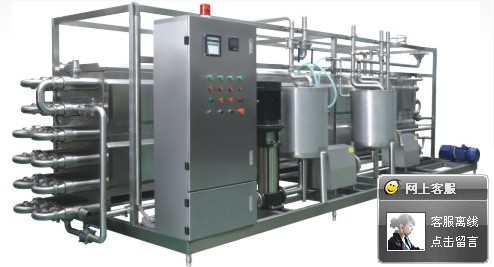
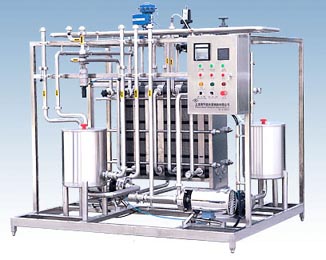
Beverage processing typically utilizes Plate Heat Exchangers (PHE) for low-viscosity fluids like wine, beer, and juices, or Tubular/Corrugated Tube Heat Exchangers for high-particulate or viscous products like fruit purees. When specifying your order, you must detail:
- Material Grade: Product-contact surfaces must be SS304 or SS316L stainless steel. For high-acid beverages (like citrus juices) or high-chloride environments, titanium plates may be necessary to prevent pitting.
- Surface Finish: Sanitary applications require a surface roughness (Ra) of under 0.8µm, with premium pharmaceutical or dairy-grade units polished to under 0.4µm to prevent bacterial adhesion.
- Gasket Material: Gaskets must be FDA-compliant. EPDM is standard for hot water and steam up to 150°C, while NBR is used for standard cooling. Viton (FKM) is reserved for high-temperature oils or aggressive CIP (Clean-in-Place) chemicals.
- Operating Metrics: Factories require your target flow rate (L/h), inlet/outlet temperature deltas, and maximum working pressure (typically 10 to 25 bar) to calculate the required heat transfer area.
| Design Type | Best For | Max Pressure | Cleanability |
|---|---|---|---|
| Gasketed Plate (PHE) | Wine, clear juice, milk, wort | Up to 25 bar | Excellent (can be dismantled) |
| Tubular / Shell & Tube | Viscous liquids, fruit pulp, syrups | Up to 40+ bar | Good (CIP only, harder to inspect) |
| Brazed Plate | Refrigerants, glycol chilling | Up to 30 bar | Poor (not for direct food contact) |
Ensure your supplier understands the exact thermal and sanitary requirements of your processing line. Our engineering team can help translate your needs into factory-ready specifications.
Discuss Your SpecsFactory Floor Realities: Where Quality is Won or Lost
Not all stainless steel fabrication is equal. The difference between a reliable OEM partner and a substandard supplier lies in their machining precision and welding protocols. Relying on Factory Audits is crucial to verify a supplier's capability to meet sanitary standards before you place a volume order.
Manufacturing and Inspection Checkpoints
Pre-Shipment Quality Control Focus Areas
- Material Verification: PMI (Positive Material Identification) testing to confirm SS316L or Titanium grades.
- Surface Finish Testing: Profilometer checks to ensure Ra values are under 0.8µm on all product-contact surfaces.
- Weld Integrity: Endoscopic inspection of orbital welds in tubular exchangers to check for crevices or oxidation (sugaring).
- Pressure Testing: Hydrostatic testing at 1.5 times the design pressure to verify gasket seating and structural integrity.
- Frame Rigidity: Verification of the carbon steel or stainless steel frame thickness and tightening bolt alignment.
Catching a defective plate pack or a micro-crevice in a weld after the unit has been integrated into a beverage line results in catastrophic contamination. Implementing strict Quality Control & Inspection at the factory level—including hydrostatic and dye penetrant testing—is mandatory for sanitary equipment.
Sourcing Mechanics: Pricing, MOQs, and Lead Times
The market for industrial heat exchangers in China is highly mature, concentrated heavily in Jiangsu, Zhejiang, and Shandong provinces. Pricing is directly tied to global raw material costs (stainless steel and titanium) and the complexity of the engineering.
If you are a machinery brand looking to integrate heat exchangers into your own skid systems (like pasteurizers or CIP stations), leveraging OEM/ODM Services allows you to customize plate patterns, port sizes, and frame branding to match your exact system architecture.
Navigating supplier negotiations, technical drawings, and export compliance for industrial machinery is complex. Let our sourcing experts manage the factory relationship from initial quote to final delivery.
Get Sourcing SupportBuyer FAQ
Final Sourcing Insight
Procuring heat exchangers for beverage processing is an exercise in risk management. A unit that looks identical on a specification sheet can fail rapidly if the plate stamping is uneven or the metallurgy is compromised. Success requires moving beyond unit price and rigorously validating the manufacturer's engineering capabilities, sanitary compliance, and quality control infrastructure.
Get Sourcing Help for Heat Exchangers
Tell us your requirements and our experts will connect you with verified manufacturers.