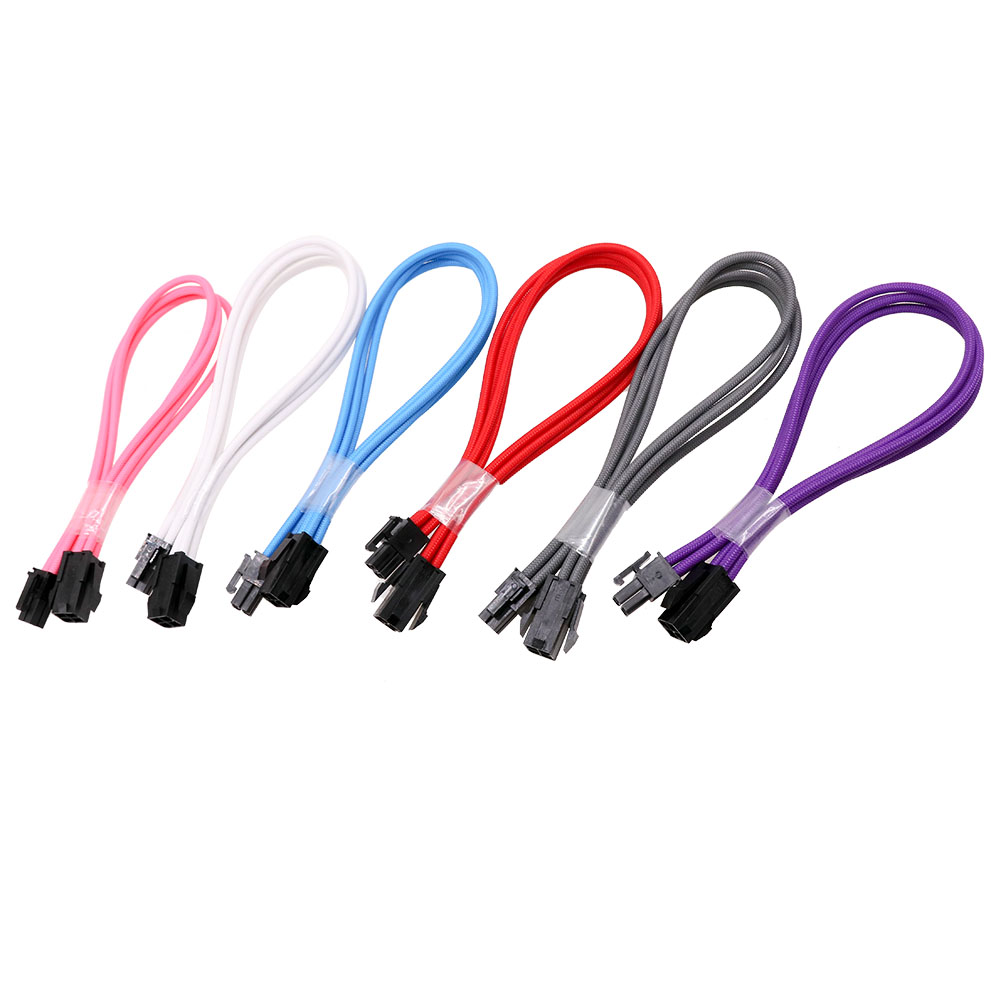
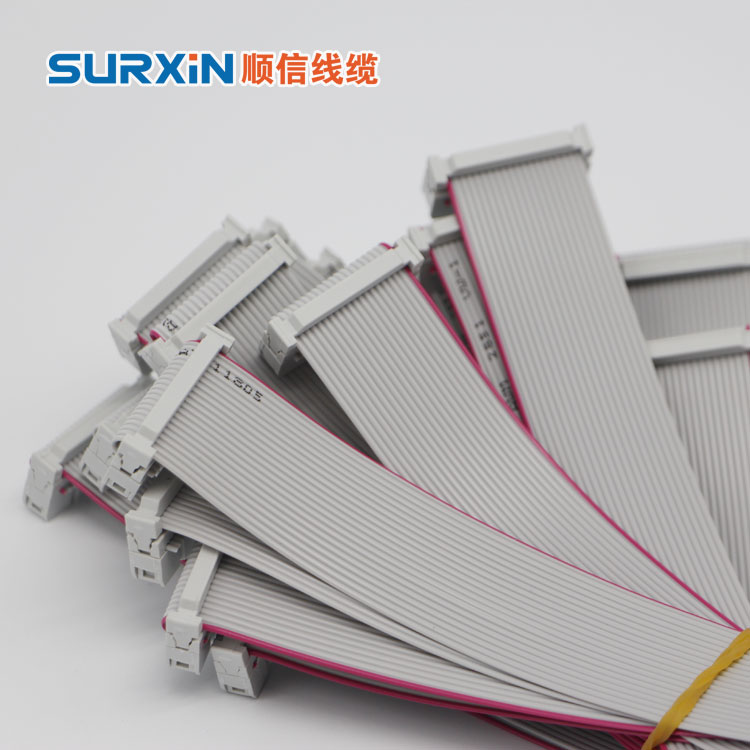
Headers and Wire Housings
Source high-quality headers and wire housings from vetted manufacturers and suppliers across Asia. Designed for importers, electronics distributors, and brands requiring reliable OEM production, our network delivers bulk quantities with strict quality control. Secure competitive wholesale pricing for your assembly lines today.
Sourcing headers and wire housings in bulk requires balancing extreme cost pressure with zero-defect tolerances. Whether you are procuring standard 2.54mm pin headers or custom low-profile housings for high-density PCBs, the core challenge remains the same: ensuring consistent pin coplanarity, reliable plating thickness, and precise housing dimensions across production runs of millions of units.
Specifying Headers and Housings for Bulk Production
A minor spec deviation in a wire-to-board or board-to-board connector can halt an entire SMT assembly line. When negotiating with manufacturers, your RFQ must explicitly define the critical parameters that dictate tooling and pricing.
- Pitch and Pin Count: Standard pitches (2.54mm, 2.00mm, 1.27mm, 1.00mm) utilize existing tooling, keeping costs low. Non-standard pitches require custom molds.
- Plating Specifications: Specify exact thickness (e.g., 1u" to 30u" gold, or matte tin). Gold flash is common for cost-sensitive projects, but high-cycle applications require thicker selective gold plating on the contact areas to prevent oxidation and wear.
- Insulator Material: Through-hole (THT) components typically use PBT or Nylon 66 (UL94V-0). Surface-mount (SMT) components require high-temperature plastics to withstand reflow soldering.
| Material | Mounting Type | Heat Resistance | Cost Profile |
|---|---|---|---|
| PBT | Through-Hole (Wave Solder) | Standard (up to 220 C) | Low |
| Nylon 66 | Wire Housings / THT | Standard | Low |
| LCP / PA9T | SMT (Reflow Solder) | High (over 260 C) | Premium |
Struggling with inconsistent plating or plastic deformation during reflow? Let Merhein audit your supply chain and match you with capable connector manufacturers.
Talk to our teamWhere Quality is Won and Lost on the Factory Floor
The manufacturing of electronic connectors involves high-speed stamping, precision injection molding, continuous reel-to-reel plating, and automated assembly. Substandard factories often cut corners in the plating process or rely on manual assembly to save on equipment costs, leading directly to high defect rates.
To ensure reliability, rigorous Quality Control & Inspection must focus on several key failure points:
Critical Connector Inspection Points
- Pin coplanarity (maximum deviation of 0.10mm for SMT components)
- Plating thickness verification using X-ray fluorescence (XRF)
- Terminal retention force testing (push-out force)
- Visual inspection for plastic flashing or short shots in housings
- Solderability testing (wetting balance test)
If a factory relies heavily on manual pin insertion rather than automated stitching machines, your risk of bent pins and inconsistent insertion depth increases exponentially. Conducting thorough Factory Audits before placing high-volume orders is non-negotiable to verify their automation capabilities. Furthermore, components must undergo rigorous Compliance & Testing to ensure RoHS and REACH compliance, particularly regarding lead-free plating materials and flame-retardant plastics.
Typical MOQs, Pricing, and Lead Times
Connector manufacturing is a volume game. Tooling for standard pitches is ubiquitous, but custom pin lengths, unique housing molds, or specialized keying will require NRE (Non-Recurring Engineering) fees.
Raw material costs—specifically copper alloys (brass or phosphor bronze) and gold—heavily influence unit pricing. Buyers should index their target pricing to global commodity markets and lock in rates for large blanket orders to mitigate currency and material fluctuations.
Need to consolidate your connector purchasing or negotiate better terms? Partner with Merhein to streamline your procurement.
Get a free consultationFrequently Asked Questions
Securing a reliable supply of headers and wire housings means looking past unit cost and verifying the manufacturer's automation, plating consistency, and material controls. When you are ready to stabilize your component supply chain and eliminate assembly line disruptions, our team is here to manage the sourcing, vetting, and quality control from end to end.
Get Sourcing Help for Headers and Wire Housings
Tell us your requirements and our experts will connect you with verified manufacturers.