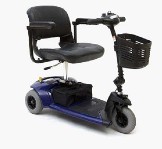
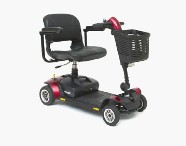
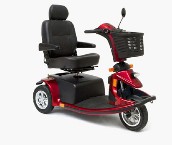
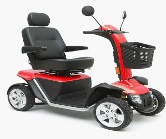
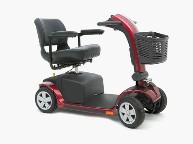
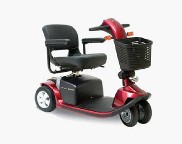
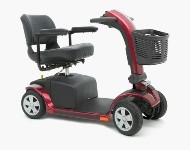
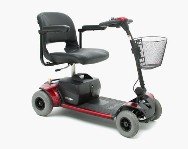
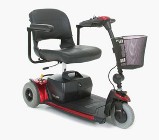
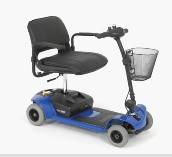
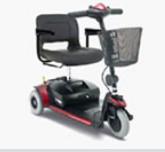
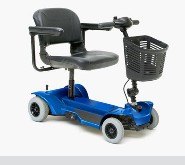
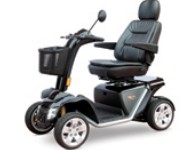
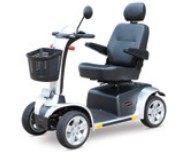
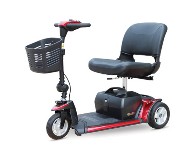
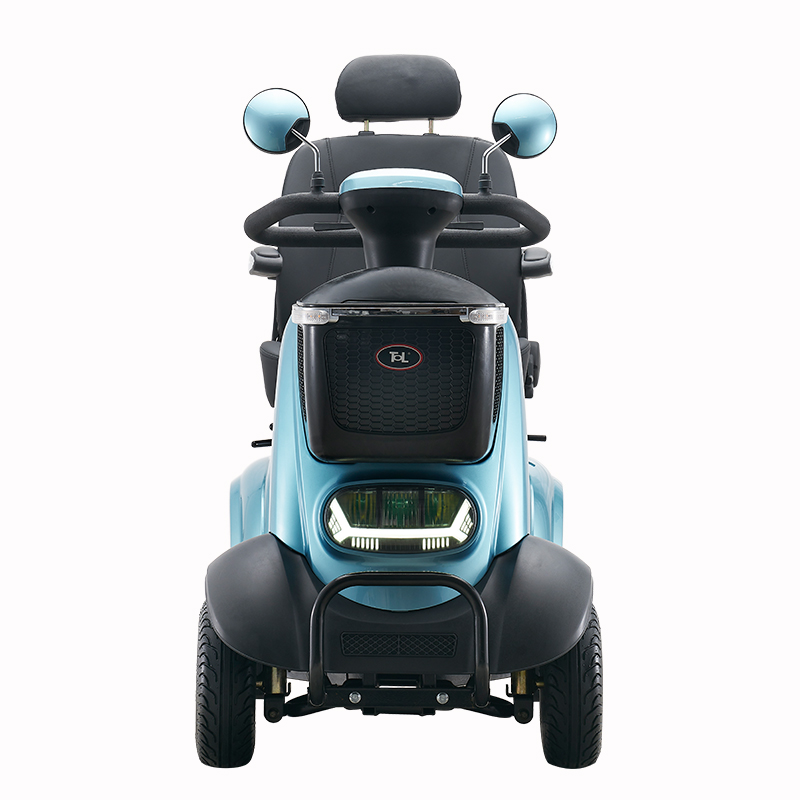
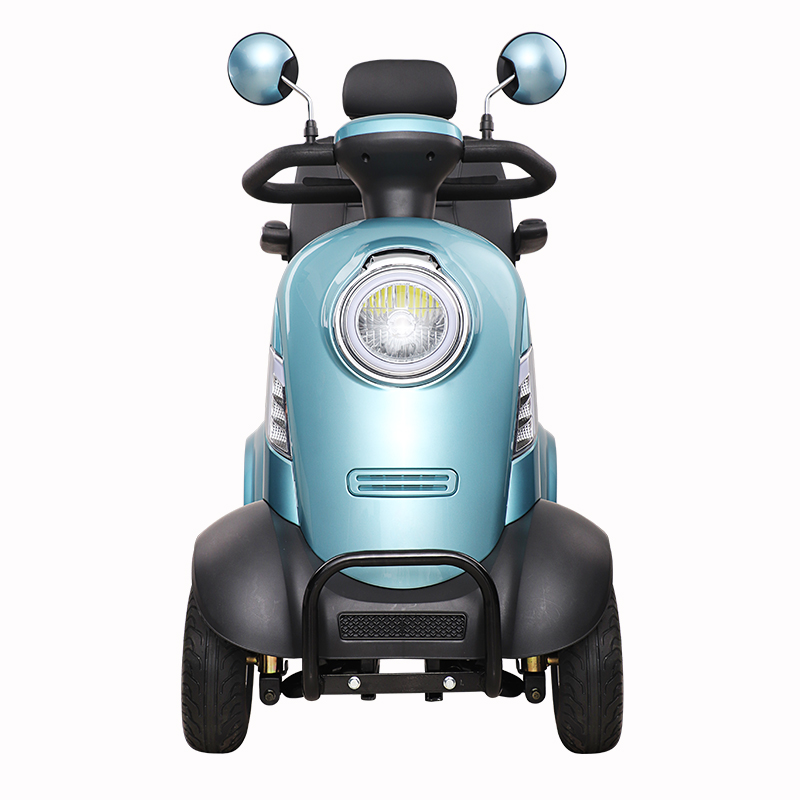
Handicapped Scooters
Source reliable Handicapped Scooters from vetted manufacturers and suppliers. This category is designed for medical device importers, healthcare distributors, and mobility brands seeking OEM or private-label production. Connect with factories capable of delivering certified, high-quality mobility solutions in bulk.
Sourcing handicapped scooters requires balancing strict medical device regulations with consumer expectations for performance, battery life, and comfort. Because these are Class I or Class II medical devices depending on the market, the sourcing process goes far beyond basic consumer electronics. You must verify that a supplier's engineering capabilities and quality management systems are robust enough to ensure consistent, safe operation across every production run.
Core Specifications to Define
When negotiating with a factory, generic requests yield generic, often subpar products. To secure reliable scooters, you must specify the exact components that drive performance and longevity.
Motor and Drivetrain
The motor dictates a scooter's weight capacity and ability to handle inclines. Standard indoor models typically utilize 250W to 350W brushed motors, while heavy-duty or outdoor models require 500W to 800W brushless DC (BLDC) motors for better torque and heat dissipation. Specify the transaxle ratio and ensure the electromagnetic braking system engages smoothly upon throttle release.
Battery Technology
Battery choice impacts cost, weight, and shipping logistics.
- Sealed Lead Acid (SLA): Cost-effective, heavier, and standard for budget or entry-level models. They require strict maintenance protocols to prevent premature degradation.
- Lithium-Ion: Lighter, faster charging, and offers a longer lifespan. However, lithium batteries require strict UN38.3 certification for shipping and robust Battery Management Systems (BMS) to prevent thermal runaway.
| Component | Standard / Entry-Level | Premium / Heavy-Duty |
|---|---|---|
| Controller | Generic generic PCB | PG Drives (UK) or Dynamic (NZ) |
| Motor | 250W Brushed | 800W Brushless DC |
| Frame Material | Standard Carbon Steel | Aviation-grade Aluminum Alloy |
| Suspension | Rigid / None | Four-wheel independent coil |
Need help verifying a factory's engineering capabilities? Our sourcing experts can audit suppliers and negotiate technical specifications on your behalf.
Talk to our teamManufacturing and Quality Control Realities
The structural integrity of a mobility scooter is won or lost in the welding and assembly phases. Many suppliers assemble components sourced from various sub-tier factories, meaning consistency can vary wildly between batches if not strictly managed.
When evaluating a manufacturer, pay close attention to their frame welding process. Robotic welding ensures consistent bead quality and structural integrity, whereas manual welding requires highly skilled labor and stringent non-destructive testing.
Critical Pre-Shipment Inspection Points
- Electromagnetic brake engagement testing under maximum weight load on a 15-degree incline.
- Controller diagnostic check to verify programmed acceleration and deceleration curves.
- Battery load testing and BMS cut-off verification.
- Frame alignment checks to ensure even tire wear and straight-line tracking.
- Verification of all CE/FDA labeling and user manual compliance.
To mitigate defect rates, implement rigorous Quality Control & Inspection protocols. Relying solely on the factory's internal QA is a common misstep; independent, third-party inspections should occur both in-line (during assembly) and pre-shipment.
Compliance and Regulatory Standards
Handicapped scooters are heavily regulated. Importing non-compliant devices can result in customs seizures or severe liability issues.
Your supplier must hold a valid ISO 13485 certification for medical device quality management. For the European market, the scooters must comply with the Medical Device Regulation (MDR) and carry valid CE marking. For the US market, depending on the specific claims made about the scooter, it may require an FDA 510(k) clearance or registration as a Class II exempt device.
Documentation Verification
Never accept a CE certificate at face value. Always verify the certificate number with the issuing Notified Body. Many factories provide outdated or invalid documentation. If you are unsure, utilizing professional Compliance & Testing services is essential before placing an order.
Typical MOQs, Pricing, and Lead Times
The mobility scooter supply chain is heavily concentrated in specific manufacturing hubs in China, particularly in Jiangsu, Zhejiang, and Guangdong provinces.
- Minimum Order Quantities (MOQs): For standard models, MOQs typically range from 20 to 50 units. For custom branding or specific colorways, expect MOQs to align with a 20ft container (roughly 40 to 60 units depending on packaging size). If you require deep OEM/ODM Services for custom frame designs, MOQs often start at 100+ units to justify tooling costs.
- Lead Times: Standard production runs generally take 30 to 45 days. OEM projects requiring new molds or custom controllers can extend lead times to 60 to 90 days. Always factor in an additional 30 days for ocean freight and customs clearance.
Ready to optimize your supply chain? Let us help you negotiate better terms, manage production schedules, and ensure consistent quality from vetted manufacturers.
Get a free consultationFrequently Asked Questions
Successfully importing handicapped scooters requires technical diligence and an uncompromising approach to quality assurance. By partnering with audited factories and enforcing strict component specifications, you can build a reliable product line that meets regulatory demands and serves end-users safely.
Get Sourcing Help for Handicapped Scooters
Tell us your requirements and our experts will connect you with verified manufacturers.