Hand Planes
Source premium hand planes in bulk from vetted manufacturers and suppliers across Asia. Designed for hardware distributors, tool importers, and brands seeking reliable OEM and private-label production. Secure competitive wholesale pricing on precision woodworking tools with verified factory partners.
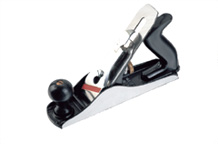
Sourcing hand planes at scale requires navigating a highly fragmented manufacturing base where the line between a basic hardware-store tool and a premium woodworking instrument is defined entirely by factory-level machining tolerances and material selection. For volume buyers, the challenge is identifying suppliers that possess both the heavy casting capabilities and the precision CNC machining required to produce a tool that performs flawlessly out of the box.
Core Specifications and Material Selection
The performance of a hand plane relies on the rigidity of its body and the edge retention of its blade. When negotiating with manufacturers, specifying the exact metallurgy and post-casting treatments is non-negotiable.
| Component | Standard Wholesale | Premium / Professional |
|---|---|---|
| Body Casting | Standard Grey Iron | Stress-Relieved Ductile Iron |
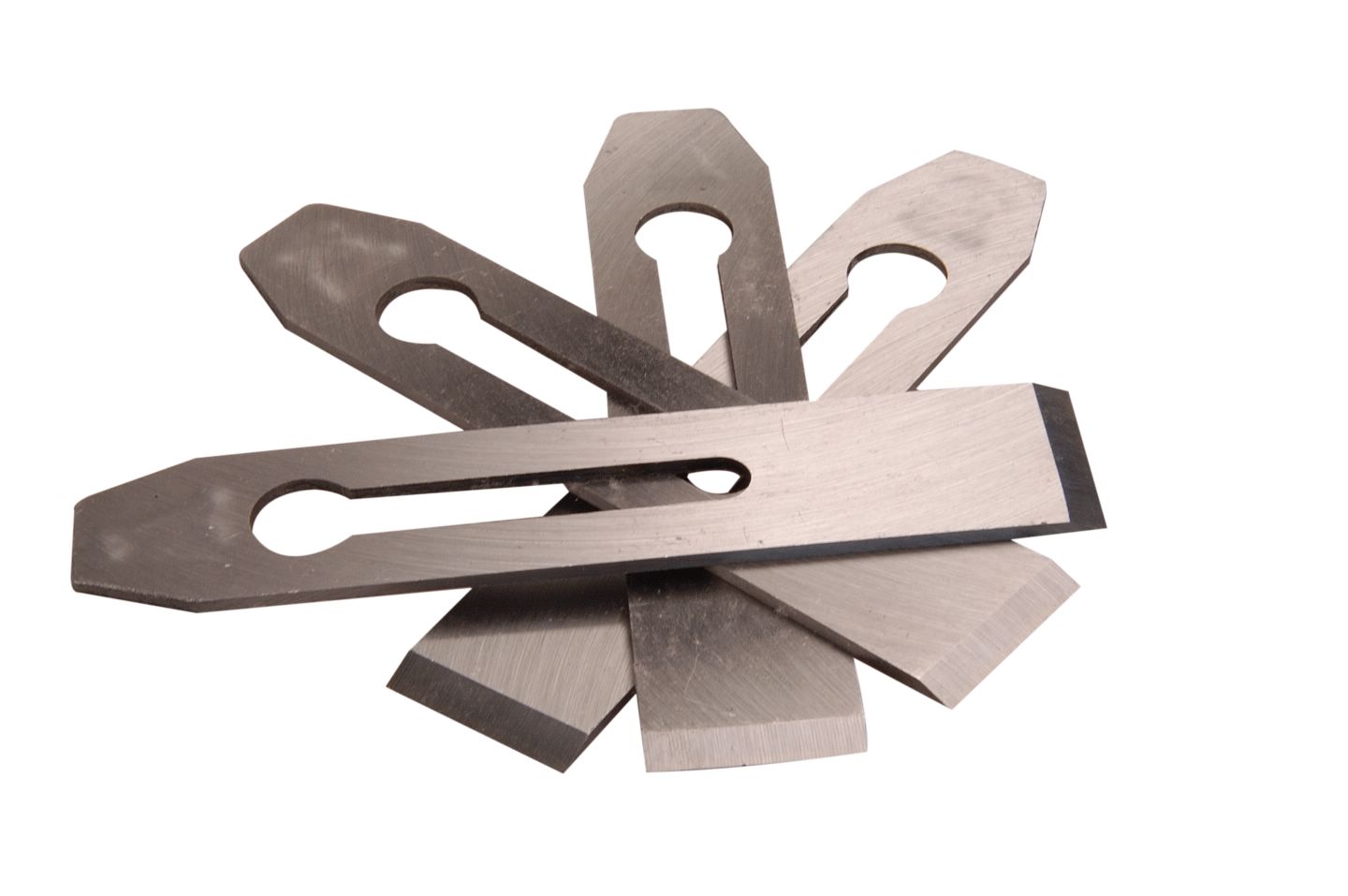
| Blade Steel | Standard Carbon Steel (HRC 55-58) | T10, A2, or PM-V11 equivalent (HRC 60-64) |
| Sole Flatness | Machined to 0.005 inches | Precision ground to within 0.0015 inches |
| Fittings | Stamped steel, basic brass | Cast bronze, precision-machined brass |
Body Castings and Stress Relief
Most entry-level planes utilize grey iron bodies. While cost-effective, grey iron is brittle and prone to cracking if dropped. Premium planes demand ductile iron. More importantly, the casting must undergo proper thermal stress relief before final machining. If a factory skips this step to accelerate production, the iron will slowly warp over time, destroying the sole's flatness. Verifying a supplier's thermal treatment processes is a critical part of Factory Audits before committing to a high-volume order.
Need to verify a factory's casting and machining capabilities? Let our sourcing engineers evaluate your potential suppliers before you place a deposit.
Talk to our teamManufacturing Tolerances and Quality Control
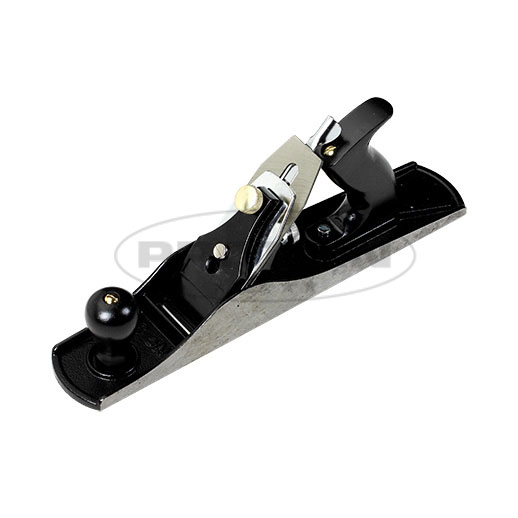
The true cost of a hand plane is incurred during the machining phase. A perfectly flat sole and square sides are useless if the frog—the angled block that holds the blade—is not seated perfectly against the body.
Critical Machining Points
- The Frog Seating: The mating surface between the frog and the plane body must be milled perfectly flat. Poor machining here causes blade chatter, rendering the tool useless for fine woodworking.
- The Mouth Opening: The mouth must be machined square to the sides. Inconsistencies here prevent proper shaving clearance.
- Blade Bedding: The blade must sit completely flush against the frog.
Catching these defects requires strict Quality Control & Inspection protocols at the factory level. Relying on standard AQL (Acceptable Quality Limit) visual inspections is insufficient for precision tools; inspectors must use machinist straight edges, feeler gauges, and Rockwell hardness testers on the production line.
Pre-Shipment Inspection Focus Areas
- Measure sole flatness with a straight edge and 0.0015-inch feeler gauge.
- Check side-to-sole squareness using a precision machinist square.
- Test blade hardness (HRC) using a calibrated Rockwell tester.
- Assemble and test the depth adjustment mechanism for excessive backlash.
- Verify the frog seating surface for milling marks or gaps.
Pricing, MOQs, and Lead Times
Hand plane manufacturing is capital-intensive, requiring expensive molds for the castings and significant CNC machine time.
When developing a custom line through OEM/ODM Services, expect tooling costs for new body designs to range from $2,000 to $5,000 per size. To manage initial capital outlay, many brands opt for "white-labeling" a factory's existing premium molds, focusing their customization on the blade steel, cap iron design, and handle materials (e.g., swapping standard rosewood for sustainably sourced domestic hardwoods).
Planning a private-label hand tool line? We can help you negotiate tooling costs, manage MOQs, and secure the right manufacturing partner.
Get a free consultationFrequently Asked Questions
Successfully importing hand planes requires moving beyond standard trading companies and partnering directly with factories that understand the rigorous demands of professional woodworkers. By specifying exact tolerances, mandating stress-relieved castings, and enforcing strict metallurgical standards, you can build a highly profitable, professional-grade tool brand.
Get Sourcing Help for Hand Planes
Tell us your requirements and our experts will connect you with verified manufacturers.