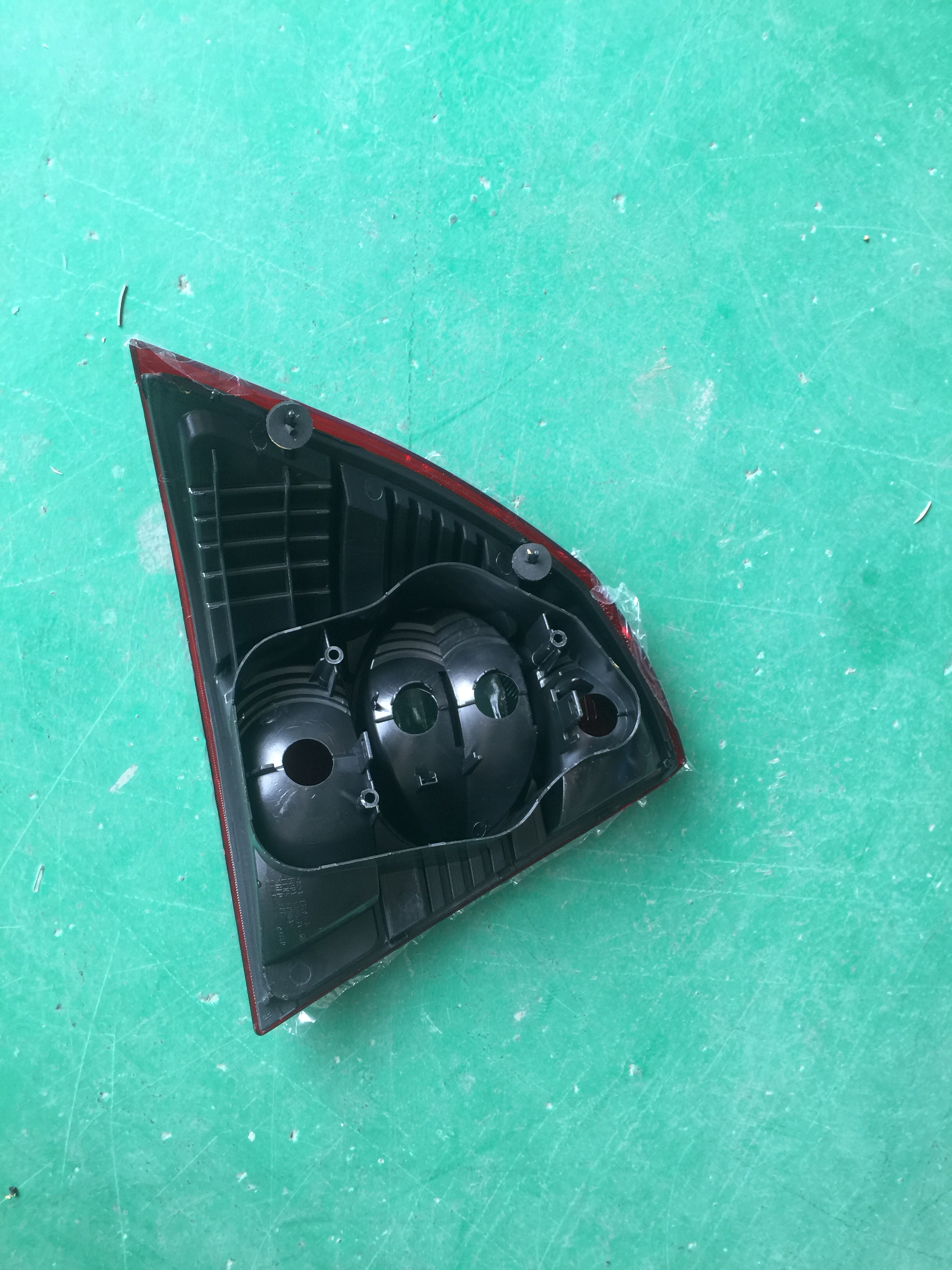
Halogen & Xenon Tail Lights
Source high-quality Halogen & Xenon Tail Lights from vetted suppliers and manufacturers across Asia. Designed for automotive parts importers, aftermarket wholesalers, and brands seeking reliable OEM production, our catalog ensures access to DOT and ECE-compliant lighting systems built for durability and volume scale.
While LED technology dominates new vehicle platforms, the global aftermarket and replacement demand for halogen and xenon tail light assemblies remains massive. For bulk buyers, sourcing these components is not just about matching a bulb socket; it requires strict adherence to photometric standards, precise tooling to ensure OEM-grade fitment, and robust sealing to prevent the most common failure point: moisture ingress.
Success in this category demands working with manufacturers who control their injection molding and vacuum metallization processes in-house, rather than relying on fragmented sub-assembly workshops.
Critical Specifications for Tail Light Assemblies
When sourcing aftermarket or custom tail lights, the housing and lens materials dictate the product's lifespan and regulatory compliance. Sub-standard plastics will yellow, crack under thermal stress, or fail impact tests.
| Component | Standard Material | Manufacturing Focus |
|---|---|---|
| Outer Lens | PMMA (Acrylic) or Polycarbonate (PC) | Requires UV-resistant coating to prevent yellowing over time. |
| Reflector | BMC or High-Heat PC | Vacuum metallization must be uniform to meet photometric output standards. |
| Housing Base | ABS or PP+Talc | Must maintain dimensional stability under high thermal loads from halogen bulbs. |
| Sealing | Butyl Rubber or Hot Melt Adhesive | Ultrasonic welding or robotic glue dispensing is critical for IP67+ ratings. |
Experiencing high defect rates due to moisture ingress or poor fitment in your current supply chain?
Talk to our teamManufacturing and Quality Control
The production of automotive lighting assemblies is a highly specialized process. A factory's capability is best judged by its tooling precision and its end-of-line testing protocols. Relying on visual checks is insufficient; proper Quality Control & Inspection must involve rigorous physical and environmental testing.
Injection Molding
Multi-color injection molding machines form the complex PMMA/PC lenses. Precision tooling here ensures the lens fits the housing without requiring excessive adhesive, which can lead to leaks.
Vacuum Metallization
The internal reflectors are coated with a thin layer of aluminum in a vacuum chamber. Poor adhesion or uneven coating here will cause the light to fail DOT/ECE photometric tests.
Assembly and Sealing
Lenses and housings are mated using ultrasonic welding or automated hot-melt glue dispensing. Manual gluing is a red flag for volume production.
Leak and Pressure Testing
100 percent of units should undergo air-pressure decay testing on the line to verify the hermetic seal before packaging.
Regulatory Compliance
Automotive lighting is highly regulated. You cannot legally import or distribute tail lights in major markets without the correct certifications. Ensuring your factory has valid test reports for the specific SKUs you are buying is critical. If you are developing custom designs through OEM/ODM Services, you must budget for homologation testing.
Mandatory Compliance Checks
- DOT / FMVSS 108 (for the US market) molded directly into the lens.
- E-mark (for European markets) with the correct country code and application number.
- SAE compliance documentation for aftermarket performance parts.
- In-house photometric testing tunnels at the factory to verify beam patterns.
Pricing, MOQs, and Lead Times
Sourcing automotive lighting at scale requires understanding the capital intensive nature of plastic injection tooling. Off-the-shelf aftermarket replacements for popular vehicle models carry lower MOQs, while custom designs require significant upfront tooling investment.
Need to negotiate better commercial terms or develop proprietary tooling for a new aftermarket brand?
Get a free consultationBuyer FAQ
Sourcing reliable halogen and xenon tail lights requires looking past the aesthetic finish and scrutinizing the manufacturer's tooling capability, assembly automation, and compliance testing infrastructure. Aligning with a factory that treats photometric standards and hermetic sealing as non-negotiable is the only way to protect your brand from costly aftermarket returns.
Get Sourcing Help for Halogen & Xenon Tail Lights
Tell us your requirements and our experts will connect you with verified manufacturers.