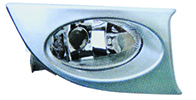
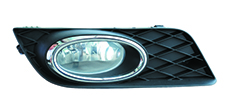
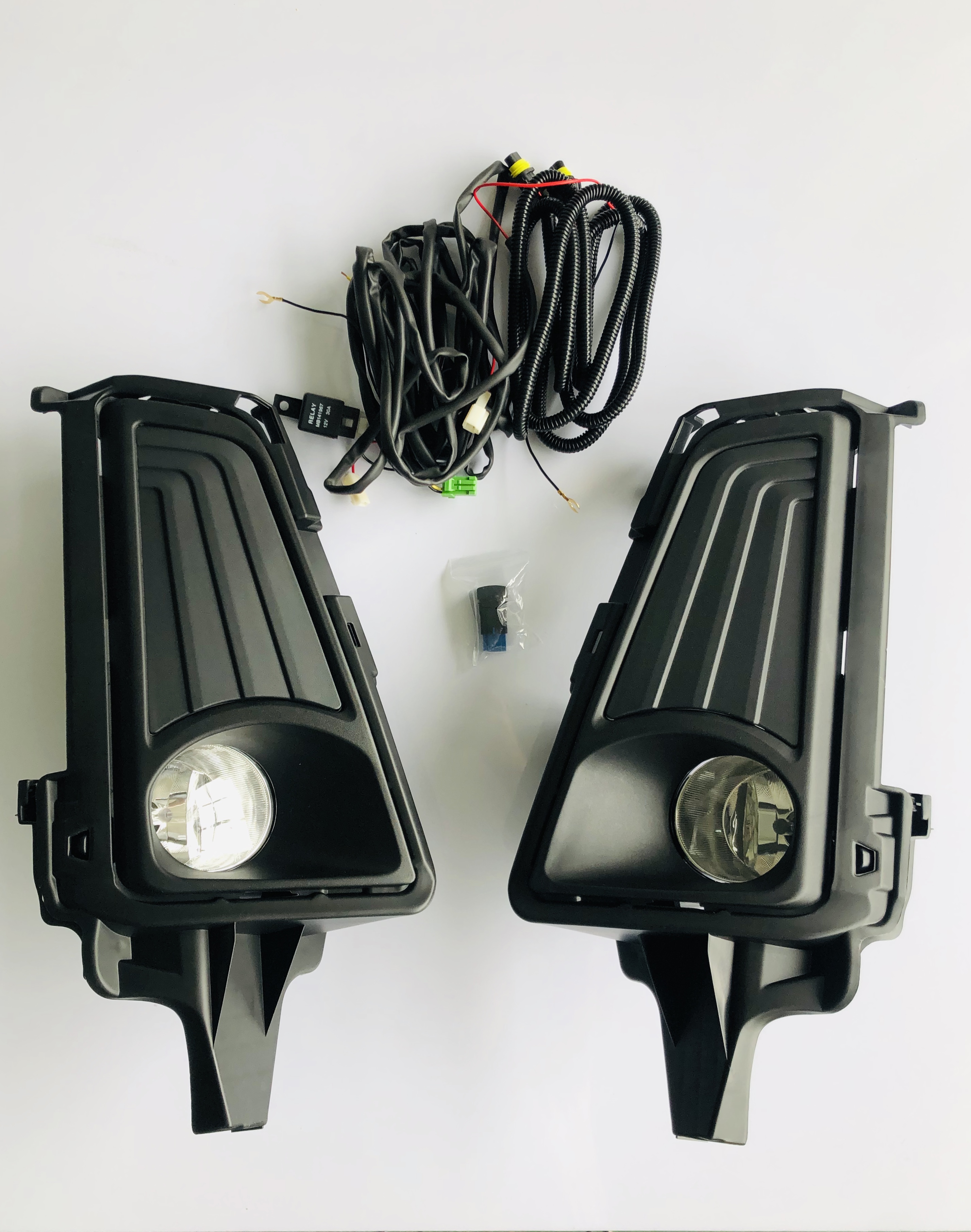
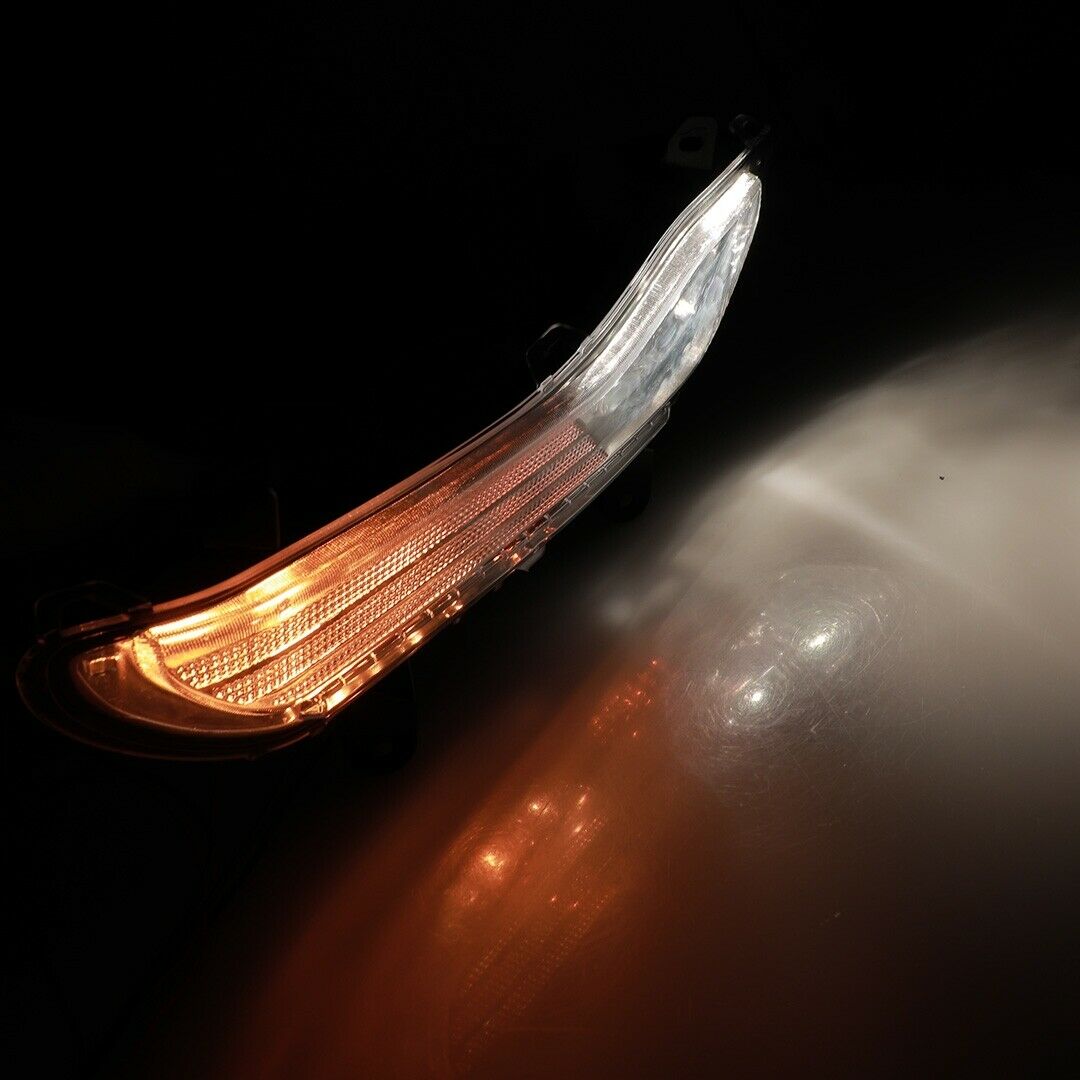
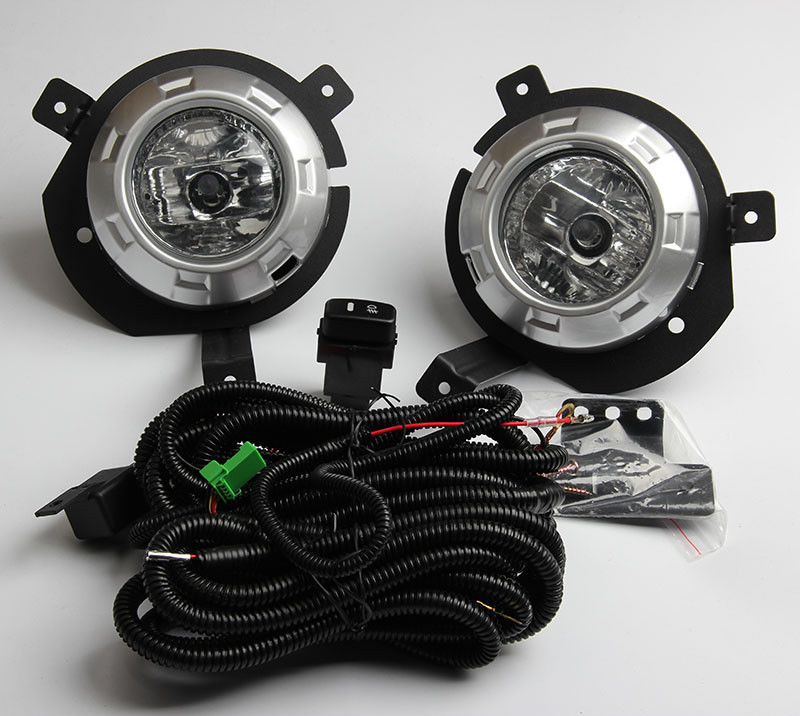
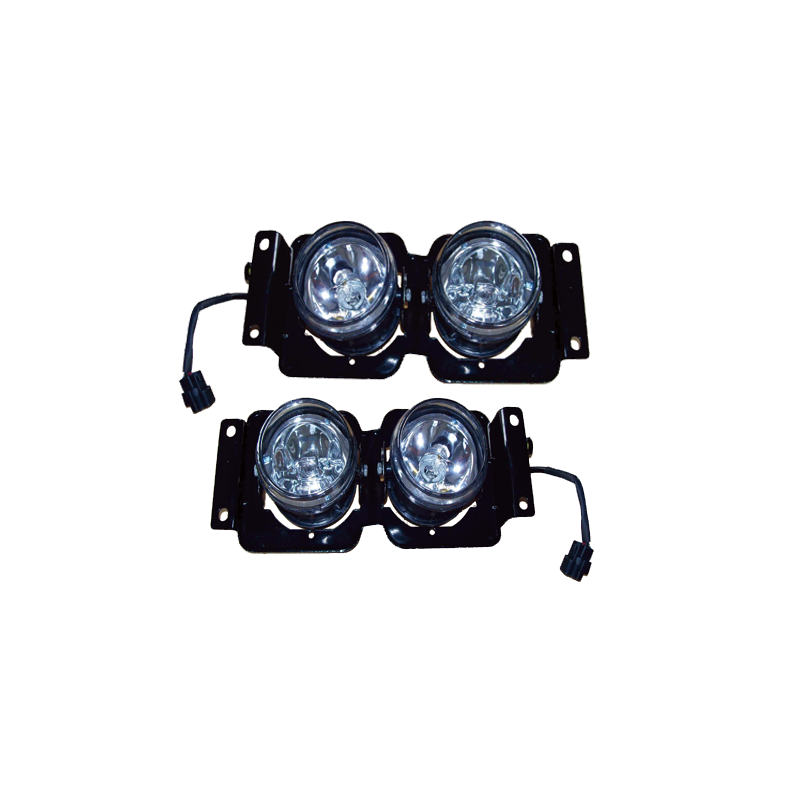
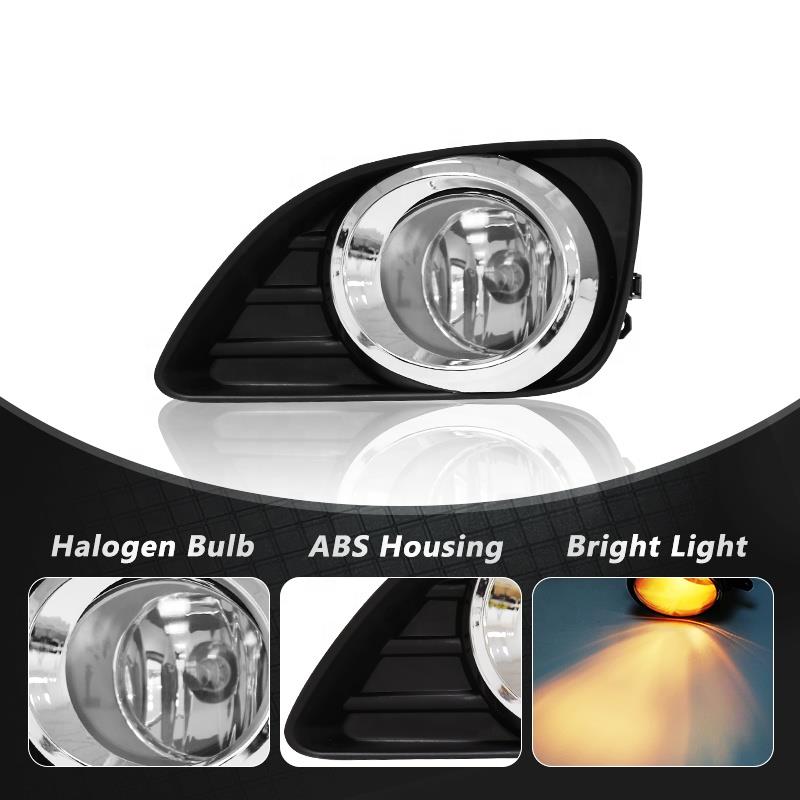
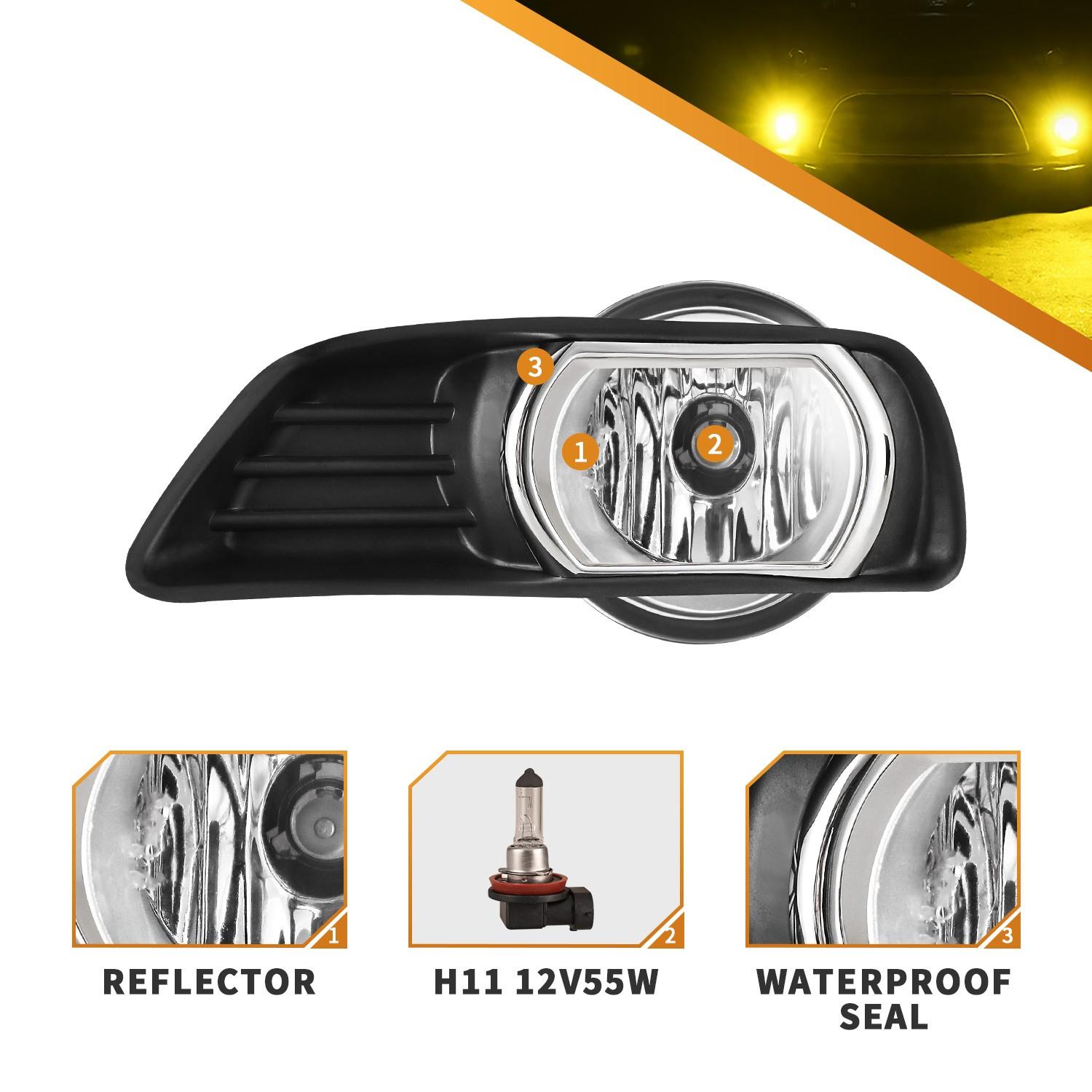
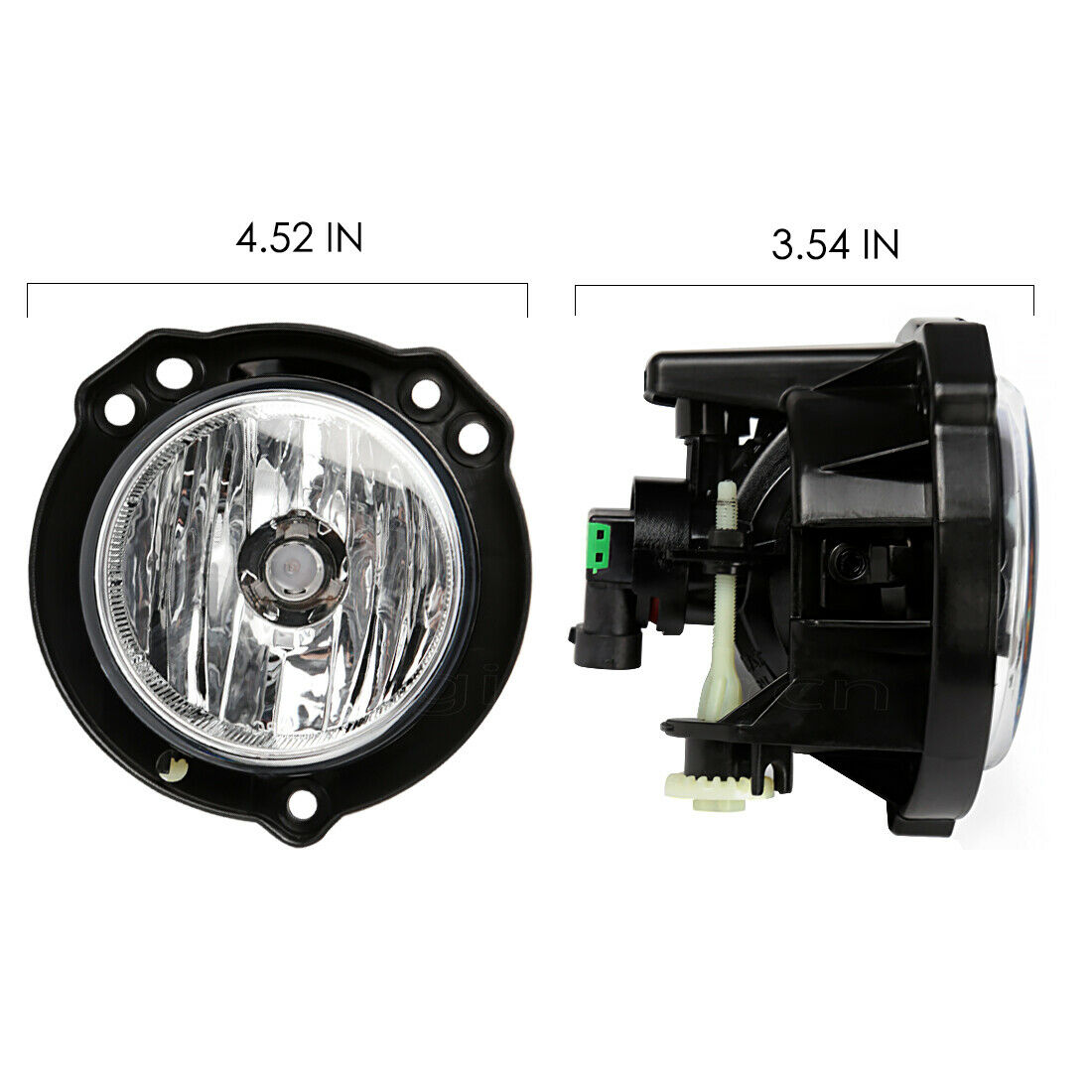
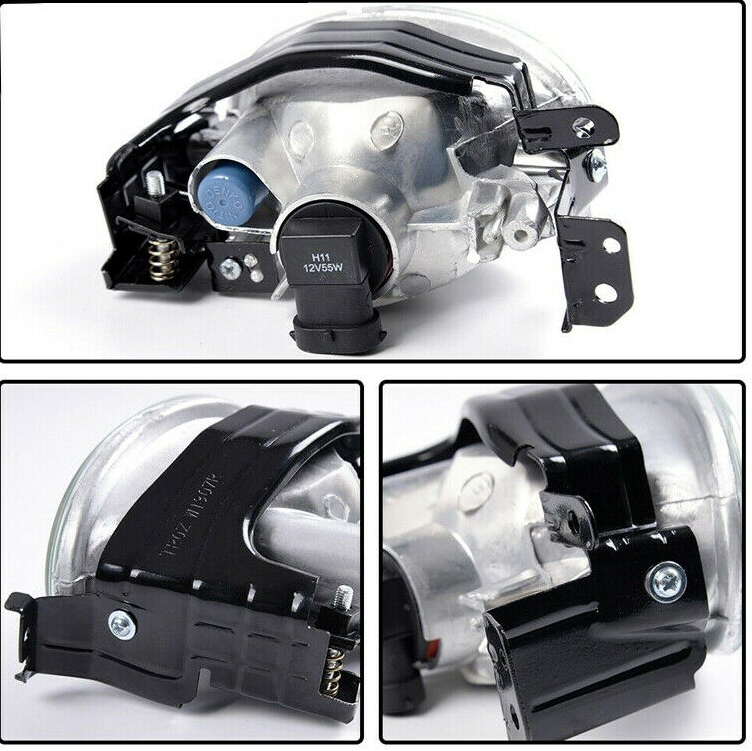
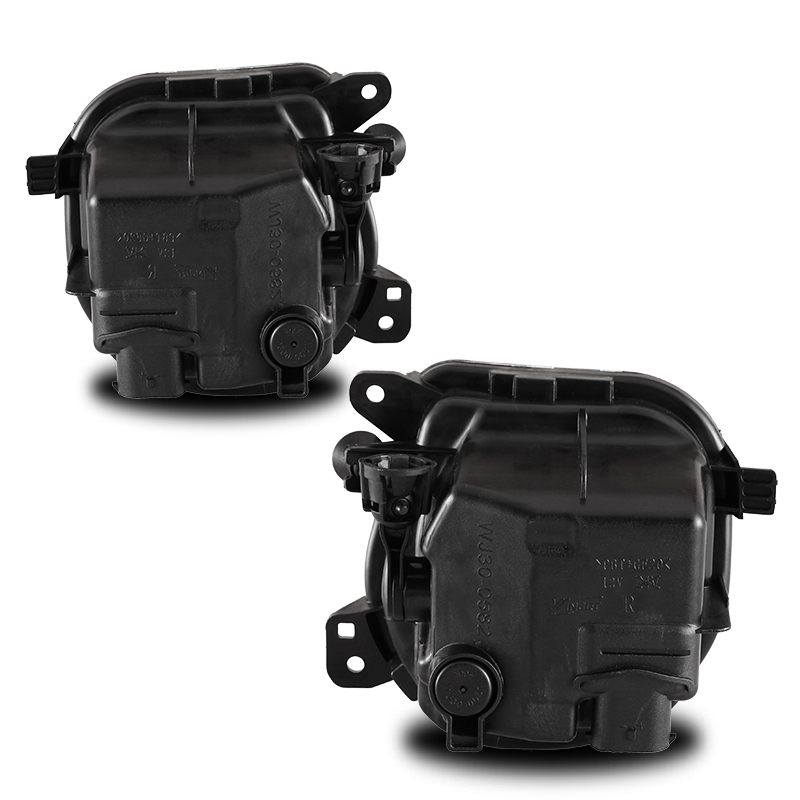
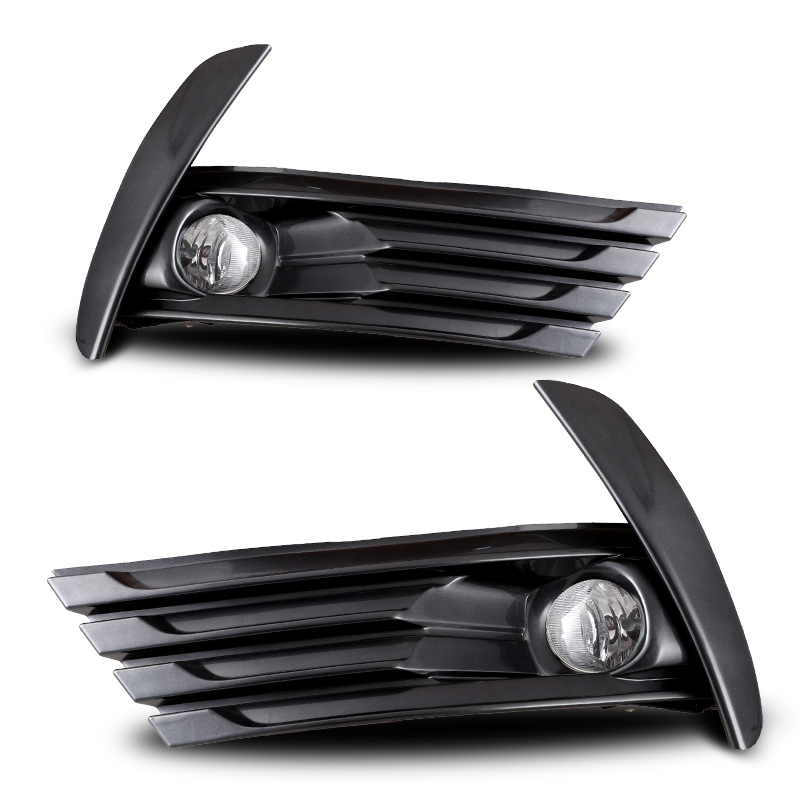
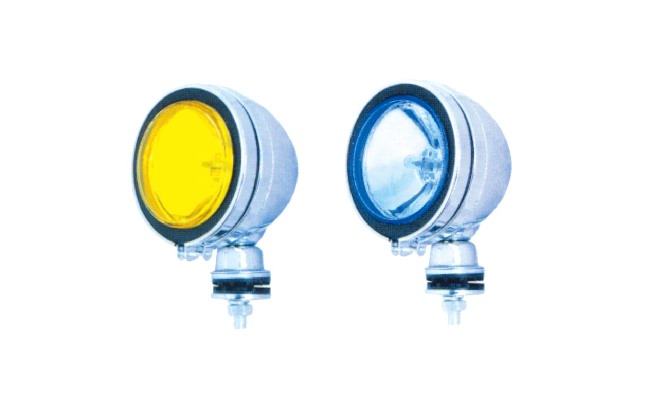
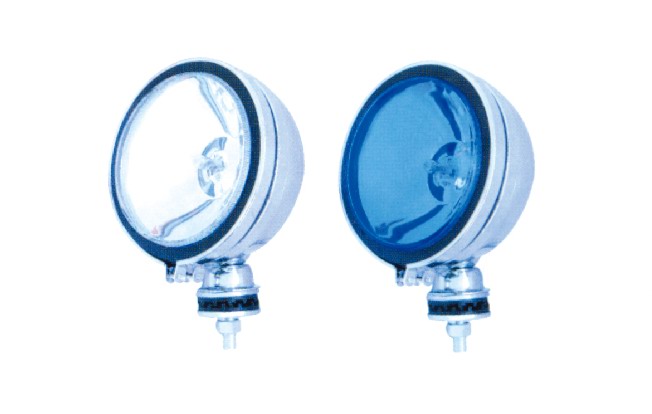
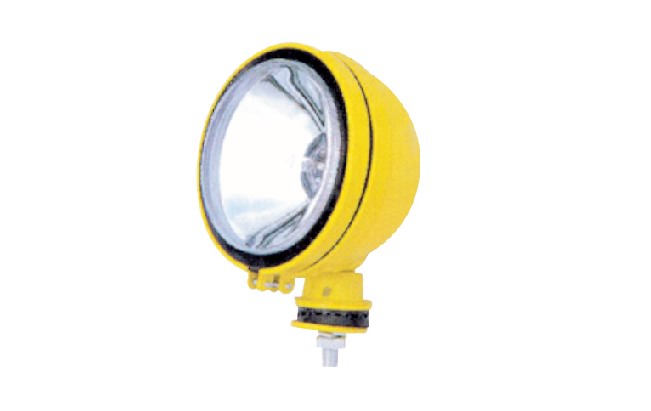
Halogen & Xenon Fog & Driving Lights
Source high-performance Halogen & Xenon Fog & Driving Lights directly from vetted manufacturers and wholesale suppliers. Designed for automotive parts importers, distributors, and brands seeking reliable OEM and aftermarket production, ensuring strict compliance with DOT and ECE standards.
While LED technology has captured a significant share of the automotive lighting market, traditional halogen and xenon (HID) fog and driving lights remain indispensable. For specific aftermarket applications, off-road environments, and direct OEM replacements, these gas-discharge and filament systems offer unmatched beam penetration in adverse weather, superior color rendering, and cost-effective production profiles.
Sourcing these assemblies in bulk requires navigating a complex supply chain. The difference between a premium driving light and a failing unit lies in the precision of the reflector geometry, the thermal management of the housing, and the reliability of the electrical components.
Technical Specifications and Component Architecture
When negotiating with manufacturers, specifying the exact component architecture is critical to ensure the final product meets your market's performance and regulatory demands.
| Specification | Halogen Assemblies | Xenon (HID) Assemblies |
|---|---|---|
| Typical Luminous Flux | 1,000 - 1,500 lumens | 2,800 - 3,500 lumens |
| Color Temperature | 3000K (Yellow) - 4300K | 4300K - 6000K |
| Power Draw | 55W - 100W | 35W - 55W |
| Component Complexity | Bulb, Reflector, Housing | Bulb, Reflector, Housing, Igniter, Ballast |
Reflectors and Lenses
The core of any fog or driving light is its optical system. High-quality manufacturers use die-cast aluminum or high-temperature resistant polycarbonate (PC) for the housing. The reflector must undergo precision vacuum metallization. Inferior plating will degrade rapidly under the high heat generated by halogen and xenon bulbs, leading to a loss of beam focus and intensity. Lenses should be specified as either hardened glass (superior scratch and chemical resistance, preferred for heavy off-road use) or UV-coated polycarbonate (higher impact resistance).
Struggling to find factories that consistently meet DOT or ECE photometric standards? Let us connect you with audited, export-ready lighting manufacturers.
Talk to our teamManufacturing Quality and Defect Control
The primary failure modes for these lighting systems occur when factories cut corners on sealing, material purity, or electrical components. Xenon systems, in particular, require robust AC ballasts; cheaper DC ballasts drastically reduce bulb lifespan and cause noticeable flickering.
To mitigate these risks, comprehensive Quality Control & Inspection protocols must be implemented directly on the factory floor, long before the assemblies are packed for shipping.
Critical Factory-Level Quality Checks
- Vacuum metallization uniformity on reflectors to prevent beam scattering and dark spots.
- Ingress protection (IP67/IP68) pressure testing to verify housing seals and prevent condensation.
- Ballast burn-in testing (minimum 24 hours) for all Xenon HID units to identify early electrical failures.
- Goniophotometer testing to verify strict adherence to DOT/SAE or ECE beam pattern regulations.
- Vibration testing (up to 10G) to ensure filament stability in halogen bulbs and secure mounting brackets.
If you are developing a custom housing design, conducting rigorous Factory Audits is essential to verify that the supplier actually owns the necessary injection molding and vacuum plating equipment, rather than outsourcing these critical steps to unverified sub-tier workshops.
Compliance and Market Regulations
Automotive lighting is heavily regulated. A common sourcing pitfall is importing driving lights that look correct but fail photometric testing at customs or during local market inspections.
- North America: Lenses must bear DOT/SAE markings. The factory must be able to produce test reports proving the beam pattern meets SAE J583 (for fog lamps) or SAE J581 (for auxiliary driving lamps).
- Europe: Products require E-mark certification (ECE R19 for front fog lamps). The "E" mark must be molded into the lens, and the factory must hold the corresponding homologation certificates.
Navigating these requirements often requires third-party Compliance & Testing to ensure the manufacturer's claims match the actual production run.
Pricing, MOQs, and Production Lead Times
Pricing for halogen and xenon assemblies is highly dependent on the raw materials (glass vs. PC, aluminum vs. plastic housings) and the quality of the internal electronics (specifically the HID ballasts).
When negotiating, clarify exactly what is included in the set. Does the price include the wiring harness, relays, and mounting brackets? For Xenon kits, specify the exact brand or specification of the ballast, as this is the primary cost driver and failure point.
Need to negotiate better terms or consolidate shipments from multiple automotive component suppliers? We manage the entire procurement and logistics process.
Get a free consultationBuyer FAQ
Sourcing reliable halogen and xenon lighting requires a strict focus on optical precision and electrical stability. By enforcing rigorous quality standards and verifying regulatory compliance at the factory level, you can secure high-performance assemblies that meet the demands of the professional automotive aftermarket. If you need boots on the ground to manage supplier vetting, technical negotiations, and quality assurance, our team is ready to assist.
Get Sourcing Help for Halogen & Xenon Fog & Driving Lights
Tell us your requirements and our experts will connect you with verified manufacturers.