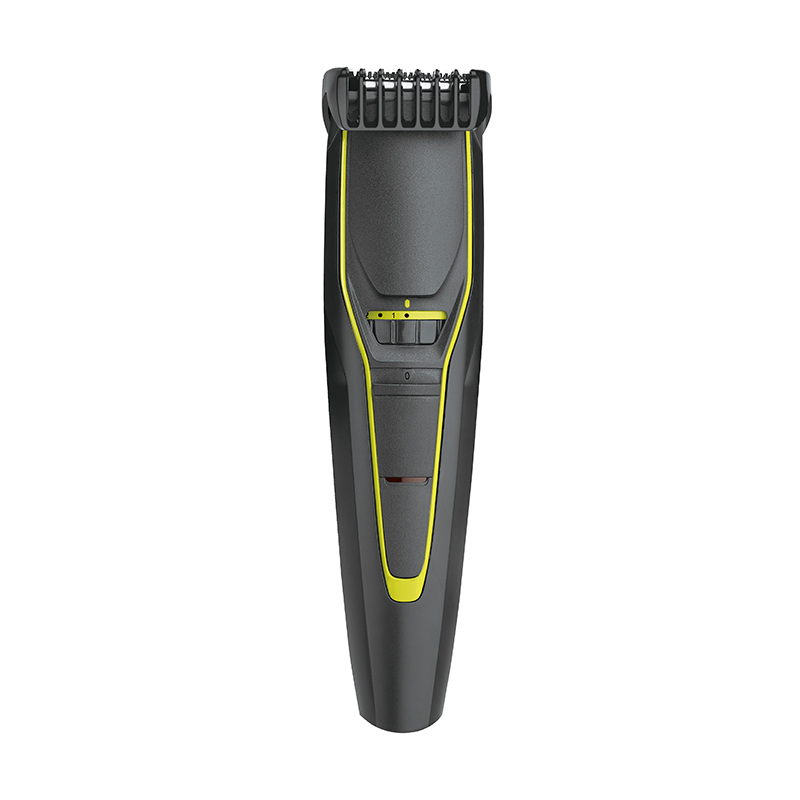
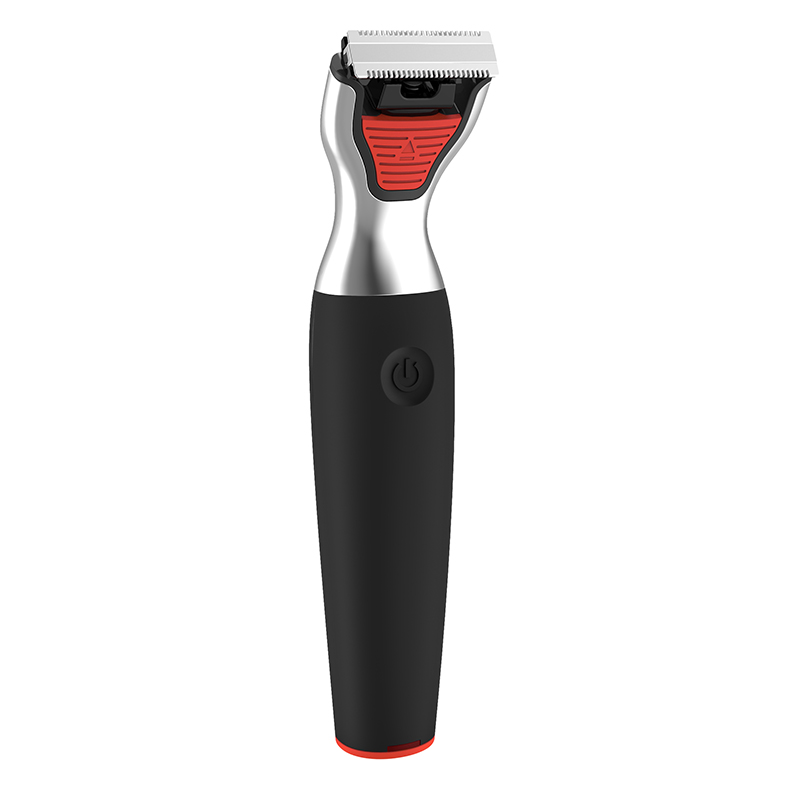
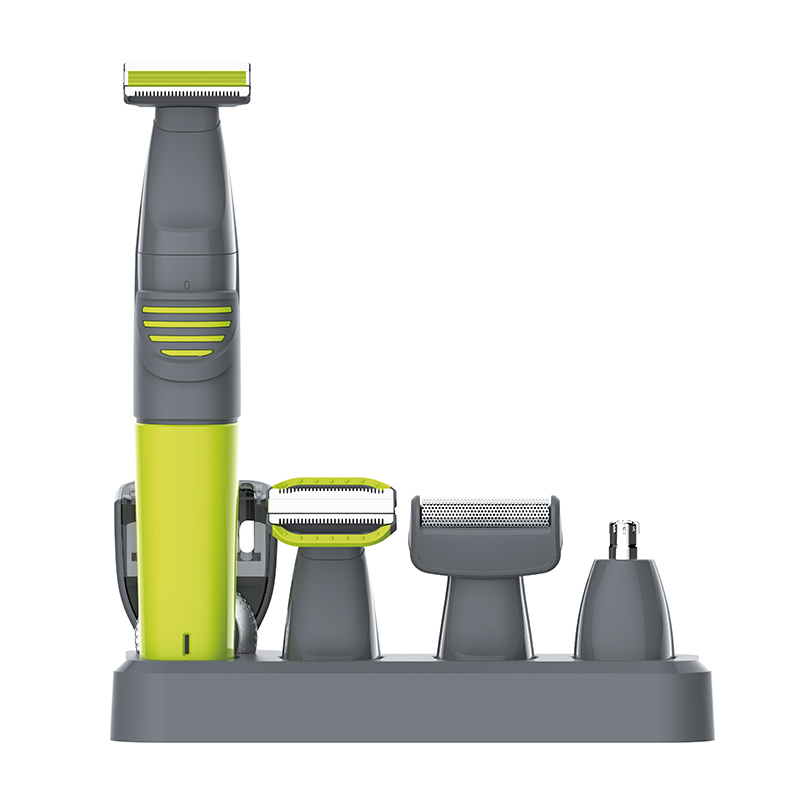
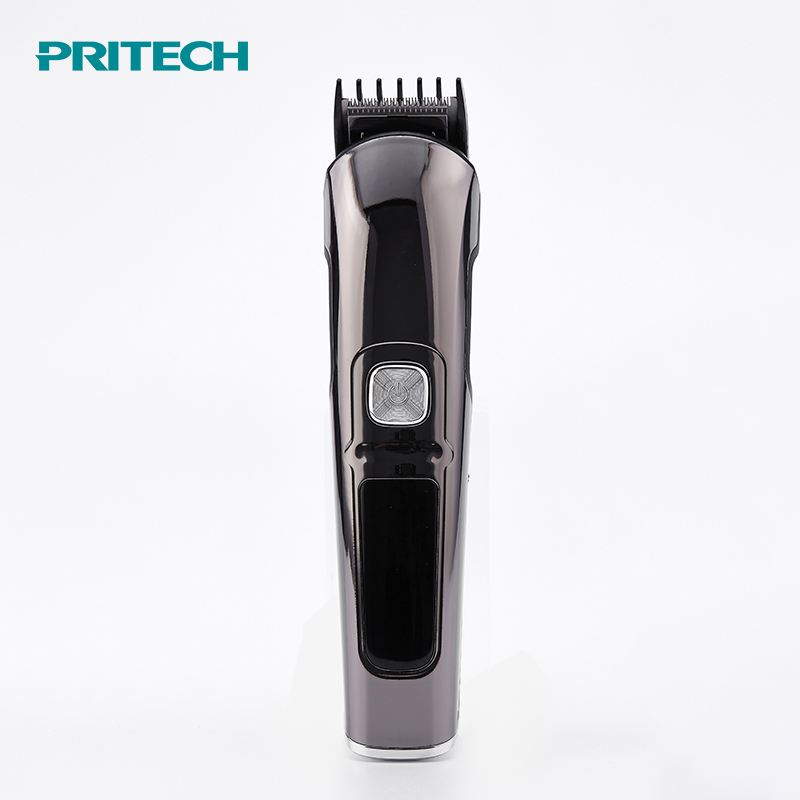
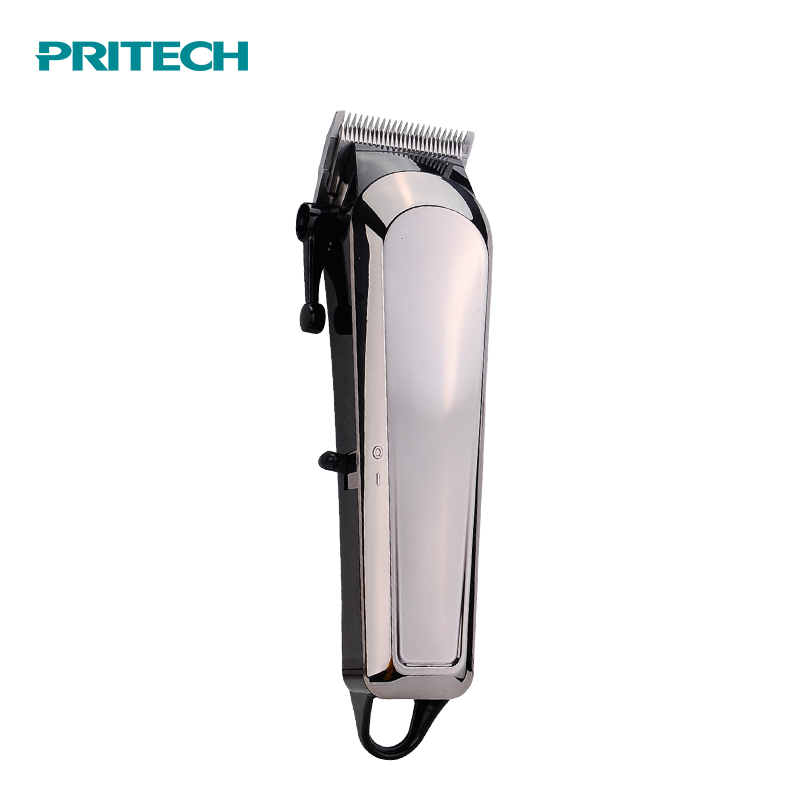
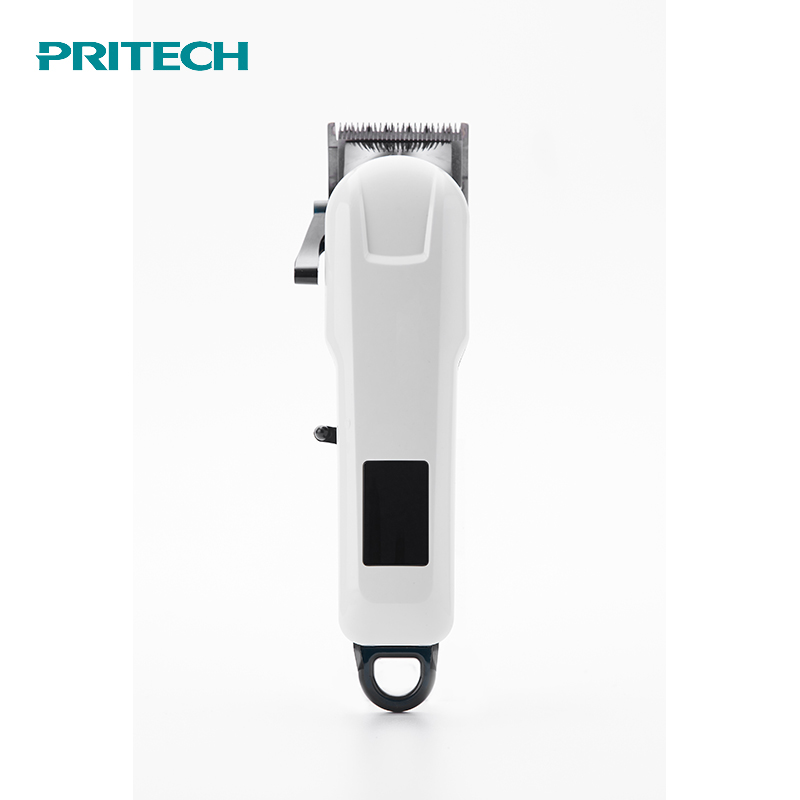
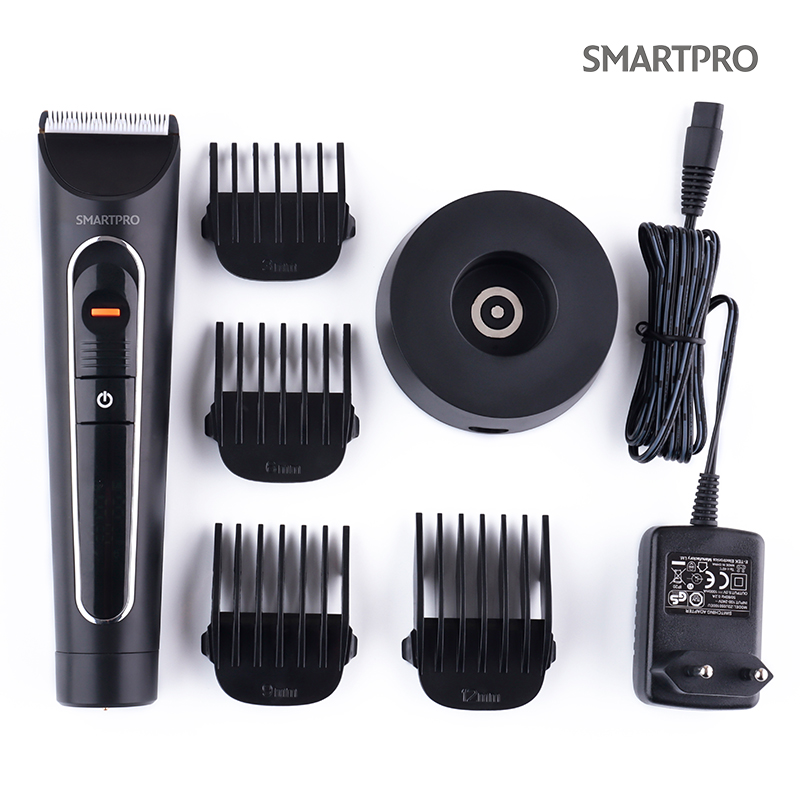
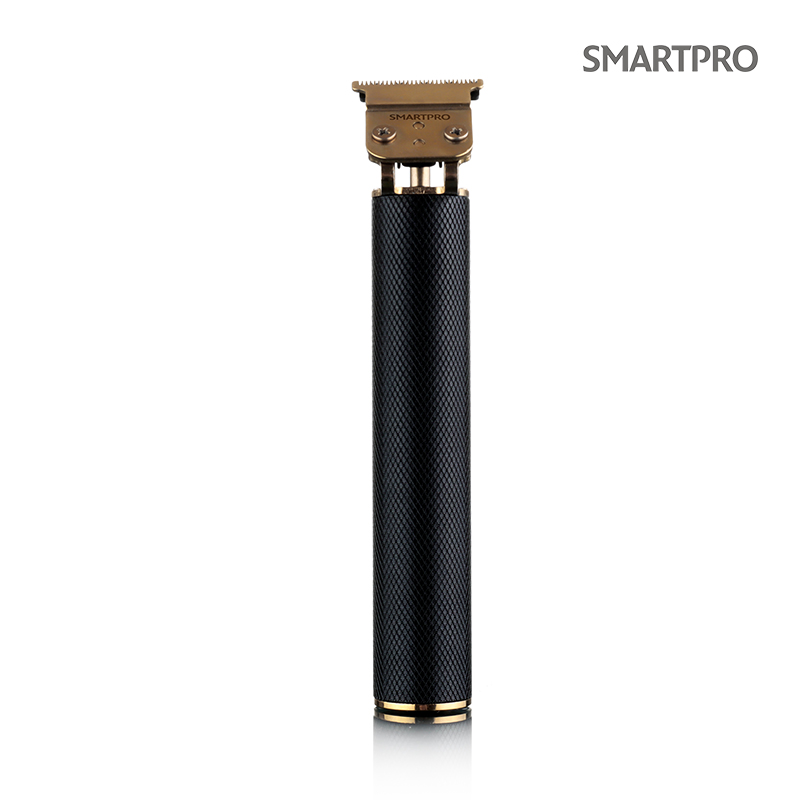
Hair Trimmers & Clippers
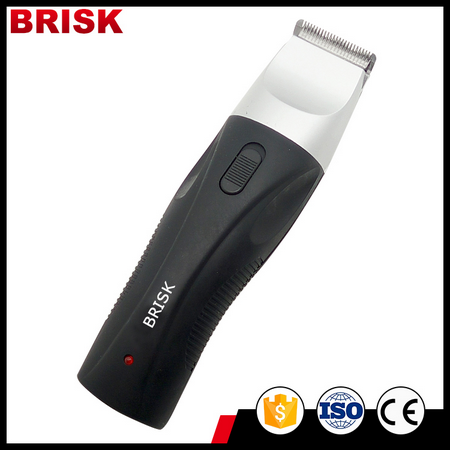
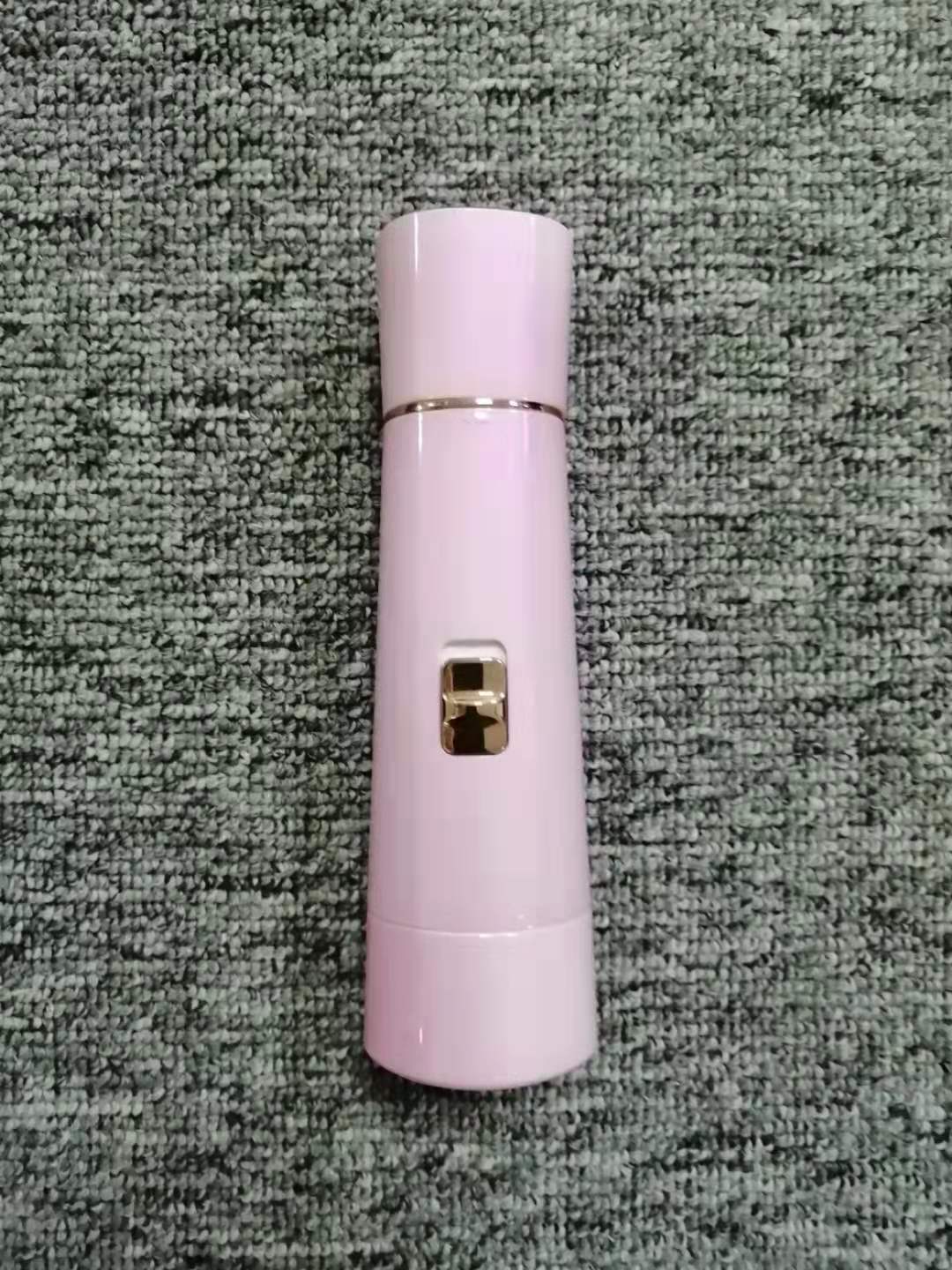
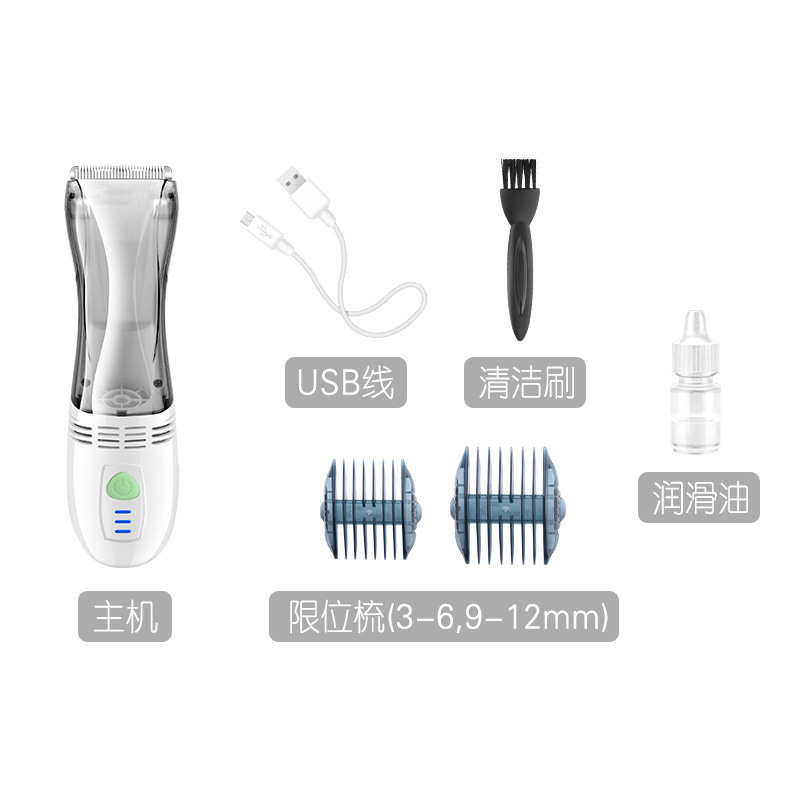
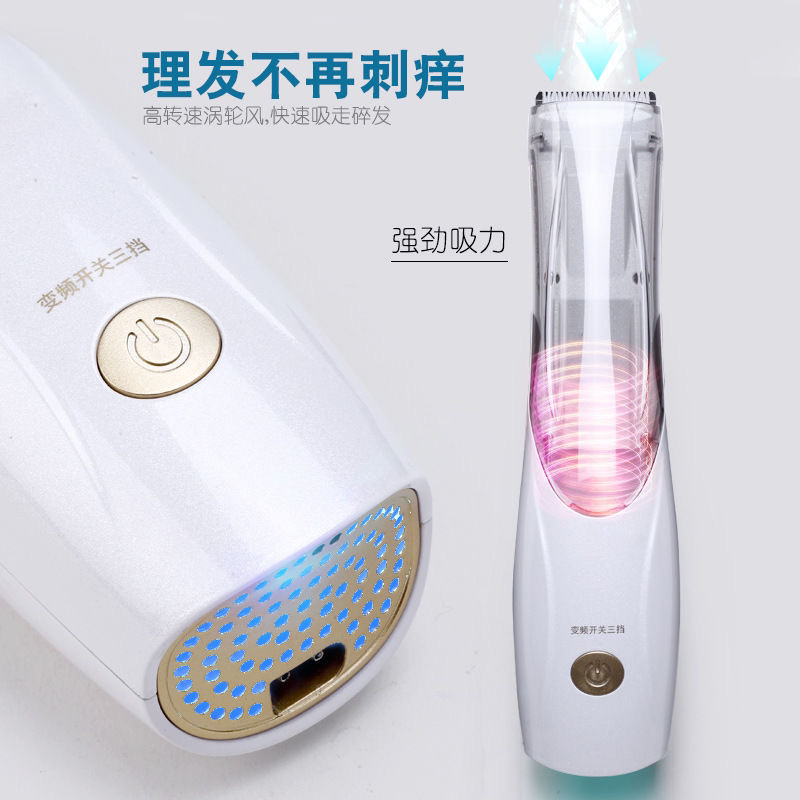
Source professional-grade hair trimmers and clippers from vetted suppliers and manufacturers across China and Asia. Designed for importers, wholesalers, distributors, and brands seeking reliable OEM/ODM production, this catalog connects you with high-volume manufacturing partners for high-performance personal care appliances.
Sourcing hair trimmers and clippers at scale requires balancing unit cost with critical performance metrics: motor lifespan, blade sharpness retention, and battery stability. When importing in bulk, the difference between a high-return liability and a profitable flagship product lies entirely in the factory's component selection and assembly precision. Navigating the manufacturing landscape in hubs like Ningbo, Wenzhou, and Guangzhou demands a rigorous approach to technical specifications and quality control.
Critical Component Specifications
The core performance of any clipper or trimmer is dictated by three primary components: the motor, the blade assembly, and the power delivery system. Specifying these clearly in your Bill of Materials (BOM) is essential before production begins.
Motor Technologies
Factories typically offer three distinct motor architectures, each suited to different end-user applications.
| Motor Type | Performance Characteristics | Typical Application |
|---|---|---|
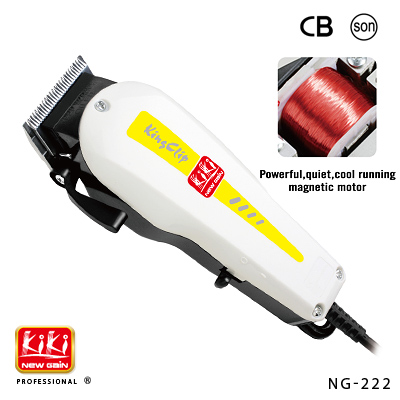
| Magnetic | High blade speed, lower cutting force, fewer moving parts. | Lightweight, high-volume consumer trimmers. |
| Pivot | Lower blade speed, high cutting force, durable. | Professional use for thick or wet hair. |
| Rotary (Brushed) | Versatile speed/power balance, moderate lifespan. | Mid-tier consumer and professional clippers. |
| Rotary (Brushless) | High torque, long lifespan, low heat generation. | Premium professional-grade equipment. |
Blade Materials and Geometry
The fixed and moving blades dictate the cutting experience. Standard production uses 420J2 or 440C stainless steel. For premium lines, factories can implement ceramic moving blades (which reduce friction and operate at lower temperatures) or apply titanium PVD coatings to steel to increase surface hardness and corrosion resistance. You must specify the Rockwell Hardness (HRC) required; premium blades should test at HRC 60 or higher.
Struggling to verify component quality before placing a bulk order? Our engineers on the ground can audit factory bills of materials to ensure you get exactly what you specify.
Talk to our teamManufacturing Tolerances and Quality Control
In mass production, consistent performance relies on strict assembly tolerances. Poor alignment between the motor eccentric drive and the moving blade causes excessive vibration, noise, and premature wear.
When evaluating a manufacturer, it is highly recommended to conduct thorough Factory Audits to assess their assembly line procedures, particularly their motor testing and blade alignment stations.
In-Line Inspection Priorities
- Blade Alignment: Verify parallel alignment between fixed and moving blades (tolerances typically under 0.1mm).
- Noise and Vibration: Acoustic testing in a soundproof chamber (professional models should operate under 60 dB).
- Heat Dissipation: Continuous run testing to ensure the casing and blades do not exceed safe temperature thresholds after 30 minutes of operation.
- Battery Integration: Verification of spot-welding on Li-ion battery tabs to prevent power drops.
Implementing rigorous Quality Control & Inspection prior to shipment is the only way to catch alignment or battery defects before they become costly returns in your destination market.
Compliance and Market Certifications
Electronic personal care appliances face strict regulatory scrutiny. Depending on your target market, you must ensure the factory can provide valid, verifiable test reports for the specific components used in your production run.
- North America: UL or ETL certification for the charging adapter, FCC Part 15 for electromagnetic interference.
- Europe: CE (LVD and EMC directives), RoHS compliance for hazardous substances, and REACH.
- Batteries: UN38.3 and MSDS documentation are mandatory for the shipping and freight of any lithium-ion equipped trimmers.
Partnering with a sourcing team that manages Compliance & Testing ensures your products clear customs without delays and meet all retail compliance standards.
Production Realities: MOQ, Pricing, and Lead Times
Understanding the operational norms of Chinese personal care appliance manufacturers helps in negotiating realistic contracts.
Pricing Drivers
Unit costs fluctuate based on battery capacity (e.g., upgrading from a 1200mAh to a 2500mAh 18650 Li-ion cell), motor type, and packaging complexity. For brands looking to develop unique products, leveraging OEM/ODM Services allows you to amortize the cost of custom injection molds over larger production runs, creating a defensible product distinct from off-the-shelf factory molds.
Need to hit a specific target price without compromising on motor durability? We negotiate directly with specialized personal care appliance manufacturers to optimize your unit economics.
Get a free consultationFrequently Asked Questions
Success in the personal care appliance market comes down to consistent manufacturing. A rigorous approach to component sourcing, factory vetting, and in-line inspection is non-negotiable for brands that want to build long-term reputation and profitability.
Get Sourcing Help for Hair Trimmers & Clippers
Tell us your requirements and our experts will connect you with verified manufacturers.