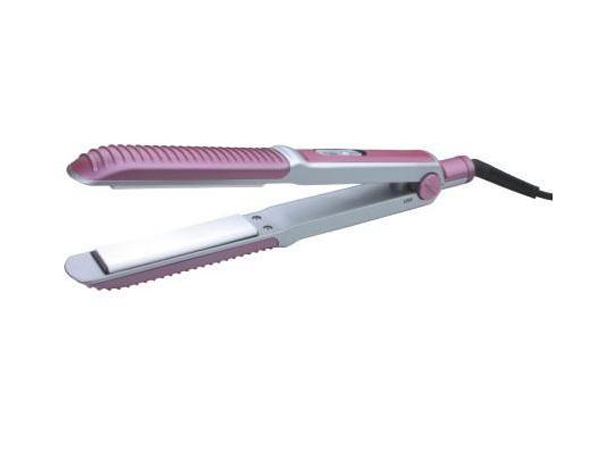
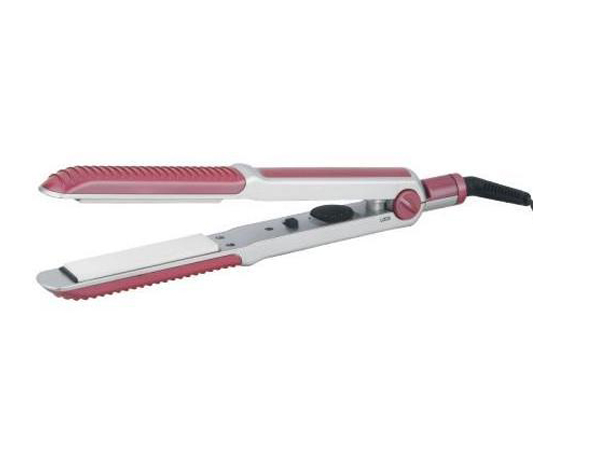
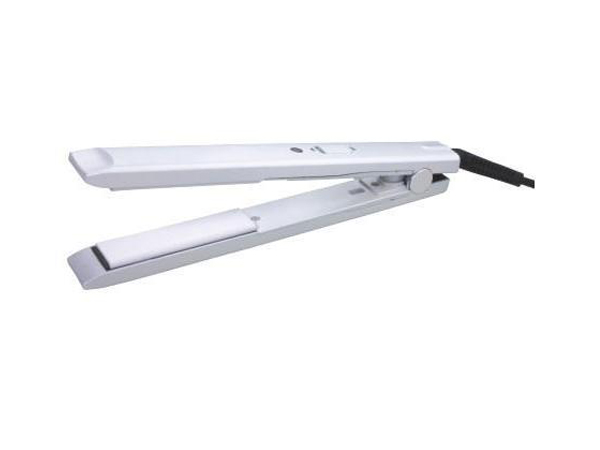
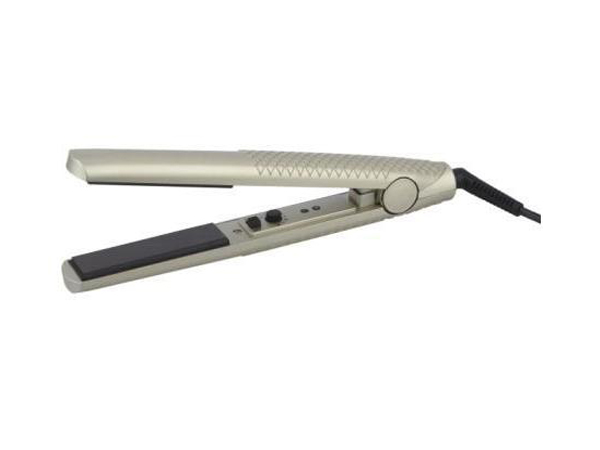
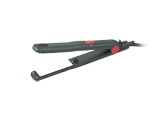
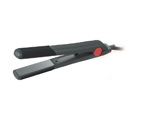
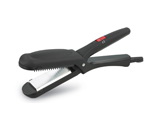
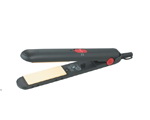
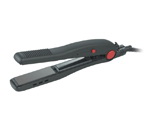
Hair Straighteners
Source premium hair straighteners in bulk directly from vetted manufacturers and suppliers. Designed for importers, wholesalers, distributors, and brands seeking reliable OEM and private-label production, our network delivers consistent quality, certified safety, and scalable manufacturing for professional and consumer styling appliances.
Sourcing hair straighteners in volume requires a strict balance between rapid thermal performance, consistent temperature control, and rigorous electrical safety standards. The difference between a premium salon-grade styling tool and a high-return liability lies entirely in the engineering of the heating elements, the calibration of the thermostats, and the precision of the plate assembly.
Defining Core Specifications: Plates and Heating Elements
The defining characteristics of any flat iron are its plate material and its internal heater. Specifying the right combination dictates the product's market positioning, manufacturing cost, and styling performance.
Plate Materials
Plate composition affects heat distribution, glide friction, and durability. Most modern straighteners utilize an aluminum base coated with either ceramic, titanium, or a tourmaline infusion.
| Material | Thermal Conductivity | Durability | Target Market |
|---|---|---|---|
| Ceramic Coating | Moderate, even distribution | Prone to chipping over time | Consumer / Entry-level professional |
| Solid Titanium | Extremely fast, high heat | Highly scratch resistant | Professional salon / Thick hair |
| Tourmaline Infused | High negative ion output | Similar to standard ceramic | Premium consumer / Frizz-control |
Heating Technologies: PTC vs. MCH
The internal heating element is the engine of the straightener.
- PTC (Positive Temperature Coefficient): The industry standard for consumer models. PTC heaters are durable and cost-effective, but they take slightly longer to reach maximum temperature and can experience minor heat recovery delays during use.
- MCH (Metal Ceramic Heater): Used in premium and professional models. MCH components offer near-instant heat-up times and superior thermal recovery, ensuring the plates maintain a constant temperature even as they pass through thick, damp hair.
Need help matching component specifications to your target price point? Let's discuss your product requirements.
Talk to our teamManufacturing Quality Control and Assembly
The assembly of hair styling appliances is highly manual, making rigorous oversight essential. Misaligned plates are a primary cause of consumer complaints, as they lead to hair snagging and uneven styling. Furthermore, faulty wiring in the swivel cord—a high-stress failure point—can result in electrical shorts.
When managing OEM/ODM Services for hair straighteners, factory-level quality control must focus on mechanical tolerances and electrical integrity.
Critical QC Checks for Hair Straighteners
- Plate Alignment: Zero-gap tolerance check to ensure plates meet flush without excessive handle pressure.
- Thermal Calibration: Verifying the actual plate temperature matches the digital display or dial setting across multiple heat cycles.
- Cord Rotation Testing: Mechanical stress testing of the 360-degree swivel cord to prevent internal wire fraying.
- Dielectric Withstand (Hi-Pot) Testing: Ensuring insulation integrity to prevent electric shock hazards.
- Drop Testing: Verifying the structural integrity of the plastic housing (typically PET or PPS) under impact.
Implementing comprehensive Quality Control & Inspection protocols before shipment is the only reliable way to catch thermal calibration errors or housing defects before they reach your warehouse.
Electrical Compliance and Safety Standards
Hair straighteners are high-wattage devices that operate in close proximity to water and human skin. Regulatory compliance is non-negotiable. Customs authorities will seize non-compliant electrical shipments, and marketplaces require proof of certification.
Market-Specific Certifications
Depending on your import destination, your manufacturer must be able to provide valid test reports for specific standards. For the US market, UL 859 (Standard for Household Electric Personal Grooming Appliances) or ETL certification is standard. For the EU, CE marking (LVD and EMC directives) and RoHS compliance are mandatory.
Not all factories have the engineering capability to pass these tests, and some will use outdated or falsified certificates. Partnering with a sourcing team that manages Compliance & Testing ensures your products meet all regional regulatory requirements through verified, independent lab testing.
Sourcing Mechanics: MOQs, Pricing, and Lead Times
Understanding the operational realities of personal care appliance manufacturing helps in planning your supply chain. Pricing fluctuates based on the choice of heating element (MCH adds significant cost over PTC), plate materials, and the complexity of the digital display.
Factories specializing in high-end salon equipment operate differently than those churning out budget consumer electronics. Conducting thorough Factory Audits is crucial to verify a supplier's production capacity, their defect rates, and their experience with your specific quality tier.
Ready to scale your personal care brand? We can help you identify and audit the right manufacturing partners.
Get a free consultationFrequently Asked Questions
Successfully importing hair straighteners requires looking past cosmetic designs and focusing heavily on internal engineering, thermal consistency, and strict regulatory compliance. Aligning with a manufacturing partner capable of meeting these technical demands protects your brand and your bottom line.
Get Sourcing Help for Hair Straighteners
Tell us your requirements and our experts will connect you with verified manufacturers.