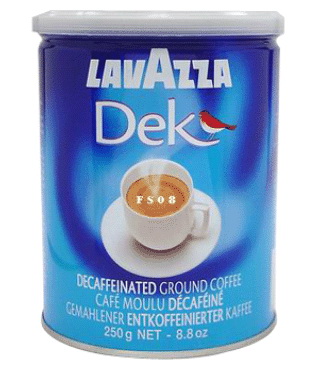
Ground Coffee
Source premium wholesale ground coffee from vetted international suppliers and manufacturers. Designed for importers, distributors, and beverage brands seeking reliable bulk supply or custom private-label OEM production. Secure competitive pricing, consistent roast profiles, and strict quality control for your next high-volume order.
Sourcing ground coffee at scale requires balancing roast consistency, precise particle size distribution, and aggressive oxidation management. For bulk buyers and private-label brands, the challenge is not just finding a high-quality bean, but ensuring the manufacturing facility can replicate your exact profile, manage degassing protocols, and seal the product securely across thousands of units.
Defining Technical Specifications
Ground coffee specifications must go far beyond generic descriptors like "dark roast" or "fine grind." Commercial buyers must define exact technical parameters in their purchase orders to ensure batch-to-batch uniformity and prevent miscommunications with the factory.
- Roast Profile (Agtron Scale): Do not rely on visual descriptions. Specify the exact Agtron number (a spectrophotometer reading of the coffee's color). For example, a commercial medium roast typically falls between 45 and 55 on the Agtron scale.
- Particle Size Distribution: Grind size is measured in microns. A tight particle size distribution is critical for extraction consistency. Specify the target micron range and the acceptable variance (e.g., 90 percent of particles must fall within the specified range).
- Moisture Content: Post-roast moisture levels should be strictly controlled, typically staying under 5 percent, to prevent microbial growth and rapid staling during transit.
| Grind Classification | Typical Micron Range | Primary Commercial Application |
|---|---|---|
| Extra Fine (Turkish) | 100 - 300 microns | Ibrik, specialized instant extraction |
| Fine (Espresso) | 300 - 500 microns | Espresso pods, commercial espresso |
| Medium (Drip) | 500 - 800 microns | Standard retail bags, filter coffee |
| Coarse | 800 - 1200 microns | Cold brew processing, French press |
Manufacturing Process and Quality Control
The grinding process itself is where many suppliers fail. Grinding generates friction and heat, which can volatilize delicate flavor compounds and oils if the factory uses inadequate equipment. Commercial-scale suppliers should utilize water-cooled industrial roller mills rather than blade grinders, as roller mills produce a much tighter particle size distribution and minimize thermal damage to the beans.
Implementing rigorous quality control and inspection protocols during production is essential.
Critical Factory Floor Checks for Ground Coffee
- Verify grinding equipment temperatures to ensure beans are not scorched during milling.
- Test particle size distribution using laser diffraction or standardized sieves.
- Check degassing resting times; coffee must off-gas CO2 before final sealing.
- Inspect one-way degassing valve placement and thermal seal integrity on packaging.
- Measure residual oxygen levels immediately after nitrogen flushing.
Struggling with inconsistent grind profiles or rapid flavor degradation? Let us help you vet capable roasters and secure airtight supply chains.
Talk to our teamPackaging and OEM/Private Labeling
Ground coffee degrades exponentially faster than whole bean coffee when exposed to oxygen, moisture, and light. If you are developing a retail brand, your OEM/ODM production partner must utilize advanced packaging technology.
Modified Atmosphere Packaging (MAP) is standard for high-quality ground coffee. The factory must use nitrogen flushing to displace ambient oxygen in the bag. You should mandate a residual oxygen level of less than 2 percent in your technical specifications. Furthermore, packaging films must include high-barrier layers (such as aluminum foil or metalized PET) to block UV light and oxygen ingress.
Before shipping, ensure your packaging materials and finished products undergo proper compliance and testing to meet the food safety regulations of your destination market (such as FDA or EFSA standards).
Buying Mechanics: MOQs, Lead Times, and Pricing
Pricing for ground coffee is highly volatile, tied directly to the C-market commodity price for Arabica or Robusta, plus the factory's toll-roasting and packaging fees.
When negotiating, clarify whether the quoted price includes the raw green coffee or if it is strictly a toll-processing fee (where you supply the green beans and the factory roasts, grinds, and packages). Toll processing offers more control over raw material costs but requires more complex supply chain coordination.
Need to negotiate better MOQs or align production schedules across multiple origins? Our sourcing experts can structure a procurement plan that fits your volume.
Get a free consultationFrequently Asked Questions
Successfully sourcing ground coffee in bulk relies entirely on the manufacturer's ability to control variables: mitigating heat during the grind, mastering particle distribution, and executing flawless nitrogen-flushed packaging. Securing a supplier who treats these technical parameters as strict requirements rather than loose guidelines is the key to a profitable and scalable coffee program.
Get Sourcing Help for Ground Coffee
Tell us your requirements and our experts will connect you with verified manufacturers.